

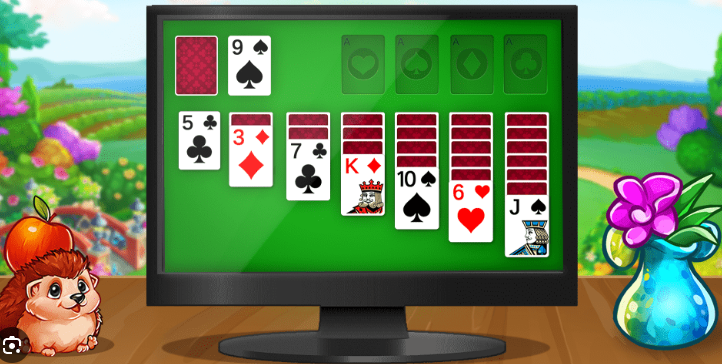
The solitaire game has journeyed from a simple deck of cards to the digital screens of modern devices, becoming one of the most enduring pastimes across generations. What began as a quiet table game in the 18th century has evolved into a symbol of both nostalgia and innovation. Today, millions of players across the globe engage in digital versions of the solitaire game daily on computers, smartphones, and tablets. The transformation from physical cards to interactive pixels showcases how timeless entertainment can adapt and thrive in the age of technology.
The evolution of the solitaire game is not just a story of technological advancement but also of human connection to strategy, patience, and mindfulness. Its persistence through changing eras and platforms demonstrates the universal appeal of simplicity blended with mental engagement. Whether played to relax, focus, or challenge the mind, solitaire remains as relevant today as it was centuries ago.
The Origins of the Solitaire Game
The solitaire game traces its origins to Northern Europe, where it was first enjoyed as a form of solo entertainment among aristocrats. Unlike other card games that required multiple players, solitaire allowed individuals to engage in thoughtful recreation alone. The concept of arranging cards into ordered sequences fascinated early players because it combined luck and logic.
By the 19th century, the solitaire game had spread widely through Europe, eventually finding its way into North American households. Printed card decks became more accessible, allowing the game to flourish among people of all social backgrounds. It became a way to pass the time, test patience, and exercise problem-solving skills in a calm, structured environment.
Long before digital screens, the solitaire game was cherished for its quiet rhythm. Players found satisfaction in the deliberate process of flipping and stacking cards, creating patterns that symbolized both order and accomplishment. Each completed sequence felt like a small victory, reinforcing the game’s meditative and rewarding nature.
As technology began to shape entertainment in the 20th century, it was only a matter of time before solitaire made its leap from paper to digital form. The solitaire game was destined to transcend its physical boundaries and find new life in the world of computing.
The Digital Revolution: Solitaire in the Age of Computers
The arrival of personal computers in the late 20th century brought a major turning point for the solitaire game. What had once required a deck of cards could now be played on a glowing screen with a mouse click. In 1990, Microsoft introduced Solitaire as a built-in feature for Windows 3.0, and this single decision changed the course of casual gaming forever.
The digital version of the solitaire game served more than just entertainment purposes it was also designed to teach users how to use a computer mouse. Yet what developers didn’t anticipate was how addictive and beloved the game would become. Within years, solitaire became one of the most-played games in the world, offering comfort, relaxation, and mental focus to millions of office workers, students, and casual gamers.
The computer version replicated the familiar mechanics of the physical game but added convenience. No shuffling or dealing was needed; the cards appeared instantly, ready for play. The digital environment introduced features like undo options, score tracking, and visual effects that made the solitaire game more engaging. Players could play multiple rounds without setup, making it a quick escape between tasks or a mental exercise during breaks.
As technology advanced, so did solitaire. Updated operating systems introduced variations such as Spider Solitaire, FreeCell, and Pyramid, each offering new challenges while keeping the core experience intact. The solitaire game evolved visually too, with smoother animations, customizable card designs, and ambient sound effects that enhanced the soothing rhythm of play.
By the early 2000s, solitaire was no longer confined to desktop computers. Mobile phones and handheld devices made the game even more accessible. The solitaire game became a companion during commutes, travel, and quiet moments at home. What began as a teaching tool for computer skills had turned into one of the most recognizable digital games on the planet.
Solitaire Game in the Modern Era: Apps, Innovation, and Community
The rise of smartphones and gaming apps pushed the solitaire game into a new era of innovation. Developers began to experiment with designs, challenges, and user experiences to attract modern players. Today’s solitaire apps are more than just recreations of the classic game they include customizable themes, daily challenges, achievements, and global leaderboards. Players can track their progress, compete for rankings, or simply enjoy peaceful gameplay at their own pace.
The modern solitaire game benefits from advanced graphics, smooth animations, and intuitive interfaces. Some versions feature relaxing music, scenic backgrounds, and visual themes inspired by nature, space, or art. These enhancements amplify the calming aspect of the game, making it an appealing choice for players seeking stress relief in a digital environment.
Technology has also introduced a social dimension to solitaire. Online versions now allow players to connect with others worldwide through shared leaderboards and competitions. Even though solitaire has always been a solo experience, these digital communities provide a sense of belonging and friendly competition.
Artificial intelligence has further transformed the solitaire game experience. Smart hints, predictive suggestions, and performance analytics help players improve their strategies. These features preserve the challenge while reducing frustration, ensuring the game remains enjoyable and accessible to everyone from casual players to dedicated enthusiasts.
Another significant advancement is cross-platform play. Whether you start a solitaire session on your computer and continue it on your smartphone, modern technology keeps your progress synced. This seamless experience makes solitaire more adaptable to today’s on-the-go lifestyle, allowing moments of mental clarity wherever and whenever needed.
The Enduring Appeal of Solitaire in a Digital World
Even as new genres of video games dominate the market, the solitaire game continues to maintain its quiet dominance. Its timeless appeal lies in its simplicity a game that requires no internet connection, no team coordination, and no pressure. It’s just the player, the cards, and the challenge of bringing order to chaos.
In a fast-paced digital culture, the solitaire game offers balance. It encourages slow thinking and calm focus in contrast to the rapid stimuli of social media and multiplayer gaming. Each move requires mindfulness, patience, and strategy, allowing players to disconnect from external noise and reconnect with their inner rhythm.
Solitaire has also become a symbol of nostalgia. For many, the first computer game they ever played was solitaire. It evokes memories of simpler times of waiting for a dial-up connection, of early office computers, and of the quiet joy that came from seeing the winning cascade of cards bounce across the screen. Yet, despite its age, the solitaire game continues to evolve with modern trends, ensuring its relevance for future generations.
From paper decks to glowing screens, solitaire has embraced every era of technology without losing its soul. It remains a rare example of a game that adapts without compromise, preserving its original charm while embracing innovation. Whether played to unwind after a long day or to sharpen the mind during a break, the solitaire game continues to bridge the gap between tradition and technology one thoughtful move at a time.
