

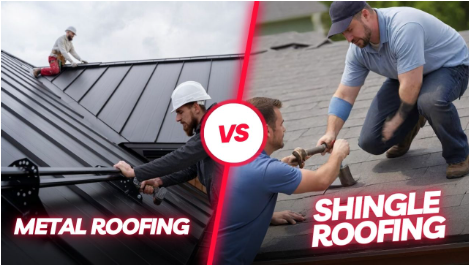
Choosing the right roofing system is one of the most important decisions when constructing or renovating your home. Metal roofing and shingles are two of the most popular options in the market, each offering unique benefits. The decision can impact your home’s durability, energy efficiency, aesthetics, and long-term costs. This comprehensive guide will help you understand the differences between metal roofing and shingles to select the best option for your home like an expert.
When deciding between metal roofing and shingles, it’s crucial to consider the climate and specific needs of your home. Metal roofs offer durability and energy efficiency, making them ideal for areas with extreme weather conditions. On the other hand, shingles provide a classic look and are often more cost-effective upfront. If you’re in the St. Louis area and need expert advice on which option suits your home best, consider this St. Louis roofer for professional guidance and quality installation. Their expertise can help ensure that your roofing choice not only enhances your home’s aesthetic but also provides long-lasting protection.
1. Understanding Metal Roofing and Shingles
What is Metal Roofing?
Metal roofing systems are made from durable materials such as steel, aluminum, zinc, or copper. These roofs are highly popular due to their strength, longevity, and modern aesthetics. Metal roofing is commonly used in both residential and commercial buildings. They come in different forms, including:
- Standing Seam Panels: Sleek vertical panels that offer a modern look.
- Corrugated Metal Sheets: Often used in industrial and rustic-style homes.
- Metal Shingles: Designed to replicate traditional shingles but with metal’s durability.
One of the key advantages of metal roofing is its ability to withstand extreme weather conditions without deteriorating quickly.
What are Asphalt Shingles?
Asphalt shingles are the most commonly used roofing materials in North America. They are composed of either fiberglass or organic mats coated with asphalt and topped with mineral granules. Asphalt shingles are available in three main styles:
- Three-Tab Shingles: The most affordable option with a flat, uniform appearance.
- Architectural Shingles: Thicker, more durable shingles with a dimensional look.
- Luxury Shingles: Premium shingles that replicate slate or wood aesthetics.
Asphalt shingles are widely used due to their low initial cost, easy installation, and availability through asphalt roofing services.
Key Differences Between Metal Roofing and Shingles
- Material Composition: Metal vs. Asphalt
- Lifespan: Metal lasts longer than asphalt.
- Cost: Metal is more expensive upfront, but asphalt is more affordable initially.
- Environmental Impact: Metal is recyclable, while shingles contribute to landfill waste.
- Energy Efficiency: Metal reflects heat, while asphalt absorbs it.
2. Durability & Lifespan Comparison
How Long Does Metal Roofing Last?
Metal roofs have an impressive lifespan of 40 to 70 years or even more with proper maintenance. They are highly resistant to harsh weather, including heavy rain, snow, and hail. Metal roofs also offer excellent fire resistance and can withstand wind speeds up to 140 mph.
Lifespan of Asphalt Shingles
Asphalt shingles typically last between 15 to 30 years, depending on the quality and weather conditions. They are more vulnerable to wind, moisture, and UV damage, which can shorten their lifespan.
Which One is More Durable?
Metal roofing is significantly more durable than asphalt shingles. Its resistance to fire, extreme weather, and pests makes it a better long-term option.
3. Cost Analysis
Initial Installation Cost
The installation cost of metal roofing is higher than asphalt shingles. Approximate costs are:
- Metal Roofing: $8 to $16 per square foot
- Asphalt Shingles: $3 to $5 per square foot
Long-Term Cost & Maintenance
While asphalt shingles have a lower initial cost, they require frequent repairs and replacements. Metal roofs, on the other hand, require minimal maintenance, making them more cost-effective over their lifespan.
Which is More Cost-Effective?
For homeowners planning to stay in their home for many years, metal roofing offers better long-term value despite its higher upfront cost.
4. Aesthetic Appeal & Design Options
Design Choices in Metal Roofing
Metal roofs come in a wide variety of designs, including custom colors, textures, and panel styles. They can replicate slate, tile, or wood shingles while offering superior performance. The sleek appearance of metal roofing complements modern and minimalist architecture.
Variety of Shingle Styles
Asphalt shingles offer more traditional aesthetic appeal. They come in various colors, textures, and shapes, making them ideal for classic and suburban homes. Architectural and luxury shingles provide added dimension and curb appeal.
Which Roof Style Fits Your Home?
- Modern Homes: Metal Roofing
- Traditional Homes: Asphalt Shingles
- Rustic or Farmhouse Style: Metal Roofing or Architectural Shingles
5. Energy Efficiency & Environmental Impact
Metal Roofing for Energy Efficiency
Metal roofs reflect solar heat, reducing cooling costs by up to 25% during hot seasons. They can also be coated with reflective pigments to enhance energy efficiency further.
Are Shingles Eco-Friendly?
Asphalt shingles are not as eco-friendly. They absorb heat, making homes warmer in summer, and contribute to landfill waste once they are replaced.
Which Option is Better for the Environment?
Metal roofing is the better environmental option due to its recyclability and energy-saving properties.
6. Installation Process & Maintenance
How Metal Roofs are Installed
Metal roofs require professional installation due to their specialized panels and fastening systems. The installation process involves:
- Measuring and cutting panels
- Attaching underlayment
- Installing panels with hidden fasteners
Shingle Roof Installation Steps
Shingles are easier to install and can be done by most roofing contractors. The process involves:
- Laying down roofing felt
- Nailing shingles in overlapping rows
- Sealing the shingles with roofing cement
Maintenance Requirements for Both Roof Types
- Metal Roofing: Occasional inspections and minor cleaning
- Asphalt Shingles: Regular inspections, replacement of damaged shingles, and moss removal
7. Pros and Cons Summary Table
| Feature | Metal Roofing | Asphalt Shingles |
| Lifespan | 40-70 years | 15-30 years |
| Initial Cost | High | Low |
| Durability | Excellent | Moderate |
| Energy Efficiency | High | Low |
| Maintenance | Low | High |
8. Which Roofing System is Best for Your Home?
Factors to Consider
- Budget: Metal roofing is better for long-term investment, while shingles are affordable upfront.
- Climate: Metal roofing performs better in hot, windy, or snowy areas.
- Aesthetics: Choose based on your home’s style.
- Environmental Impact: Metal roofing is more eco-friendly.
9. Noise Level Comparison
How Metal Roofs Handle Noise
Metal roofs can be noisy during heavy rain or hail if not installed with proper insulation. However, adding soundproof underlayment or attic insulation can significantly reduce noise levels.
Shingle Roofs and Noise Insulation
Asphalt shingles naturally offer better noise insulation due to their thicker, softer material. They tend to be quieter without needing extra insulation.
10. Fire Resistance Ratings
Fireproof Properties of Metal Roofing
Metal roofs are highly fire-resistant and often come with a Class A fire rating, making them one of the safest options in fire-prone areas.
How Asphalt Shingles Perform in Fire-Prone Areas
Fiberglass asphalt shingles also have Class A fire ratings, but organic-based shingles may have lower resistance.
11. Climate Suitability
Best Roofing Options for Humid Climates
Metal roofs perform better in humid areas as they resist mold, mildew, and rot.
Performance in Snowy Regions
Metal roofs shed snow more easily, preventing ice dams and leaks.
Impact of UV Rays
Metal roofs reflect UV rays, keeping homes cooler, while shingles absorb heat, making homes warmer in hot climates.
12. Conclusion
Both metal roofing and asphalt shingles have their unique advantages. If you prioritize longevity, energy efficiency, and durability, metal roofing is the best choice. However, if affordability and a classic appearance are your priorities, asphalt shingles are an excellent option.
FAQs
- Which roof is easier to install?
Asphalt shingles are easier and faster to install.
- Do metal roofs rust over time?
Modern metal roofs come with protective coatings to prevent rust.
- Which roof type is better for hot climates?
Metal roofs are better as they reflect heat.
- Are metal roofs noisy during rain?
With proper insulation, metal roofs are not significantly noisier than shingles.
- Which option has better resale value?
Metal roofs often increase property value due to their durability and energy efficiency.
