

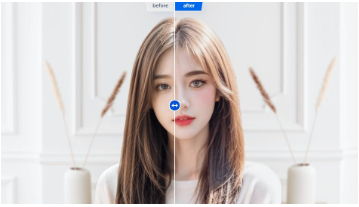
The integration of augmented reality (AR) is revolutionizing the beauty industry, bringing about unique and interactive customer experiences. AR technology allows users to test and experiment with various beauty products in real time, thanks to virtual try-ons and personalized solutions. These innovations go beyond mere convenience, combining technology and beauty in ways that were previously unimaginable. This blog delves into the fantastic future of beauty that AR is paving.
The Rise of Augmented Reality in the Beauty Industry
AR is reshaping how we perceive and interact with beauty products. The beauty industry’s customer base is ever more tech-savvy, seeking novel and engaging ways to explore cosmetic options.
Virtual Makeup Try-Ons: Enhancing Customer Experience
Virtual makeup try-ons have taken the beauty industry by storm, allowing users to experiment with various makeup products without ever touching a single item. Through AR technology, brands offer apps and tools where customers can see how different shades of lipstick, eyeshadow, foundation, and blush look on their own faces in real time. Not only does this help customers save time, but it also offers a risk-free way to experiment with bold styles and colors they might not try in a store. Virtual try-ons make beauty shopping fun, interactive, and personalized—customers can try countless looks without leaving the comfort of their homes.
Personalized Skincare Solutions Through AR
AR also plays a vital role in skincare, offering personalized recommendations based on individual skin types and concerns. Using high-resolution imaging, AR solutions analyze users’ skin to recommend products tailored to their needs. Whether it’s addressing acne, fine lines, or dry skin, AR-driven platforms suggest suitable skincare products and routines. The integration of AI further enhances the precision of these suggestions, adapting over time based on user feedback and changes in skin conditions. As the technology advances, we can expect skincare solutions to become even more customized, offering an entirely personalized beauty experience.
Transforming Retail: AR’s Impact on In-Store and Online Shopping
Retail experiences are being transformed by AR, bridging the gap between in-store and online shopping.
AR Mirrors: Revolutionizing In-Store Experiences
In retail stores, AR mirrors are becoming a game-changer. These mirrors allow customers to virtually try on makeup and skincare products without having to physically apply anything. Customers can experiment with different lipstick shades, eyeshadow, and even entire makeup looks in real-time. AR mirrors add an element of fun to the shopping experience, encouraging customers to explore new products and find their perfect match. They also offer a cleaner and more hygienic way to test products, reducing the need for physical testers. This enhances the overall shopping experience, creating a more interactive and engaging store environment.
Virtual Beauty Advisors: Enhancing Online Engagement
AR isn’t just changing the in-store experience; it’s also transforming online shopping. Virtual beauty advisors powered by AR guide consumers through their shopping journey, offering product suggestions and personalized recommendations in real-time. Much like a human beauty advisor would, these virtual assistants help users choose the right products based on their preferences, skin type, and desired look. This creates a more engaging and supportive online shopping experience, giving customers confidence in their purchasing decisions. With virtual beauty advisors, consumers no longer feel like they’re shopping alone—they have a knowledgeable, interactive assistant guiding them every step of the way.
Case Studies: Beauty Brands Leading with AR Integration
Some beauty brands are at the forefront of integrating AR into their products and services, setting new standards for the industry.
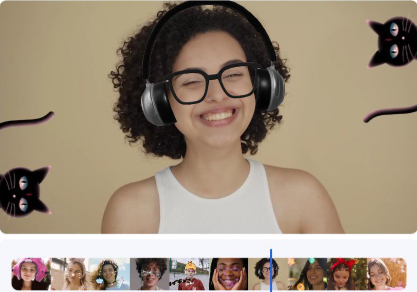
Tencent offers an advanced AR platform named beauty ar designed for real-time beautification with ultra-low latency. Their technology supports processing and detecting up to five faces simultaneously on-screen, making it ideal for live streaming and interactive video chats. Tencent’s solution features virtual makeup, customizable stickers, and various skin enhancements, enabling users to personalize their appearance in real time. By pushing the boundaries of AR innovation, Tencent leads in creating immersive, interactive beauty experiences that elevate digital engagement. Their platform is transforming how users interact with beauty applications, making virtual beauty experiences seamless, interactive, and highly engaging.
Challenges and Future Prospects of AR in Cosmetics
While AR in cosmetics offers numerous advantages, it also presents challenges that need addressing for wider adoption.
Technical Barriers and User Adoption Challenges
Despite its appeal, AR technology encounters technical challenges. High-quality image recognition and real-time processing require powerful hardware, posing a barrier for users with older devices. Furthermore, safeguarding user privacy and ensuring data security are crucial to building consumer trust and widespread adoption. Addressing these issues is key to the continued growth and success of AR technology.
The Future of AR in Beauty: What’s Next?
The future of AR in beauty looks incredibly promising. We can expect even greater personalization and more seamless integration of AR into consumers’ daily routines. As technology continues to advance, AR could reshape how beauty products are marketed and sold, turning traditional advertisements into interactive, immersive experiences. The combination of AR and AI will allow for even more customized beauty recommendations, creating entirely tailored beauty journeys for each consumer. As these technologies evolve, the beauty industry will continue to innovate, offering even more dynamic and personalized experiences for customers.
Conclusion
Incorporating AR technology in the beauty sector offers creative and personalized experiences like never before. It addresses customers’ needs while providing thrilling, hyper-personalized interactions. The journey has only just begun, and we anticipate many more transformations in beauty, led by technology. The future of beauty is indeed bright and more beautiful with AR.
