



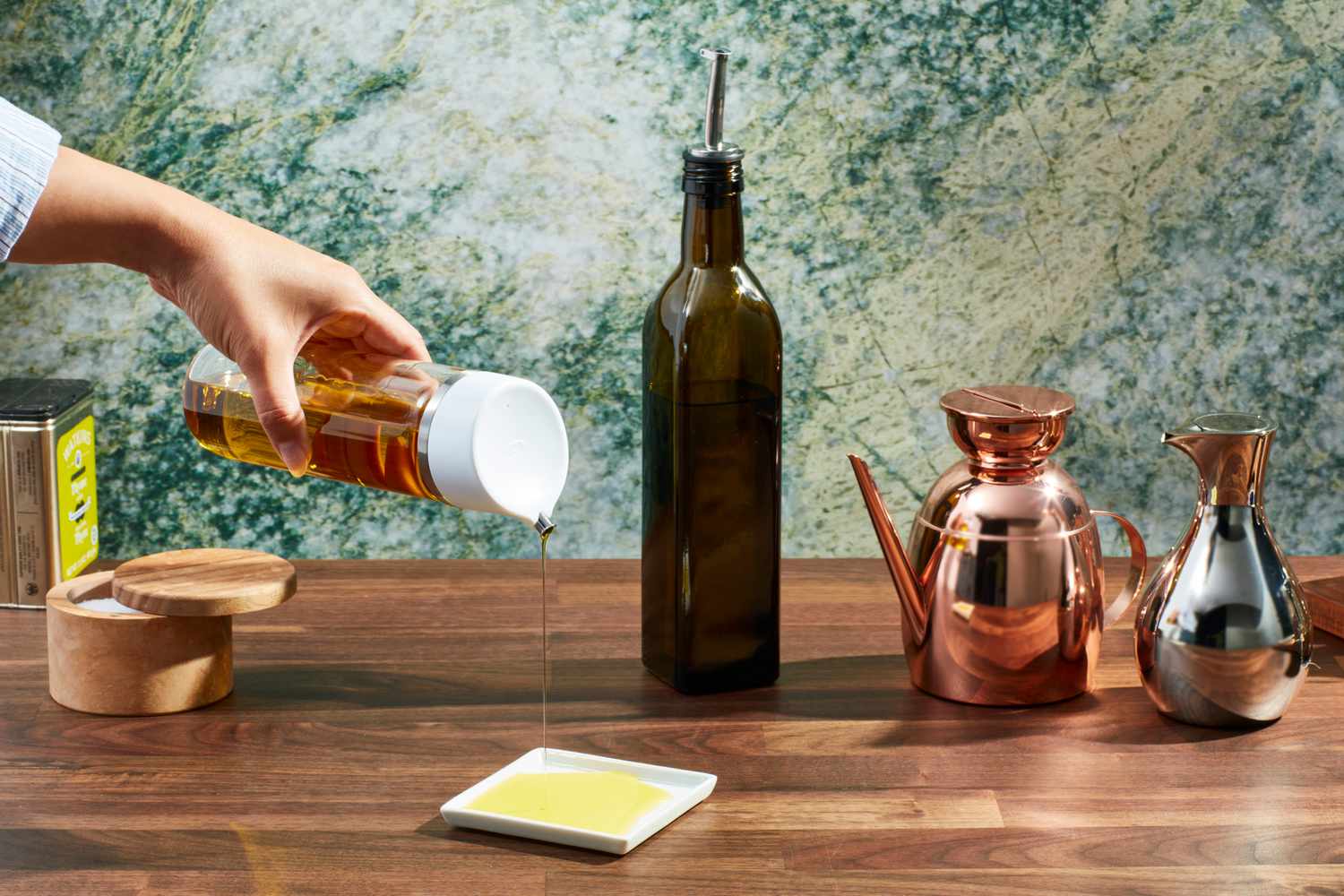
Choosing the right Olive Oil Bottles for your business goes beyond aesthetics. The packaging plays a crucial role in preserving quality, attracting customers, and aligning with your brand identity. Whether you’re a small producer or an established brand, the bottle you select can significantly impact your product’s success.
With countless options available, from glass to eco-friendly materials, finding the perfect fit might feel overwhelming. Understanding factors like durability, functionality, and design can help you make informed decisions that elevate your product’s appeal and protect its integrity.
Why Bottle Selection Matters for Olive Oil Preservation and Branding
Bottle selection directly affects olive oil quality and shelf life. Correct materials and designs minimize exposure to light, air, and heat, which can degrade flavor and nutritional value. Glass bottles with dark tints, like amber or green, provide effective UV protection essential for preserving freshness.
Packaging also serves a critical role in brand identity. Unique designs and customized labeling create stronger visual appeal, helping products stand out on shelves. For businesses, investing in high-quality olive oil bottles can enhance customer trust by reflecting premium product standards.
Functionality plays a key role in consumer satisfaction. Bottles with well-designed closures, such as pour spouts or airtight caps, ensure convenience and prevent spills. Selecting practical yet visually appealing options supports both product preservation and market positioning. Click here to browse premium olive oil bottle options that elevate both product quality and brand presentation.
Glass vs. Plastic: Which Material is Best for Olive Oil Packaging?
Glass offers superior protection for olive oil by limiting exposure to oxygen and light. Glass bottles, especially in dark tints like green or amber, provide effective UV shielding, preserving the flavor and nutrients of the oil. They’re non-reactive, ensuring that there’s no chemical interaction with the contents. Glass also enhances premium appeal, often preferred for high-quality and artisanal olive oil products.
Plastic offers a lightweight and cost-effective alternative. Innovations in food-grade plastics improve durability and reduce contamination risks. However, plastic materials can allow minimal oxygen permeation and may degrade over time when exposed to sunlight, affecting the oil’s quality. Even with UV-blocking additives, plastic cannot match glass in long-term preservation.
When considering materials, businesses prioritize product protection and brand positioning. Those targeting premium markets find glass more suitable for aligning with higher quality standards. Plastic, in contrast, may work for bulk or entry-level products due to its affordability and convenience. The choice depends on balancing preservation needs and market expectations.
Understanding UV Protection and Oxygen Barrier Technologies
UV protection and oxygen barrier technologies are critical for preserving olive oil quality. Prolonged exposure to ultraviolet light accelerates oxidation, degrading the oil’s flavor and nutrients. Bottles with dark tints, such as amber or green glass, effectively block harmful UV rays and mitigate this risk. These tinted bottles are widely adopted for premium products due to their enhanced protective properties.
Modern oxygen barrier technologies prevent air from penetrating the packaging. Oxygen exposure compromises the oil’s integrity, leading to rancidity and a shorter shelf life. High-quality glass bottles inherently offer airtight sealing when paired with well-designed closures like metal caps or silicone gaskets. Innovations in plastic materials, such as multi-layered PET with oxygen-scavenging properties, now provide comparable protection for cost-efficient packaging solutions.
Combining UV protection and oxygen barrier properties ensures product freshness and longevity. Businesses can boost consumer trust and maintain premium standards by choosing bottles that prioritize these technologies.
Selecting the Right Closure: Pour Spouts, Screw Caps, and Tamper-Proof Seals
Closures play a crucial role in preserving the freshness and quality of olive oil bottles while ensuring ease of use for consumers. Pour spouts, screw caps, and tamper-proof seals each offer unique advantages depending on the business needs and target customers.
Pour spouts are ideal for enhancing user convenience by enabling controlled pouring and minimizing spills. Often seen in premium or artisanal olive oil bottles, spouts provide an elevated user experience, making them a favorite for gourmet products. Integrated or removable models are available, offering flexibility based on packaging design.
Screw caps provide reliable sealing and are cost-effective for large-scale production. Suitable for standard olive oil bottles, they offer durability and simplicity in preserving the oil’s quality by forming an airtight barrier. They suit businesses prioritizing mass distribution or general-purpose products.
Tamper-proof seals boost consumer confidence by ensuring product integrity. Common on high-quality or exported olive oil bottles, these seals confirm that the packaging hasn’t been compromised. Examples include shrink bands, pull-off caps, or induction-sealed liners, designed to prevent unauthorized access while maintaining freshness.
Selecting closures should align with the bottle material and target market. High-quality closures enhance functionality and reinforce the brand’s commitment to delivering fresh, secure products. Combining well-matched closures with UV-protective and premium design features can further optimize consumer satisfaction.
Custom Bottle Designs for Premium and Artisan Olive Oils
Custom bottle designs enhance the value of premium and artisan olive oils by aligning with brand storytelling and consumer expectations. Unique shapes, embossed glass patterns, and elegant finishes provide a visual distinction that reinforces the product’s premium status. For example, slender glass bottles with a matte coating or a frosted finish create a sophisticated appearance, appealing to upscale markets.
Designs incorporating functionality and aesthetics combine consumer convenience with brand differentiation. Features such as ergonomic shapes ensure ease of handling, while custom labeling areas accommodate branding elements like logos, typography, or product details. This allows businesses to communicate authenticity and quality effectively.
Businesses targeting artisanal markets often opt for designs inspired by traditional olive oil packaging. For instance, amphora-shaped bottles evoke heritage while maintaining modern protection standards. Custom engravings or limited-edition designs create exclusivity, further increasing appeal to niche audiences.
Personalized bottles also allow brands to incorporate sustainability into their design. Eco-friendly glass bottles with minimalistic aesthetics highlight environmental commitments without compromising the premium feel. Integrating biodegradable closures or recyclable labels into the design emphasizes an eco-conscious identity.
Businesses investing in custom olive oil bottles position their products as exclusive and high-quality. This approach supports better customer engagement, higher perceived value, and enhanced shelf presence in competitive markets.
Sustainable Packaging Trends in Olive Oil Bottling for 2025
Sustainable packaging is reshaping the olive oil industry, with innovations enhancing environmental responsibility and product performance. Businesses increasingly adopt eco-friendly materials, including recyclable glass and plant-based plastics, to reduce ecological impact. Lightweight glass bottles align with this trend by combining durability and sustainability while maintaining premium appeal.
Minimalist design principles dominate, featuring reduced material usage and streamlined aesthetics. Labels made from biodegradable materials or printed directly onto bottles reduce waste and support brand narratives focused on sustainability. For closures, biodegradable caps and compostable tamper seals achieve functionality while reinforcing eco-conscious values.
Reusable packaging gains traction as brands offer refillable olive oil bottles to promote waste reduction. Custom bottle designs for refill stations enable seamless integration with sustainability initiatives. Bulk packaging solutions for restaurants and households also provide eco-friendly alternatives when paired with recyclable materials.
Advanced manufacturing processes minimize carbon footprints by utilizing renewable energy and reducing emissions. Glass manufacturers increasingly incorporate cullet, or recycled glass, in bottle production, cutting energy demands. Innovations like bio-polyethylene (Bio-PE) and polylactic acid (PLA) expand non-plastic alternatives, catering to environmentally conscious consumers.
Brands embedding sustainability in packaging strategies strengthen customer loyalty and align with growing demand for eco-friendly products. By adopting these trends, they enhance their olive oil bottles’ appeal and meet expectations for responsible packaging practices in 2025.
Where to Source High-Quality Olive Oil Bottles for Your Business
Finding the right supplier for olive oil bottles is key to ensuring quality and consistency. Look for reputable manufacturers or distributors specializing in food-grade packaging with options for customization. Prioritize suppliers offering a range of materials, designs, and sustainable solutions to align with your brand’s needs.
Trade shows, industry directories, and online platforms are excellent resources for discovering reliable suppliers. Partnering with a trusted provider ensures access to durable, functional, and visually appealing bottles that protect your product and elevate its market presence. Investing in quality packaging is a strategic step toward building a successful olive oil business.


