

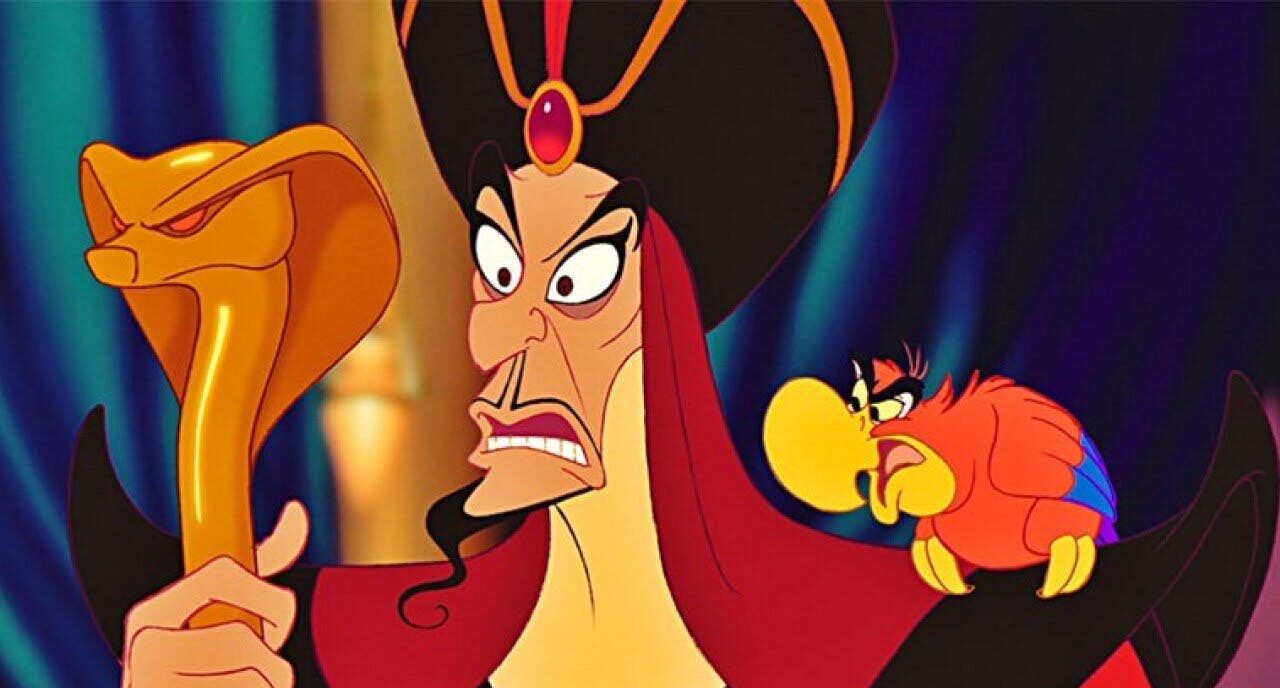
The antagonist literary device is a cornerstone of storytelling, serving as the central force that opposes the main character and drives conflict. The antagonist in literature is not always a villain; it can be any person, force, or situation that creates obstacles for the protagonist.
This concept has existed in storytelling for centuries, shaping plots in novels, plays, films, and even oral traditions. Understanding the antagonist meaning allows readers and writers to appreciate how conflict operates and why it is essential to narrative development.
Through exploring examples of antagonists across genres, analyzing the role of antagonist, and learning about the types of antagonist, we gain insight into how these characters or forces challenge the protagonist’s journey.
Antagonist Meaning and Definition in Literature
The antagonist definition in literature refers to a character, group, or force that opposes the protagonist, creating tension and obstacles. While commonly perceived as the “bad guy,” the antagonist’s purpose is more complex than mere villainy.
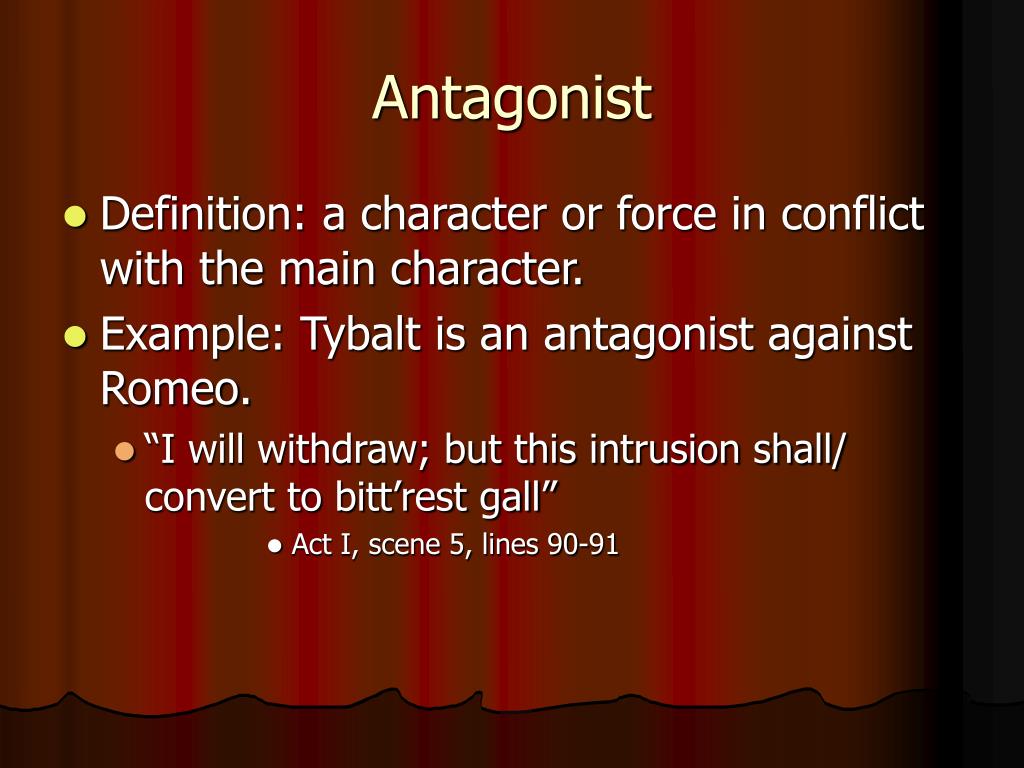
The antagonist meaning stems from the Greek word antagonistes, meaning “opponent” or “rival.” This role can be:
- A person with conflicting goals to the protagonist.
- A societal system resisting change.
- An internal struggle within the protagonist.
- A natural or supernatural force posing challenges.
Unlike flat stereotypes, the most memorable antagonists have motivations and depth. They may genuinely believe they are right, making them morally complex and more realistic.
Types of Antagonist
Understanding the types of antagonist is crucial for creating varied and interesting conflicts in stories.
- Human Antagonist – A character whose goals conflict directly with the protagonist. Example: Count Dracula in Dracula.
- Group or Society – Cultural norms, political regimes, or social expectations as obstacles. Example: The oppressive government in 1984.
- Nature or Environment – Natural disasters, wild animals, or harsh climates. Example: The sea in The Old Man and the Sea.
- Supernatural Antagonist – Magical beings, curses, or otherworldly entities. Example: Sauron in The Lord of the Rings.
- Internal Antagonist – Psychological struggles such as fear, doubt, or guilt. Example: Hamlet’s indecision in Hamlet.
- Technological Antagonist – Machines or AI that turn against humans. Example: HAL 9000 in 2001: A Space Odyssey.
By recognizing these variations, writers can design conflicts that resonate on multiple levels.
Role of Antagonist in Storytelling
The role of antagonist is not simply to “be bad,” but to challenge the protagonist in meaningful ways. An effective antagonist:
- Drives the plot by introducing conflict.
- Tests the protagonist’s strengths, weaknesses, and values.
- Forces character growth and transformation.
- Creates emotional engagement for the audience.
Without the antagonist, stories risk becoming static. The protagonist’s journey depends on these challenges to keep readers invested and to give the resolution satisfying weight.
Antagonist vs Protagonist
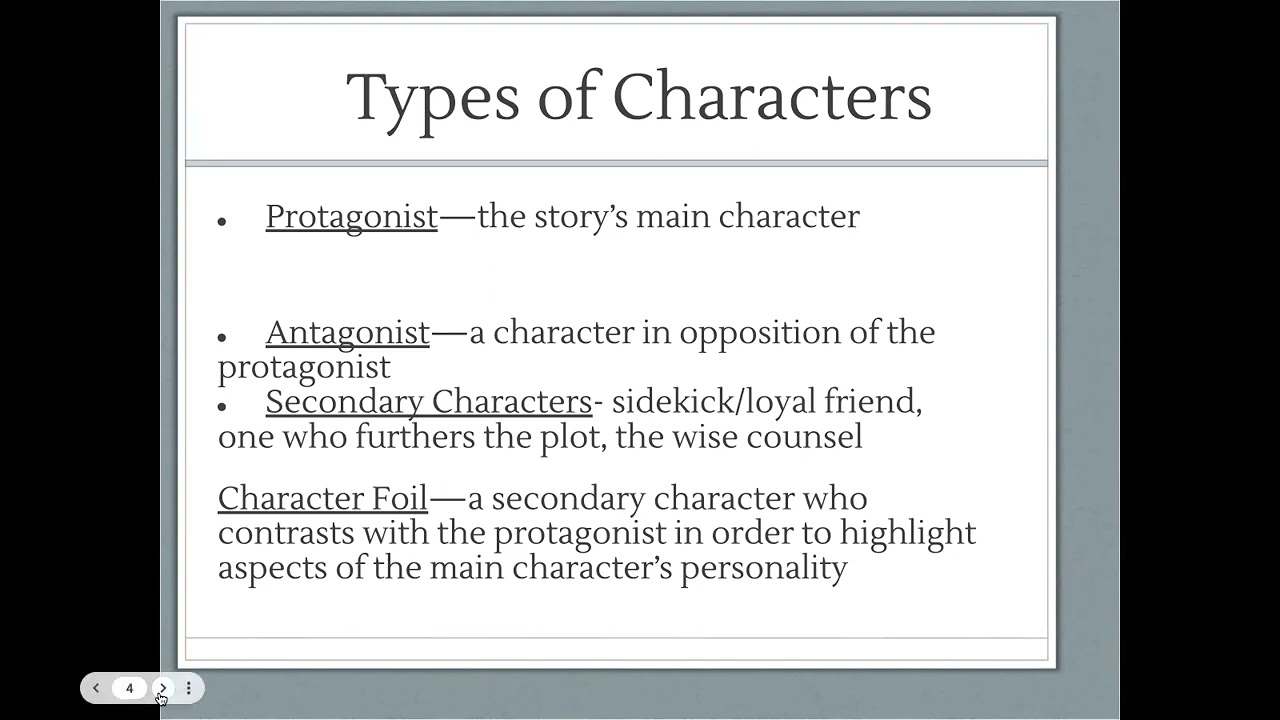
The antagonist vs protagonist relationship is the backbone of narrative structure.
| Feature | Protagonist | Antagonist |
| Role | Main character, central focus | Force opposing protagonist |
| Goal | Achieve personal or external objective | Prevent protagonist’s success |
| Reader Sympathy | Often sympathetic | May be disliked, feared, or respected |
| Examples | Harry Potter | Lord Voldemort |
It is important to remember that the antagonist may see themselves as the hero of their own story. This self-perception adds layers of realism and intrigue to their characterization.
Antagonist Examples in Literature
Examples of antagonist appear across literary history, from epic poems to contemporary novels.
- Lord Voldemort in Harry Potter – Embodiment of evil, personal enemy to the protagonist.
- Iago in Othello – Manipulation and deceit with personal vendettas.
- Nurse Ratched in One Flew Over the Cuckoo’s Nest – Institutional control and psychological dominance.
- The White Witch in The Chronicles of Narnia – Magical tyranny with personal ambition.
- Heathcliff in Wuthering Heights – Antihero with destructive revenge motives.
These figures challenge the protagonist while often reflecting the central themes of their respective stories.
Antagonist Examples in Books
The antagonist examples in books show how varied this role can be. In classic and modern literature alike, antagonists have different personalities, backgrounds, and motivations.
Classic works:
- Moby-Dick – The white whale as a symbol of obsession.
- Les Misérables – Inspector Javert as moral law versus compassion.
Modern works:
- The Hunger Games – President Snow as political oppression.
- Gone Girl – Amy Dunne’s manipulation and deception.
Each of these examples demonstrates how the antagonist can be physical, ideological, or psychological.
Antagonist Character Analysis
A proper antagonist character analysis looks at more than surface actions—it studies motives, flaws, strengths, and relationships with other characters.
Key traits to analyze:
- Motivation – What drives their opposition?
- Conflict type – Is it personal, societal, or environmental?
- Development – Do they change over the story?
- Symbolism – Do they represent larger ideas or themes?
By understanding these aspects, readers can better appreciate the complexity and narrative function of the antagonist.
Functions of Antagonist in a Story
The functions of antagonist in a story include multiple layers:
- Creating tension – Keeps the plot dynamic and engaging.
- Testing values – Forces the protagonist to confront beliefs.
- Shaping the climax – The main conflict often culminates in a final confrontation.
- Driving themes – Embodying key moral, social, or philosophical ideas.
Without these functions, a story risks losing momentum and impact.
FAQs about Antagonist Literary Device
What is an antagonist in literature?
An antagonist is a character or force that opposes the protagonist and creates conflict.
Does an antagonist have to be a villain?
No, they can be well-intentioned but have opposing goals.
What are the main types of antagonist?
Human, society, nature, supernatural, internal, and technological.
Can the protagonist also be the antagonist?
Yes, in cases of internal conflict, the character can be their own worst enemy.
What is the difference between antagonist and antihero?
An antihero is a flawed protagonist, while an antagonist opposes the protagonist.
How do antagonists affect the plot?
They introduce obstacles, push character growth, and drive the narrative forward.
Why are some antagonists more memorable than others?
Complex motivations, depth of character, and thematic relevance make them unforgettable.
Conclusion of Antagonist Literary Device
The antagonist literary device is essential to crafting compelling stories. Whether through antagonist examples in books, symbolic forces, or types of antagonist in literature, these opposing elements give depth to narratives.
By understanding the role of antagonist and exploring the dynamic of antagonist vs protagonist, writers can create richer plots and more engaging characters. From classic villains to morally ambiguous rivals, the antagonist remains one of the most powerful tools in a storyteller’s craft.
