



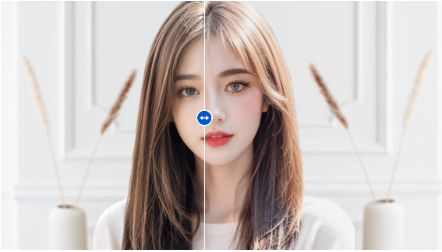
Beauty technology has revolutionized how users interact with apps, moving far beyond the traditional beauty filters available in the past. Beauty Augmented Reality Software Development Kits (AR SDK) are at the forefront, setting new standards in the industry. These advanced tools offer a higher level of integration, engagement, and performance optimization. They empower developers to deliver an unparalleled visual experience within apps. In this comparison, we’ll explore the distinct advantages of Beauty AR SDK over conventional beauty filters, covering aspects like real-time performance, customization features, accessibility, privacy, and their practical applications in various industries.
Key Benefits of Beauty AR SDK Over Traditional Filters
Real-Time Performance and Low Latency
Beauty AR SDKs deliver exceptional real-time performance. Users demand immediate results when applying filters, and AR SDKs meet this expectation by leveraging advanced algorithms and optimized code. These tools minimize latency, ensuring that users experience seamless, instant visual adjustments as they interact with the app. Unlike traditional filters that can lag or produce jittery effects, AR SDKs maintain high frame rates and clear image quality even during complex graphic processing. This real-time responsiveness elevates user satisfaction, making features like virtual makeup or facial enhancements much more engaging.
Customizability and Feature Richness
Beauty AR SDKs outshine traditional filters with their remarkable customizability and broad feature sets. Developers are given a rich palette of options to tailor experiences specifically to their audience’s needs. Advanced AR SDKs support intricate effects, such as hair color changes, skin smoothing, and real-time lighting adjustments. These effects can be layered and adjusted dynamically, offering personalized user experiences unlike static, one-size-fits-all traditional filters. Moreover, licensed customizable features in AR SDKs often come with detailed documentation and support, enabling developers to integrate complex effects with ease and precision.
Cross-Platform and Web Accessibility
The cross-platform nature of the beauty ar sdk significantly enhances its appeal. They support a variety of operating systems, including iOS, Android, Windows, and even web browsers, facilitating seamless integration across multiple devices. This universal compatibility ensures a wider reach, as apps can attract users from different platforms without additional development overhead. Traditional filters often lack this flexibility, requiring separate implementations for each platform. Additionally, the growing trend of web-based applications benefits greatly from the web accessibility of these AR SDKs, as they permit real-time filter application directly in the browser.
Privacy and On-Device Processing
Privacy concerns drive user trust and brand loyalty, making on-device processing a critical advantage of Beauty AR SDKs. Traditional beauty filters often require server-based processing, posing potential privacy risks as user images are uploaded and processed in the cloud. Conversely, AR SDKs harness the power of the device itself to render effects. This approach not only enhances security by keeping user data locally processed but also reduces dependency on internet connectivity for operation. Users can apply complex effects without the fear of data breaches, instilling confidence in privacy-centric applications.
Use Cases and Applications
Social Media and Live Streaming
In the realm of social media, Beauty AR SDKs take content creation to new heights. Platforms such as Instagram, Snapchat, and TikTok thrive on user-generated content, where stunning visuals can significantly enhance engagement. Beauty AR SDKs provide creators with tools to apply intricate facial enhancements and fun effects in real-time during live streams and video recordings. Unlike static traditional filters, these SDKs allow for dynamic interaction with the content, such as AR makeup tutorials or virtual meetings with themed overlays. This level of interaction captivates audiences, encouraging users to spend more time on the platform, sharing and interacting.
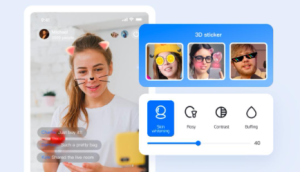

E-Commerce and Virtual Try-On
E-commerce has embraced Beauty AR SDKs to enrich customer experiences, particularly through virtual try-ons. Customers shopping for beauty products can visualize how cosmetics like lipsticks, eyeshadows, or hair colors appear on their skin in real-time before purchasing. Retailers benefit by providing a personalized shopping experience, reducing return rates due to dissatisfaction. Unlike traditional image-based tests, Beauty AR SDKs deliver a more realistic and engaging experience, allowing for interactive testing of various products at the convenience of the user’s home.
Video Calls and Conferencing
Video communication has become indispensable, and Beauty AR SDKs enhance the experience significantly. Whether in business conferencing apps or personal communication platforms, beauty and face-enhancing effects have become crucial. Users can appear more polished and professional during video calls with real-time makeup adjustments, face smoothing, or background blurring. These features, powered by on-device processing, work seamlessly without affecting the call’s quality or performance. Enhanced visual options help users maintain confidence and comfort during virtual interactions, fostering more effective communication.
Choosing Between Beauty AR SDK and Traditional Filters
Developer and Business Considerations
Developers and businesses must weigh several factors when choosing between Beauty AR SDKs and traditional filters. Implementation complexity, project budget, and long-term goals significantly influence this decision. While traditional filters are easier to integrate and cost-effective for simple projects, Beauty AR SDKs provide scalability, future-proofing, and unique features vital for competitive markets. The initial investment in AR SDKs might be higher, but their adaptability and performance pay off in enhanced user experiences, attracting and retaining customers. Businesses focused on innovation and market leadership benefit from the technological edge AR SDKs offer, enabling the creation of cutting-edge applications that meet and exceed user expectations.
User Experience and Visual Quality
User experience is paramount when comparing Beauty AR SDKs and traditional filters. AR SDKs excel in providing high-quality, engaging visuals that enhance user satisfaction. Unlike traditional filters, which may degrade image quality or lag, AR SDKs ensure smooth, aesthetically pleasing results, crucial for applications requiring realistic beauty enhancements. Enhanced visuals lead to increased user retention and interaction, as users are more likely to return to applications that deliver consistent and impressive results. For apps where visual appeal is a core element or differentiator, investing in AR SDKs aligns with delivering top-notch user experiences that stand out in the competitive marketplace.
Conclusion
In the world of digital beauty enhancements, Beauty AR SDKs have emerged as transformative tools, significantly surpassing traditional beauty filters in performance, customizability, and innovation. These SDKs offer developers and businesses an expanded creative canvas, enabling them to craft unique user experiences that meet modern demands for privacy, quality, and accessibility. While traditional filters serve simpler applications, the competitive edge offered by AR SDKs makes them an invaluable asset in the evolving digital landscape.


