



In the modern aerospace industry, the demand for high-performance materials has never been greater. With aircraft manufacturers striving for enhanced fuel efficiency, reduced emissions, and superior durability, Carbon Composites have emerged as a revolutionary solution. These advanced materials provide unmatched strength-to-weight ratios, making them indispensable in the development of next-generation aerospace components.
The Role of Carbon Composites in Aerospace
Aerospace engineering has evolved significantly over the past few decades, with carbon composites playing a crucial role in the transformation. Traditional materials like aluminum and titanium, while strong, are significantly heavier than composite alternatives. The integration of carbon composites allows aircraft manufacturers to design structures that are not only robust but also remarkably lightweight.
Some of the key advantages of using carbon composites in aerospace applications include:
- Enhanced Strength and Durability: Carbon fiber composites exhibit exceptional tensile strength, allowing them to withstand extreme stress and environmental conditions.
- Lightweight Structure: These materials are significantly lighter than metals, reducing the overall weight of aircraft and improving fuel efficiency.
- Corrosion Resistance: Unlike metals, carbon composites do not corrode, making them ideal for long-term use in aerospace applications.
- Design Flexibility: Carbon composites can be molded into complex shapes, enabling innovative aerodynamic designs.
How Carbon Composites Improve Aerospace Performance
The aerospace sector benefits tremendously from the adoption of carbon composites, particularly in key areas such as:
1. Aircraft Structural Components
One of the most significant applications of carbon composites is in the structural framework of aircraft. Modern commercial aircraft, such as the Boeing 787 Dreamliner and Airbus A350, incorporate a high percentage of composite materials in their airframes. These components include fuselage sections, wings, tail fins, and landing gear doors, all of which contribute to weight reduction and enhanced structural integrity.
2. Propulsion Systems and Engine Components
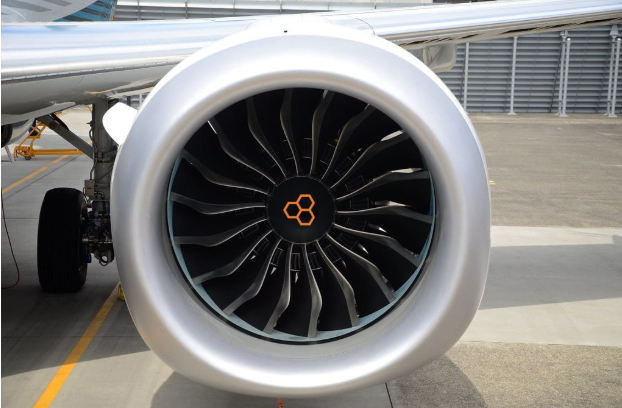
Carbon fiber-reinforced composites are also widely used in engine nacelles, fan blades, and turbine components. These applications demand materials that can endure high temperatures while maintaining structural stability. Carbon composites provide superior thermal resistance and mechanical performance, making them ideal for propulsion systems.
3. Satellite and Spacecraft Applications
Beyond commercial aviation, carbon composites have also found extensive use in space exploration. Spacecraft components, including satellite structures, payload fairings, and solar panel frames, utilize carbon fiber composites to achieve optimal weight reduction and superior performance in extreme conditions.
Connova: Pioneering Excellence in Carbon Composites
The company Connova leads aerospace composite technology with its expertise in carbon fiber materials while remaining a leader in aerospace-grade solutions development. Precise engineering and innovative research together at Connova enable the supply of high-quality composites which satisfy aerospace sector requirements. The company specializes in creating lightweight structures with high strength through their expertise starting from prototype design up to full-scale manufacturing for aviation and space industries.
Future of Carbon Composites in Aerospace
The continuous advancement of composite technology promises an exciting future for aerospace engineering. As sustainability becomes a major focus, carbon composites will play a vital role in achieving fuel efficiency and reducing carbon footprints in aviation. Researchers are now exploring next-generation materials, such as self-healing composites and nanocomposites, to further enhance performance and longevity.
Elevate Aerospace Performance with Carbon Composites
The aerospace industry is undergoing a transformation, and carbon composites are at the heart of this evolution. By offering an unparalleled combination of strength, lightweight properties, and durability, these advanced materials continue to redefine aircraft and spacecraft design. With pioneers like Connova driving innovation, the future of aerospace composites looks brighter than ever. As demand for more efficient, eco-friendly aircraft rises, carbon fiber composites will remain an indispensable asset in achieving superior performance and sustainability.


