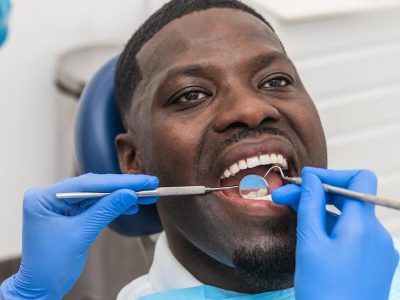


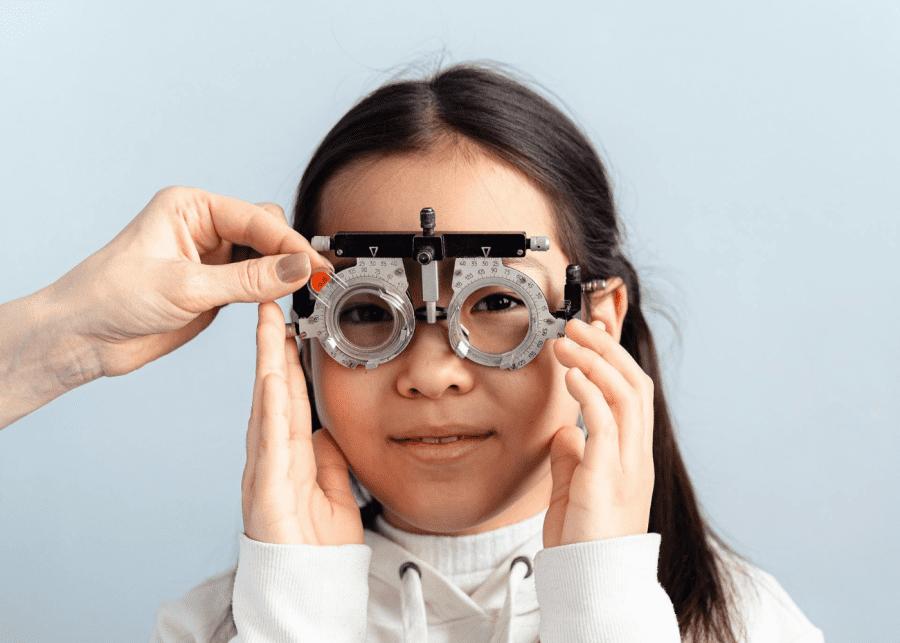
Singapore’s health care system has moved much toward preventive care in the past few years. Eye screening in Singapore is now a regular part of keeping up with your health, and it helps find eye problems early. Many people in Singapore get their eyes checked regularly. Some specialized offices offer basic and advanced tests, like those used to treat cataracts. Singapore wants to stay a top medical center in the region, and this focus on eye health is part of that plan.
Do You Need Regular Eye Screening in Singapore?
Preventive healthcare in Singapore depends much on eye tests. Given the aging population and use of digital gadgets, these tests are vital for spotting possible visual impairments. Early cataract, glaucoma, diabetic retinopathy, macular degeneration, and refractive problems can all be found by regular eye exams. They can also spot rare eye tumors and systemic medical problems causing eye problems. Vision issues can seriously compromise the quality of life, leading to hectic lives. Early discovery from routine eye exams usually results in more straightforward treatments and improved long-term vision.
What is eye screening in Singapore?
Basic tests often assess your eyesight, color perception, and depth sense in businesses and colleges. For adults, more thorough eye exams are advised every one to two years, including testing for glasses, front-of-the-eye exams, eye pressure checks, retina exams, and peripheral vision tests. Advanced diagnostics like OCT, corneal topography, fluorescein angiography, electroretinography, and ultrasonic biomicroscopy are performed for patients with particular risks or symptoms. In Singapore’s eye care system, these new tests dramatically enhance early diagnosis and treatment.
Who Should Undergo Eye Screening in Singapore?
- Children: It is critical to find eye problems like crossed eyes (strabismus) and lazy eyes (amblyopia) as soon as possible so treatment can work. A complete eye test should be done on kids between 6 and 12 months to look for these and other problems.
- High-Risk Adults: People with certain health conditions and living choices are more likely to have eye problems and should prioritize regular eye exams. People with diabetes or high blood pressure are among these. It’s also more likely if someone in your family has had eye illnesses. For the same reason, people with eye surgeries or accidents should also get regular check-ups.
- Seniors: Older people need to get more regular eye checks because age-related eye diseases are more common in that age group. People over 65 should get complete eye checks once a year. Furthermore, returning for follow-up visits after eye surgeries or other surgeries is essential. As Singapore’s population ages, more attention is paid to offering special eye care for older people.
Where to Get Eye Screening in Singapore?
Singapore has several places where people can get eye exams so that they can fit people with a range of needs and budgets:
- Public Healthcare Institutions: Clinics and hospitals run by the government offer voters and permanent residents cheaper eye exams. The care is still good, even if you have to wait longer.
- Private Ophthalmology Practices: Specialized eye clinics offer more detailed screenings, often with shorter wait times and more personalized care.
- Optical Shops: Basic eye examinations are available at many eyewear outlets. These examinations mostly examine your prescription for glasses rather than your general eye health. They are practical if you just need to change your prescription.
- Community Screening Events: Basic eye exams are often given for free or at a low cost at health fairs and community events, especially for people who may not have access to care. Furthermore, these events help get the word out about eye health.
How Does Eye Screening Work in Singapore?
In Singapore, a standard comprehensive eye examination operates within a predetermined procedure. The doctor will first probe your vision, general health, medications, and family history of eye problems. They will next use eye charts to see how well you can see at various distances. They will next check for the proper lens prescription for contacts or glasses. The doctor will examine your eyes’ exterior, including lashes and eyelids. They will see if your pupils move together correctly and how they respond to light. Measuring eye pressure will help one search for glaucoma. The front of your eye will be examined with a sophisticated microscope. The doctor will look at the retina, optic nerve, and blood vessels in the rear of your eye following dilating your pupils.
How Do Cultural Factors Influence Eye Screening in Singapore?
Singapore’s eye exams are designed to fit the needs of its diverse population. Because everyone must understand why and how eye screenings work, information is available in English, Mandarin, Malay, and Tamil. As the population ages, screenings are adjusted to suit seniors, especially those with mobility or thinking difficulties. Furthermore, because specific eye problems are more common in some ethnic groups, like angle-closure glaucoma in Chinese Singaporeans and diabetic retinopathy in South Asian Singaporeans, the screening process takes these differences into account.
How Will Technology Shape Eye Exams in Singapore?
Advanced eye screening in Singapore is coming. New genetic, eye scan, and computer analytic methods identify eye disease risk before symptoms show. As smart glasses and contact lenses with monitoring features become accessible, continual eye screening in Singapore may warn users to consult a doctor. They are being upgraded to address the growing problem of nearsightedness in youth.
Vision: Unlocked!
In Singapore, where life moves quickly, putting your health first can feel like adding another thing to an already long list of things to do. However, Singaporeans can feel better by scheduling regular eye exams. Regular check-ups are important for keeping your eyes healthy and give you a chance to find and treat any possible eye problems early on.
If you want to improve your vision, or if eye disease runs in your family and makes you more likely to get it, getting regular eye exams is a smart and worthwhile investment in your long-term health. You should do it because you care about your health and wellness in general. Singapore’s eye care facilities are among the best in the world, with ophthalmologists, optometrists, and support staff who are very skilled. So, eye screening in Singapore is a strong and effective way to protect their sight. This will make sure that people in the future have better, more peaceful lives.
Chelvin Sng Eye Centre – Dr Chelvin Sng
38 Irrawaddy Road
Mt Elizabeth Novena Specialty Centre #06-25
Singapore 329563
Tel: +65 6334 2282
Whatsapp: +65 8129 6328