



Open world games have changed the way we play, offering vast, explorable worlds where players can roam freely. From the early days of simple graphics and limited scope to the modern era of detailed and immersive environments, these games have come a long way. This article will take you on a journey through the history of open world games, from the classics like GTA III to the groundbreaking Elden Ring.
Key Takeaways
- Open world games have evolved from simple beginnings to complex, immersive experiences.
- Early pioneers like Elite paved the way for future games in the genre.
- GTA III and Ocarina of Time set the standard for 3D open world games.
- Modern games like The Witcher 3 and Breath of the Wild have redefined what open world games can be.
- Technological advancements have played a crucial role in the evolution of open world games.
The Origins of Open World Games
Early Pioneers: Elite and Beyond
The concept of open-world games has been around longer than many might think. In the late ’70s and early ’80s, games like Akalabeth: World of Doom and Elite laid the groundwork for this genre. These early titles allowed players to explore vast spaces and provided a taste of the freedom that would later define open-world games. Elite, released in 1984, was particularly groundbreaking with its vast universe and open-ended gameplay.
The Rise of 3D Worlds: GTA III and Ocarina of Time
The late ’90s and early 2000s saw the rise of 3D open-world games, which brought a new level of immersion and freedom. The Legend of Zelda: Ocarina of Time, released in 1998, offered an expansive world with a degree of freedom that was revolutionary for its time. However, it was GTA III in 2001 that truly set the standard for modern 3D open-world games. With its detailed cityscape and the freedom to explore and interact with the environment, GTA III became a landmark in the evolution of open-world games.
The Golden Age of Open World Games
Bethesda Game Studios became a household name with their expansive open-world games. Titles like The Elder Scrolls V: Skyrim and Fallout 3 offered players vast worlds to explore, filled with rich lore and countless quests. These games set a new standard for depth and immersion in open-world design. Players could spend hundreds of hours exploring every nook and cranny, making choices that impacted the game world in meaningful ways.
Ubisoft perfected a formula for open-world games that became incredibly popular. With series like Assassin’s Creed and Far Cry, they created detailed worlds filled with activities, collectibles, and missions. Their games often featured a mix of historical settings and modern gameplay mechanics, appealing to a wide audience. The success of these games showed that open-world design could be both accessible and deeply engaging like https://www.casinous.org/casino-games/ collections.
Rockstar Games continued to push the boundaries of what open-world games could achieve. Following the success of GTA III, they released Grand Theft Auto V, which became one of the best-selling games of all time. Rockstar’s attention to detail, storytelling, and world-building set their games apart. They also explored new themes and settings with titles like Red Dead Redemption, offering players a different kind of open-world experience. Rockstar’s games are often seen as the pinnacle of open-world design, combining technical excellence with compelling narratives.
Technological Advancements and Their Impact
Graphics and Realism
The leap in graphics technology has been nothing short of amazing. Modern open-world games boast stunning visuals that make players feel like they are part of a living, breathing world. From detailed character models to expansive landscapes, the level of realism has reached new heights.
AI and World Interactivity
Artificial intelligence has also seen significant improvements. NPCs (non-playable characters) are now more lifelike, reacting to player actions in more believable ways. This makes the game world feel more dynamic and engaging.
Procedural Generation
Procedural generation has allowed developers to create vast, unique worlds without manually designing every detail. This technology generates content algorithmically, ensuring that no two playthroughs are exactly the same. It adds a layer of unpredictability and endless replayability to open-world games.
Modern Open World Games: A New Era
The Influence of The Witcher 3
“The Witcher 3: Wild Hunt” set a new standard for open-world games. Its rich storytelling, complex characters, and immersive world captivated players. The game’s success showed that open-world games could offer deep narratives without sacrificing freedom. Players could explore vast landscapes, engage in meaningful side quests, and make choices that impacted the game world.
Breath of the Wild’s Revolutionary Design
“The Legend of Zelda: Breath of the Wild” redefined open-world design with its emphasis on exploration and player agency. The game encouraged players to experiment and find their own solutions to problems. This approach led to a more organic and engaging experience. The game’s physics engine and interactive environment allowed for creative gameplay, making every playthrough unique.
Elden Ring’s Unique Approach
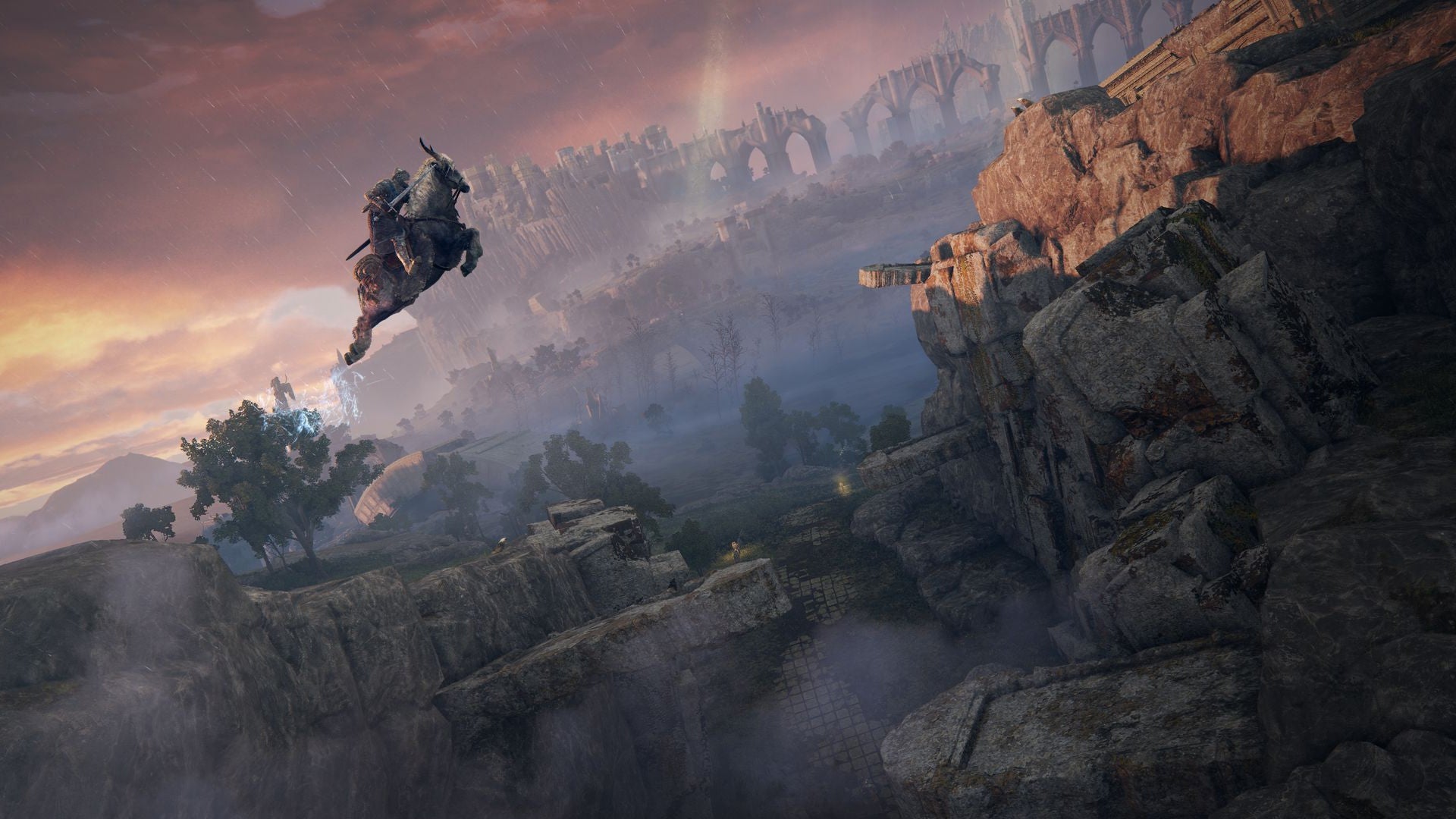
“Elden Ring” brought a fresh perspective to the genre with its blend of open-world exploration and challenging combat. The game, developed by FromSoftware, known for the “Dark Souls” series, offered a world filled with mysteries and dangers. Players had the freedom to choose their path, uncover secrets, and face formidable foes. The game’s interconnected world and deep lore provided a rich and rewarding experience for those willing to explore its depths.
Challenges and Criticisms
Repetitive Gameplay Elements
One of the main criticisms of open world games is the repetitive nature of some gameplay elements. Players often find themselves doing the same tasks over and over, which can make the game feel boring. This repetition can take away from the overall experience, making it less enjoyable.
Balancing Freedom and Narrative
Another challenge is finding the right balance between giving players freedom and telling a compelling story. Too much freedom can make the story feel less important, while too much focus on the story can limit player choices. Game developers have to work hard to find the right mix.
Technical Limitations
Open world games are also often criticized for their technical issues. These can include bugs, glitches, and performance problems. These technical limitations can break the immersion and make the game less fun to play. Developers need to constantly update and fix these issues to keep players happy.
The Future of Open World Games
Emerging Trends and Innovations
The future of open world games is bright, with many new trends and innovations on the horizon. Developers are constantly pushing the boundaries to create more immersive and expansive worlds. Some of the emerging trends include:
- Dynamic Weather Systems: These systems can change the game environment in real-time, affecting gameplay and strategy.
- Enhanced AI: Smarter NPCs that can react to player actions in more realistic ways.
- Cross-Platform Play: Allowing players on different gaming systems to play together seamlessly.
The Role of Virtual Reality
Virtual reality (VR) is set to play a significant role in the future of open world games. VR can provide a level of immersion that traditional gaming setups can’t match. Imagine walking through a bustling city or exploring a dense forest as if you were really there. This technology can make the gaming experience more engaging and realistic as mentioned on audienceplay.com site.
Community and Player-Driven Content
Community and player-driven content are becoming increasingly important in open world games. Players love to create and share their own content, from custom missions to entire game worlds. This not only extends the life of a game but also fosters a strong community. Developers are likely to provide more tools and platforms for players to create and share their content in the future.
Conclusion
Open-world games have come a long way from their early days. From the simple beginnings of games like Elite to the groundbreaking 3D worlds of GTA III and The Legend of Zelda: Ocarina of Time, the genre has constantly evolved. Developers like Bethesda and Ubisoft have built on these foundations, creating expansive worlds that offer players unparalleled freedom and immersion. Today, games like Elden Ring continue to push the boundaries, providing experiences that captivate and inspire. As we look to the future, it’s exciting to imagine how open-world games will continue to grow and change, offering even more incredible adventures for players to explore.
Frequently Asked Questions
What was the first open-world game?
One of the earliest open-world games was Elite, which came out in 1984. It allowed players to explore space freely.
How did GTA III change open-world games?
GTA III, released in 2001, was one of the first games to offer a fully 3D open world. It set the standard for many games that followed.
What makes Bethesda’s open-world games special?
Bethesda’s games, like The Elder Scrolls series, are known for their huge, detailed worlds and the freedom they give players to explore and create their own stories.
How has technology improved open-world games?
Advancements in graphics, AI, and procedural generation have made open-world games more realistic and interactive.
Why is The Witcher 3 important for open-world games?
The Witcher 3 is praised for its rich storytelling and immersive world, setting a high bar for future games in the genre.
What are the challenges of creating open-world games?
Developers often struggle with repetitive gameplay, balancing freedom with a strong story, and technical limitations.


