

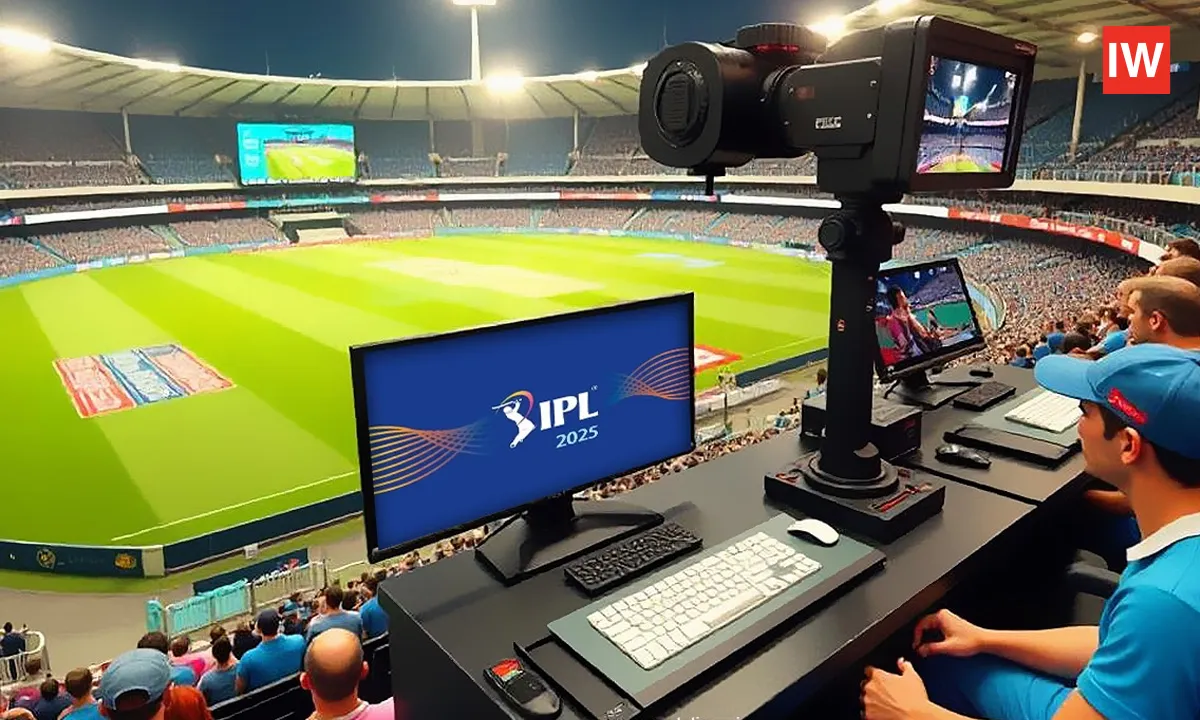
In 2025, sports broadcasting is no longer just about showing the game—it’s about delivering immersive, real-time experiences to fans across the globe. From AI-generated commentary in multiple languages to interactive holograms of players, the way fans consume sports is undergoing a revolutionary shift. As the line between live entertainment, technology, and fandom continues to blur, broadcasters are pushing boundaries to make every match feel personal, regardless of where you’re watching from.
A New Era of Global Access
The rise of digital platforms has democratized sports viewing. In the past, fans outside the U.S., Europe, or select Asian markets struggled to access live broadcasts. Today, major leagues like the NFL, Premier League, NBA, and ICC are partnering with global streaming giants and regional broadcasters to offer multilingual coverage tailored for diverse audiences. Services like DAZN, ESPN+, and Amazon Prime Sport are streaming matches to more than 200 countries, complete with local commentary and region-specific content.
This global reach isn’t just expanding fan bases—it’s changing the economics of sports broadcasting. Rights deals now include clauses for digital exclusivity, AI-powered highlights, and even virtual reality add-ons.
Technology as the Game-Changer
One of the most groundbreaking developments in 2025 is the use of Artificial Intelligence in live broadcasting. AI-driven commentary, previously limited to statistics and basic analysis, has evolved into dynamic, emotionally resonant narrations that can adapt to cultural nuances. For example, during the 2025 UEFA Champions League final, fans in Japan could hear commentary that referenced local sports legends, metaphors, and even humor styles native to the region.
Furthermore, 5G and edge computing have enabled ultra-low latency streaming, which means fans watching from São Paulo to Seoul experience goals, saves, and celebrations in near real time. The buffer wheel is now a thing of the past.
Interactivity and the Second-Screen Revolution
Modern fans aren’t just watching—they’re interacting. Global sports broadcasts now include live polls, fantasy integration, predictive games, and fan reactions on screen. Through synchronized second-screen apps, viewers can choose camera angles, replay specific plays, or view player biometric data in real time.
During the 2025 Cricket World Cup, over 40 million fans participated in real-time predictions via official apps, influencing on-screen graphics and live commentary. This level of engagement is turning passive viewers into active participants, blurring the line between broadcast and gameplay.
Challenges in a Hyper-Connected World
However, global broadcasting isn’t without challenges. Licensing rights remain fragmented, especially for smaller leagues or niche sports. There’s also the issue of balancing localization with brand consistency. A match might be broadcast in 30 languages, but keeping the tone, visuals, and quality uniform across platforms requires meticulous coordination.
Cybersecurity is another pressing concern. With more fans engaging through digital platforms, protecting live feeds and user data has become paramount. Major broadcasters are investing heavily in encryption, blockchain verification, and AI-powered content moderation to maintain integrity and trust.
The Future Is Personalized
Looking ahead, the future of global sports broadcasting lies in hyper-personalization. Fans may soon have the option to “build their own broadcast”—choosing commentators, visual styles, audio levels, and even the type of ads they see. AI avatars could offer commentary in the voice of a favorite celebrity or player, while VR and AR could place fans virtually in the front row of a stadium thousands of miles away.
As we step deeper into this new digital era, one thing remains clear: the core of sports broadcasting—passion, drama, and unity—remains untouched. What’s changing is how we experience it. With global access, cutting-edge technology, and fan-centric innovations, the game has never been more alive.
