

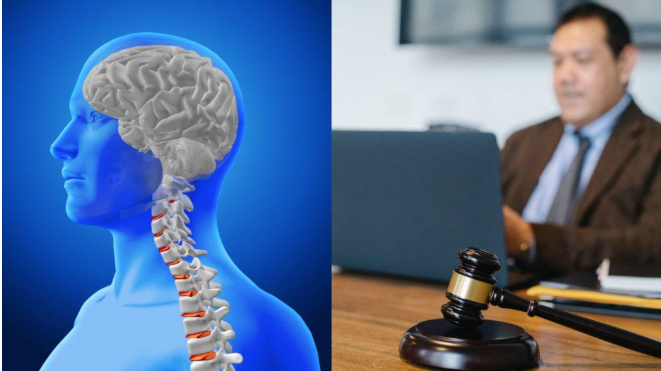
Car accidents can leave victims with more than just broken bones and bruises. One of the most devastating outcomes is a brain injury. The long-term effects of a brain injury can change every aspect of a person’s life, from their ability to work to their relationships and independence.
Physical Challenges
Brain injuries can result in severe physical limitations. Some people experience chronic headaches, dizziness, or seizures. Others might lose coordination and balance, making it hard to walk without assistance.
These physical changes can affect daily routines. Tasks like getting dressed, cooking, or driving may become impossible without help. Many victims require physical therapy for months or years to regain strength and mobility.
Cognitive Difficulties
A brain injury can impact how a person thinks and learns. Victims may struggle with memory loss, lack of concentration, and reduced problem-solving skills. This can make returning to work or school extremely challenging.
Even simple tasks, such as following a conversation or reading instructions, may become frustrating and confusing. Some people experience slowed thinking, making them feel disconnected in fast-paced environments.
Emotional and Behavioral Changes
Brain injuries often affect emotions and behavior. Many victims experience mood swings, depression, or anxiety after an accident. Some may become easily irritated or angry, even at minor inconveniences.
These emotional changes can damage relationships with family, friends, and coworkers. Loved ones may feel overwhelmed when dealing with sudden personality shifts, leading to isolation for the injured person.
Impact on Employment
Returning to work after a brain injury can be difficult. Cognitive and physical limitations may prevent victims from performing their previous duties. Some may need to reduce their hours, accept lower-paying jobs, or stop working altogether.
This loss of income can create financial strain, especially if the person was the primary earner in their household. Families often need to adjust their lifestyle to cope with reduced finances and increased medical costs.
Social Life and Relationships
Social interactions can become stressful for people with brain injuries. Memory issues and trouble following conversations can make socializing awkward or embarrassing. Victims may withdraw from friends and community activities due to frustration or fear of judgment.
Relationships with spouses and children often suffer. Changes in personality, emotional instability, and dependency for daily tasks can strain marriages and family bonds.
Loss of Independence
Many brain injury victims lose their sense of independence. They may need help with personal care, transportation, and household chores. Some require full-time caregiving or placement in assisted living facilities.
This loss of independence can lead to feelings of worthlessness, depression, and anger. People who once prided themselves on self-reliance may struggle to accept their new reality.
Ongoing Medical Needs
Brain injuries often require long-term medical care. Victims may need regular visits to neurologists, therapists, and psychologists. They may also rely on medications to manage seizures, mood disorders, and pain.
These ongoing medical needs come with high costs and emotional burdens. Constant appointments and treatments can disrupt life plans and make recovery feel never-ending.
Adjusting to a New Normal
Adjusting to life after a brain injury is not easy. It requires acceptance, patience, and support. Rehabilitation programs can help victims regain some abilities, but recovery is often slow and incomplete.
Support from family, friends, and professionals is crucial. Counseling and therapy can assist victims and loved ones in coping with the emotional impact of such life-altering injuries.
Brain injuries caused by car accidents can alter a person’s life forever. The physical, cognitive, emotional, and financial consequences are far-reaching. It is important for victims to seek proper medical treatment, legal guidance, and emotional support to navigate the challenges ahead and build a meaningful life despite their limitations.
