



To become a travel agent, start by earning a high school diploma and consider taking courses in travel, tourism, or hospitality.
Although not always required, certifications like the Travel Agent Proficiency (TAP) test or programs from The Travel Institute or CLIA can boost your skills and credibility.
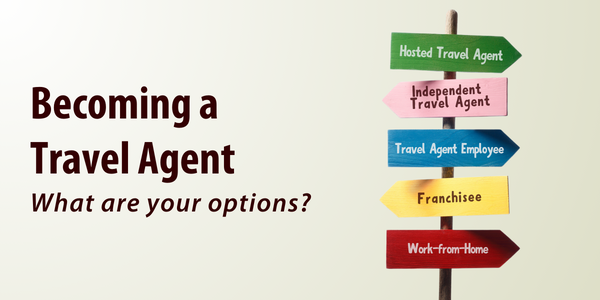
Next, choose your path: work for a travel agency, operate independently, or join a host agency that offers training, booking tools, and supplier connections.
If you go independent, you’ll need to register your business, get any required licenses, and possibly obtain errors and omissions (E&O) insurance.
Learning to use Global Distribution Systems (GDS), such as Sabre or Amadeus, is helpful for booking flights and accommodations. Building strong relationships with travel suppliers—like airlines, hotels, and cruise lines—can help you earn commissions.
Focusing on a niche (such as luxury travel, family vacations, or destination weddings) can help you stand out in a competitive market. Promote yourself through a website, social media, and strong customer service to grow your client base.
Is Becoming a Travel Agent Right for You?
Becoming a travel agent can be a great career if you’re passionate about travel, enjoy helping others, and have strong organizational skills. It’s a good fit for people who love researching destinations, planning detailed itineraries, and providing excellent customer service.
This career also requires strong communication and problem-solving abilities, especially when dealing with flight changes, cancellations, or special travel needs. If you’re comfortable using technology, booking platforms, and navigating different time zones, that’s a major plus.
Travel agents often work independently or on commission, so being self-motivated and goal-oriented is important. You’ll also need to adapt to industry changes, such as new travel restrictions or digital booking trends.
If you enjoy flexibility, working remotely, and possibly traveling for research or discounts, this path can be very rewarding. However, success takes effort—building a client base, learning booking systems, and staying current on travel trends.
Skills and Traits Every Travel Agent Needs


Strong Communication: Clear and friendly communication is essential for understanding clients’ needs and explaining travel options.
Attention to Detail: Planning trips requires careful attention to flights, accommodations, visas, and schedules to avoid mistakes.
Organizational Skills: Managing multiple bookings, deadlines, and client preferences demands excellent organization.
Customer Service: A great travel agent is patient, helpful, and able to handle last-minute changes or issues calmly.
Problem-Solving: Unexpected travel disruptions happen—being resourceful and quick to find solutions is crucial.
Sales Ability: Persuading clients to book trips or upgrades and understanding commission structures helps build your business.
Tech Savvy: Comfort with booking software, Global Distribution Systems (GDS), and online research tools is vital.
Passion for Travel: Genuine interest in destinations and travel trends helps you provide better advice and build trust.
Flexibility: Travel plans can change suddenly, so adaptability is key.
Networking Skills: Building relationships with suppliers and clients ensures access to better deals and repeat business.
Education and Training Pathways
While a formal degree isn’t always required to become a travel agent, education and training can boost your knowledge and career prospects.
Here’s a typical pathway:
- High School Diploma: This is the minimum education requirement. Focus on courses like geography, foreign languages, and computer skills.
- Postsecondary Education (Optional): Some travel agents pursue associate’s or bachelor’s degrees in travel and tourism, hospitality, business, or communications. This can help you stand out and gain a deeper understanding of the industry.
- Travel Agent Certification: Certifications are highly recommended to build credibility and skills. Popular options include:
- Travel Agent Proficiency (TAP) test by The Travel Institute
- Certified Travel Associate (CTA)
- Certified Travel Counselor (CTC)
- Destination Specialist (DS) programs for expertise in specific regions
- On-the-Job Training: Many agents start by working with experienced agents or under a host agency, learning booking systems and client management firsthand.
- Learning Booking Tools: Training in Global Distribution Systems (GDS) like Sabre, Amadeus, or Travelport is important for booking flights, hotels, and more.
- Continuous Education: The travel industry changes constantly, so staying updated through workshops, webinars, and travel conferences is key.
How to Gain Industry Experience
Gaining hands-on experience is essential to becoming a confident and successful travel agent. Here are some ways to build your industry experience:
- Work for a Travel Agency: Start as an entry-level agent or assistant to learn the ropes—booking systems, client interaction, and supplier relationships.
- Join a Host Agency: Many new agents partner with host agencies, which provide training, tools, and mentorship while you build your client base.
- Internships and Apprenticeships: Look for internships with travel companies, tour operators, or airlines to gain real-world experience and industry connections.
- Volunteer or Freelance: Offer travel planning services to friends, family, or small groups to practice creating itineraries and managing bookings.
- Attend Industry Events: Conferences, trade shows, and networking events can expose you to suppliers, trends, and best practices.
- Use Travel Booking Platforms: Practice using Global Distribution Systems (GDS) like Sabre or Amadeus through training programs or demo accounts.
- Build a Portfolio: Document your work with sample itineraries, client testimonials, or special projects to show potential employers or clients.
Using Tools and Technology Like a Pro


To succeed as a travel agent, mastering the right tools and technology is key. Here’s how to use them effectively:
- Global Distribution Systems (GDS): Learn to navigate popular GDS platforms like Sabre, Amadeus, and Travelport. These systems let you book flights, hotels, car rentals, and more in real time, giving you access to vast travel inventories.
- Booking and CRM Software: Use specialized travel booking software and Customer Relationship Management (CRM) tools to organize client information, manage bookings, and track communications efficiently.
- Online Research Tools: Stay updated with travel trends, pricing, and regulations by using resources like airline websites, tourism boards, and travel forums.
- Communication Platforms: Use email, video calls, and messaging apps to maintain clear, timely communication with clients and suppliers.
- Social Media and Marketing Tools: Build your brand and attract clients through social media platforms and marketing tools like Mailchimp or Canva for newsletters and promotions.
- Mobile Apps: Many travel tools have mobile versions—use them to stay connected and responsive on the go.
- Continuous Learning: Technology evolves quickly. Take advantage of webinars, tutorials, and training offered by travel organizations and software providers.
Starting Your Own Travel Agency vs. Joining One
Starting Your Own Travel Agency
- Pros: Full control over your business, brand, and client base. Potential for higher income and flexibility in choosing your niche and suppliers. You set your own hours and build a unique brand.
- Cons: Requires upfront investment in licensing, marketing, technology, and insurance. You must handle all business operations, from accounting to customer service. Building a client base from scratch can take time and effort.
Joining an Established Travel Agency
- Pros: Lower startup costs and less risk. Access to established clients, booking systems, and supplier relationships. You receive training and support from experienced agents. Often, steady income with less business overhead.
- Cons: Less control over business decisions and brand. You might have sales targets or commissions structures set by the agency. Limited flexibility in choosing suppliers or travel niches.
Conclusion
Becoming a travel agent is a fulfilling career choice for those who love travel and enjoy helping others plan memorable trips. Whether you decide to work for an established agency, join a host agency, or start your own business, each path offers unique opportunities and challenges.
Success in this field relies on developing strong communication, organizational, and problem-solving skills. It’s also essential to become proficient with industry tools like Global Distribution Systems (GDS) and booking software.
Gaining experience through internships, entry-level jobs, or freelancing helps build confidence and client trust. Specializing in a niche, such as luxury travel, cruises, or adventure tourism, can make you stand out and attract loyal customers.
Marketing yourself effectively through a website and social media is important for growing your client base.
While the travel industry can be fast-paced and sometimes unpredictable, it also offers flexibility, creativity, and the chance to turn your passion into a profession. Staying up to date with industry trends and continuing your education will help you remain competitive.


