

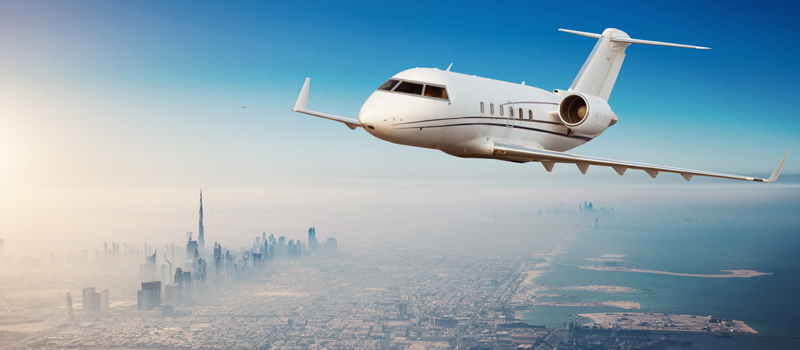
How high do planes travel is a common question for curious travelers and aviation enthusiasts alike. Most commercial airplanes cruise at altitudes between 30,000 and 40,000 feet (about 5.5 to 7.5 miles above sea level).
This specific range is ideal because the air is thinner at those heights, which means there’s less drag on the aircraft, resulting in better fuel efficiency and smoother flights. At higher altitudes, planes also avoid much of the turbulence and weather systems that exist closer to the ground.
The exact altitude depends on the aircraft type, route, weather, and air traffic conditions. For example, a Boeing 737 typically flies around 35,000 feet, while long-haul jets like the Boeing 787 or Airbus A350 may reach up to 43,000 feet on certain routes.
Not all planes fly this high. Private planes often cruise between 10,000 and 25,000 feet, and military jets or specialized aircraft like the SR-71 Blackbird have flown beyond 85,000 feet.
So while most passengers ride in a narrow cruising band, different aircraft have different altitude capabilities depending on their purpose and design.
What Is the Typical Altitude for Commercial Flights?
The typical cruising altitude for commercial flights is between 30,000 and 40,000 feet, with the most common height being around 35,000 feet.
This range is ideal for large passenger jets like the Boeing 737, Airbus A320, and similar aircraft, as it provides the best balance between fuel efficiency, safety, and comfort.
At these altitudes, the air is significantly thinner than at sea level, which means the plane experiences less drag and can fly more efficiently, burning less fuel.
Flying at higher altitudes also allows planes to avoid most weather systems, turbulence, and air traffic congestion found at lower levels. Additionally, cruising at this height gives pilots more options in the rare event of an emergency descent or route change.
The exact altitude may vary depending on the flight’s direction, duration, weather conditions, and aircraft type.
Eastbound flights usually cruise at even altitudes (like 34,000 feet), while westbound flights use odd ones (like 35,000 feet), based on international flight regulations.
Why Do Planes Fly So High?
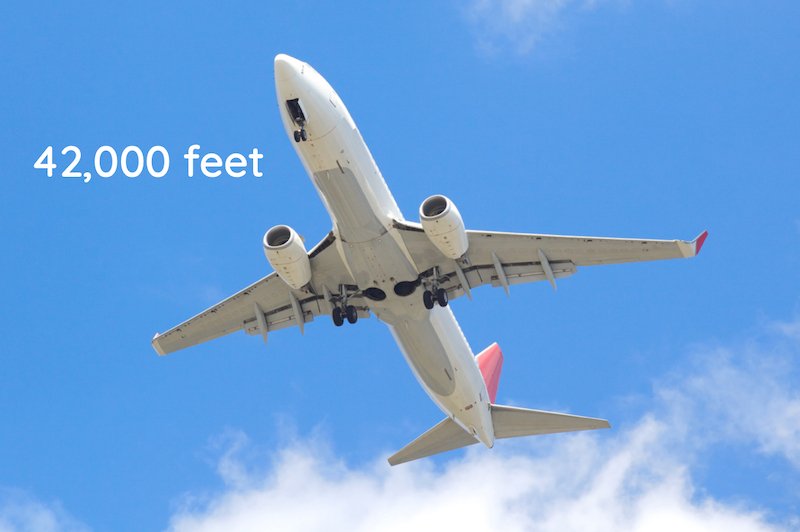
Planes fly at high altitudes—typically between 30,000 and 40,000 feet—for several important reasons related to efficiency, safety, and comfort. One of the main advantages of flying at this height is that the air is much thinner compared to sea level.
Thinner air results in less aerodynamic drag, which means the aircraft doesn’t have to work as hard to maintain speed. This reduced resistance allows the engines to use less fuel, making flights more economical for airlines and more environmentally efficient overall.
High altitudes also allow airplanes to avoid much of the weather-related turbulence and storms that occur in the lower atmosphere. By flying above the clouds and weather systems, pilots can provide a smoother, more stable ride for passengers.
Additionally, birds and drones, which can pose safety risks, are rarely found above 10,000 feet—another reason it’s safer to fly higher.
Flying so high also gives pilots more reaction time in emergencies. If a plane needs to descend quickly or reroute due to weather or technical issues, having more vertical space increases the margin for safety. It also improves air traffic management by allowing aircraft to cruise in organized altitude “lanes” based on direction.
Lastly, regulations and international standards dictate that commercial aircraft follow specific flight levels for safety and coordination. For example, eastbound flights often cruise at even altitudes (like 34,000 feet), while westbound ones use odd levels (like 35,000 feet).
In summary, planes fly high to save fuel, avoid hazards, ensure safety, and optimize performance. It’s a critical part of what makes modern air travel efficient and reliable across long distances.
Do All Planes Fly at the Same Height?
Not all planes fly at the same height. The cruising altitude of an aircraft depends on its type, size, purpose, and flight route. Commercial airliners typically fly between 30,000 and 40,000 feet, as this range offers an ideal balance between fuel efficiency, speed, and comfort.
Most modern jets, like the Boeing 737 or Airbus A320, cruise around 35,000 feet, though this can vary based on weather, air traffic, and flight direction.
In contrast, private planes—especially smaller propeller aircraft—usually cruise much lower, between 10,000 and 25,000 feet. These planes are not built to handle the same pressures or altitudes as large commercial jets and often operate on shorter regional routes.
Some high-performance private jets, like the Gulfstream G650, can reach altitudes up to 51,000 feet, but that’s the exception rather than the rule.
Military aircraft can fly even higher. For example, reconnaissance planes like the U-2 can soar above 70,000 feet, and the famous SR-71 Blackbird once flew at over 85,000 feet. These altitudes are used for strategic advantages, such as surveillance and evading radar.
Aircraft are also assigned different altitudes based on their direction of travel. According to international aviation rules, eastbound flights usually fly at even-numbered altitudes (e.g., 34,000 ft), while westbound flights fly at odd-numbered ones (e.g., 35,000 ft). This system helps maintain safe separation between aircraft flying in opposite directions.
So while commercial flights tend to operate within a consistent altitude range, the aviation world includes a wide variety of aircraft flying at vastly different heights, each optimized for their specific missions and capabilities.
What’s the Maximum Altitude a Plane Can Reach?
The maximum altitude a plane can reach depends on the type of aircraft, its design, and purpose. Most commercial airliners are certified to fly up to around 43,000 feet, but they rarely go that high during normal operations.
For example, planes like the Boeing 747, 777, or Airbus A350 typically cruise between 35,000 and 41,000 feet. Only under specific circumstances—such as lighter loads or favorable weather—might a commercial jet reach its maximum certified ceiling.
Private jets often have a higher ceiling. High-performance business jets, like the Gulfstream G650 or Bombardier Global 7500, can cruise at 51,000 feet. Flying at these heights allows them to avoid commercial traffic and reach destinations more directly and efficiently.
In the realm of military and experimental aircraft, the numbers are far more extreme. The SR-71 Blackbird, a U.S. military reconnaissance jet, holds the record for the highest sustained altitude in horizontal flight, reaching over 85,000 feet.
Even more impressively, the X-15 rocket-powered aircraft, an experimental plane operated by NASA and the U.S. Air Force, reached a record altitude of 354,200 feet (about 67 miles) in the 1960s—technically entering the lower edge of space.
Commercial planes can’t fly that high because of engine limitations, air pressure, and safety regulations. Above 50,000 feet, air density becomes too low to generate enough lift with conventional wings, and cabin pressurization becomes a serious challenge.
In summary, while typical airliners max out around 43,000 feet, specialized military and experimental aircraft have pushed the boundaries far higher, even into the fringes of space.
How Does Altitude Affect Fuel and Speed?
Altitude has a major impact on both fuel efficiency and speed in aviation. As planes climb higher, the air becomes thinner, meaning there’s less air resistance (drag) acting against the aircraft.
This reduction in drag allows planes to travel at higher speeds while burning less fuel compared to flying at lower altitudes. That’s why most commercial aircraft cruise between 30,000 and 40,000 feet—a range that strikes the best balance between engine performance and fuel economy.
At high altitudes, jet engines operate more efficiently because they require less thrust to maintain cruising speed.
Even though engine power may slightly decrease in thinner air, the overall fuel consumption drops significantly, making long-haul flights more cost-effective. This is particularly important for airlines looking to reduce operating costs and carbon emissions.
Speed is also affected by altitude. While planes may not fly much faster in terms of true airspeed, their ground speed can be boosted at high altitudes if they catch favorable jet streams—fast-moving air currents that can add 100 mph or more to their progress over the ground.
However, climbing too high can have the opposite effect. At extreme altitudes, the air becomes so thin that there’s not enough oxygen to support efficient combustion, and the aircraft may struggle to generate enough lift. That’s why every plane has a maximum cruising altitude, beyond which performance starts to decline.
In short, cruising at high altitudes allows planes to fly faster, use less fuel, and avoid turbulence, all of which contribute to smoother, more efficient, and more cost-effective flights. It’s a fine balance that modern aviation has perfected for maximum performance and passenger comfort.
What Happens If a Plane Flies Too High?

If a plane flies too high—beyond its certified maximum altitude—it can face serious risks to safety and performance. Every aircraft is designed with a specific operational ceiling, usually between 40,000 and 43,000 feet for commercial airliners.
Flying above this limit can lead to a condition called “coffin corner,” where the plane is dangerously close to both its minimum and maximum safe speeds due to thin air and low pressure.
At extreme altitudes, the air becomes too thin to generate sufficient lift with the plane’s wings. This makes it harder for the aircraft to stay airborne and can lead to a stall if speed isn’t properly maintained.
Additionally, jet engines rely on a certain amount of oxygen in the atmosphere to function efficiently. If a plane flies too high, the engines may lose power or fail entirely due to lack of oxygen for combustion.
Another major risk is cabin pressurization failure. Aircraft cabins are pressurized to keep passengers comfortable and safe, but this system can only handle certain altitudes.
If a plane climbs above its pressure limits, the cabin could depressurize, requiring an immediate emergency descent to restore safe breathing conditions.
Aircraft that exceed their altitude limit may also violate airspace regulations and interfere with military or restricted zones. For these reasons, pilots follow strict altitude guidelines and flight plans to avoid operating outside safe parameters.
In short, flying too high can compromise lift, engine performance, cabin pressure, and overall flight stability. Modern aircraft have advanced systems to prevent this from happening, and pilots are extensively trained to operate well within safe altitude ranges.
How Does Weather Influence Flight Altitude?
Weather plays a significant role in determining a plane’s flight altitude, especially during takeoff, cruising, and landing. While commercial aircraft typically cruise between 30,000 and 40,000 feet, pilots may need to adjust altitude in response to changing weather conditions.
One of the most common factors is turbulence, which is caused by unstable air currents, jet streams, thunderstorms, or mountain waves. To avoid rough air, pilots often request altitude changes to find a smoother layer of the atmosphere.
Thunderstorms and cumulonimbus clouds are also major concerns. These powerful storm systems can extend as high as 50,000 to 60,000 feet and are completely avoided by pilots.
Since it’s unsafe to fly through such severe weather, flight crews may climb, descend, or reroute around storm cells based on real-time radar and air traffic control instructions.
Jet streams, which are fast-moving air currents found around 30,000–39,000 feet, also influence altitude choices. Planes often climb to catch a tailwind for a speed boost or descend to avoid a headwind, which could slow them down and increase fuel burn.
In colder weather, icing conditions at lower altitudes can also force a plane to climb to a warmer layer of air where ice won’t form on the wings or engines. Conversely, extreme heat at ground level (known as “hot and high” conditions) can reduce engine performance, affecting the plane’s ability to climb efficiently.
Overall, pilots and air traffic controllers work closely together to adjust flight altitudes based on real-time weather data, turbulence reports, and airspace safety, ensuring both comfort and operational efficiency.
Conclusion
How high planes travel depends on the type of aircraft, flight purpose, and safety regulations. Most commercial jets cruise between 30,000 and 40,000 feet, where the air is thin enough to reduce drag and improve fuel efficiency, yet thick enough to maintain lift and cabin pressurization.
Private jets, military aircraft, and experimental planes can fly even higher—some reaching well above 50,000 feet or more.
Flying at high altitudes offers many benefits, including smoother rides, faster travel, and improved fuel economy. However, planes have strict altitude limits for a reason.
Going too high can result in performance issues, engine trouble, or cabin pressurization risks. Weather conditions, air traffic, and aircraft design all play a role in determining a safe and efficient cruising altitude.
In the end, altitude is one of the key elements that make modern aviation efficient and safe. Whether you’re flying across the country or across the world, your aircraft is operating in carefully chosen airspace to ensure the best possible journey.
