



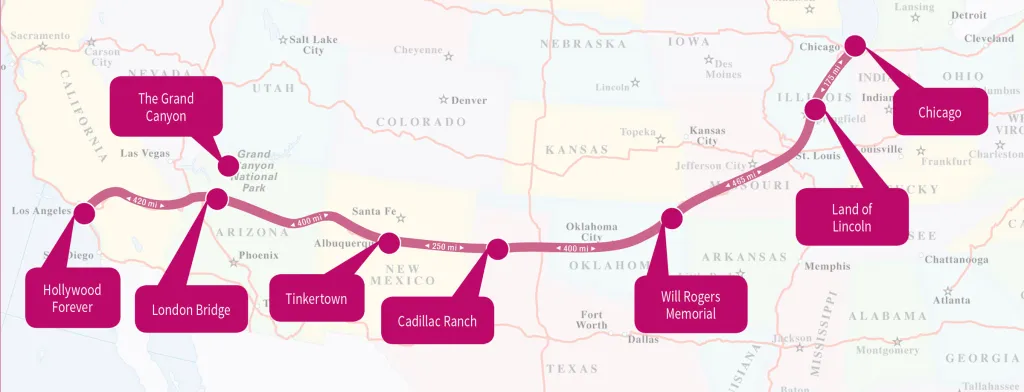
How long does it take to travel Route 66? The answer depends on how fast or slow you want to experience this legendary American road trip. Stretching approximately 2,448 miles from Chicago, Illinois, to Santa Monica, California, Route 66 passes through eight states and countless iconic attractions.
If you were to drive it straight through without stopping, it would take about 4 to 5 days, assuming 6–8 hours of driving per day. However, most travelers prefer to take their time and soak in the small towns, roadside diners, classic motels, museums, and quirky landmarks that make Route 66 so special.
For a balanced experience, two weeks is the most recommended timeframe. This allows you to cover roughly 200 miles per day while making meaningful stops along the way. If you’re in a hurry or only exploring select segments, you might condense the trip into 7–10 days, though you’ll likely miss some hidden gems.
On the other hand, a three- to four-week journey offers a relaxed pace for in-depth exploration, perfect for travelers who want to experience the full nostalgia and charm of the Mother Road.
Your total time can also vary depending on your direction (east to west or west to east), how many detours you take, and the time of year—summer traffic or winter closures can impact travel speed.
Whether you’re a road tripper chasing Americana or a history buff following the trail of early U.S. highways, your Route 66 adventure can be tailored to fit your schedule. In the end, how long you spend on Route 66 depends on your goals, but one thing is certain—it’s a journey best enjoyed unrushed.
What Is Route 66 and Why Travel It?
Route 66, often called the “Mother Road” or “Main Street of America,” is one of the most iconic highways in the United States.
Established in 1926, it originally ran from Chicago, Illinois, to Santa Monica, California, spanning about 2,448 miles and crossing eight states. While it was officially removed from the U.S. Highway System in 1985, much of the road remains drivable today and has become a symbol of freedom, nostalgia, and classic Americana.
Route 66 played a major role in American history—it supported Dust Bowl migration in the 1930s, post-war tourism in the 1950s, and the rise of roadside culture, including diners, motels, gas stations, and kitschy attractions.
Traveling Route 66 today is not just about getting from point A to point B; it’s about experiencing a living piece of American heritage. The journey offers a rare mix of historic landmarks, natural beauty, quirky roadside attractions, and charming small towns that seem frozen in time.
From the Gateway Arch in St. Louis to Cadillac Ranch in Texas and the Santa Monica Pier in California, each stop offers something unique and memorable. You’ll also find original segments of the road, vintage neon signs, and restored gas stations that offer a glimpse into the past.
People travel Route 66 for many reasons—some for the history, others for the adventure, and many for the nostalgia of a simpler, slower-paced era.
Whether you’re a history buff, a road trip enthusiast, or simply curious about this legendary highway, Route 66 offers a one-of-a-kind experience that combines culture, scenery, and storytelling like no other. It’s more than just a road trip—it’s a journey through the soul of America.
Average Time to Drive Route 66
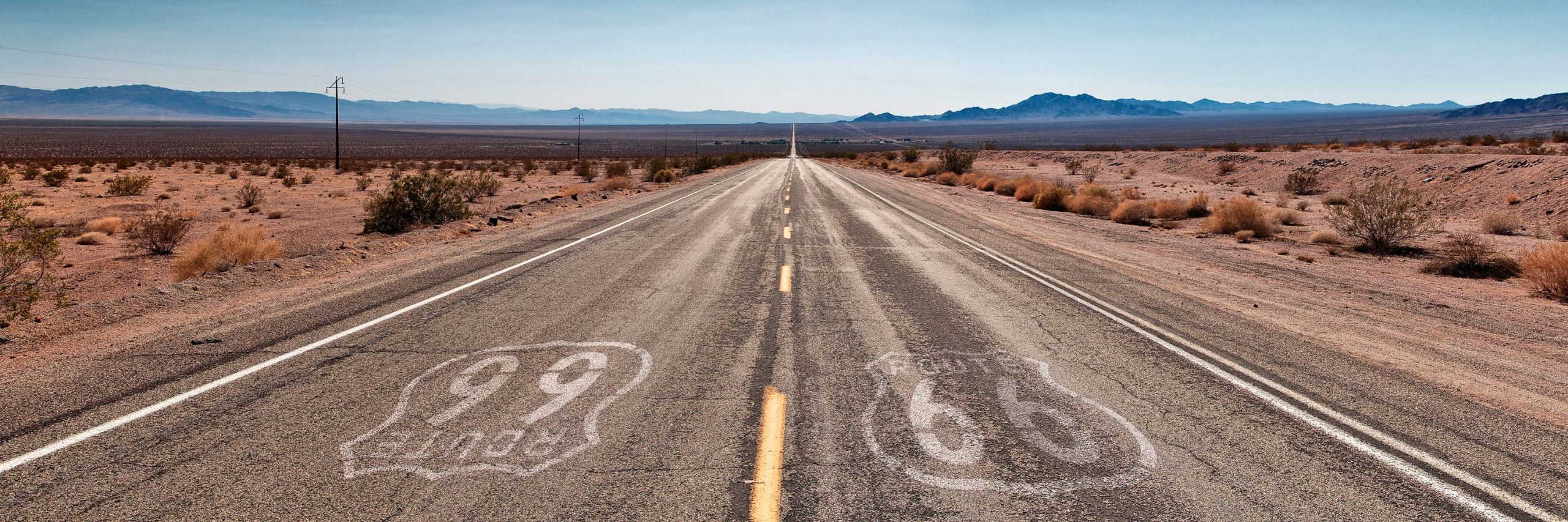

The average time to drive Route 66 depends on how much of the route you want to explore and how quickly you want to travel.
For most travelers, the average trip takes about two weeks. This allows time to enjoy the major attractions, scenic detours, and charming roadside stops without feeling rushed.
Driving the entire length of Route 66—approximately 2,448 miles from Chicago to Santa Monica—typically involves traveling between 200 to 300 miles per day, depending on how many hours you’re willing to spend on the road.
Some ambitious travelers complete Route 66 in 7 to 10 days, but that often means skipping smaller towns and local sights to stay on schedule.
On the other end of the spectrum, those who want a slow, immersive experience may take three to four weeks to enjoy everything Route 66 has to offer, from museums and diners to national parks and quirky roadside attractions.
The time of year can also affect your drive. Summer is the most popular season but also the busiest, while spring and fall offer milder weather and lighter traffic. Winter travel may be slower due to snow in the Midwest and mountain areas.
Another factor is whether you’re driving point-to-point or looping back, which doubles your mileage if you return by car rather than flying home.
Ultimately, the average Route 66 journey is best enjoyed over 10 to 14 days, giving you time to see major highlights while keeping a relaxed pace. Planning your days ahead, prioritizing your must-see spots, and building in flexibility will make your Route 66 road trip both efficient and unforgettable.
Best Itineraries by Trip Length
Planning your Route 66 adventure starts with deciding how much time you have, and luckily, the road can be tailored to fit nearly any schedule. For a 7-day itinerary, you’ll want to focus on highlights rather than trying to drive the full 2,448 miles.
A one-week trip could cover a segment like Chicago to Oklahoma City or Albuquerque to Santa Monica, offering a taste of Route 66 culture without overwhelming your schedule.
In just seven days, you can enjoy famous stops like the Gateway Arch in St. Louis, Cadillac Ranch in Texas, or the Wigwam Motel in Arizona—just be prepared to drive around 300–400 miles a day.
If you have 10 to 14 days, you’re in the sweet spot for a full Route 66 experience. A two-week itinerary lets you travel the entire route at a moderate pace, spending time in key cities such as St. Louis, Tulsa, Amarillo, Albuquerque, Flagstaff, and Los Angeles.
You’ll be able to stop at museums, roadside attractions, and local diners without feeling rushed. With about 175–250 miles per day, this timeframe balances sightseeing and drive time.
For those fortunate enough to have three to four weeks, the itinerary can slow down even more. This allows for longer stays in each town, scenic detours to places like the Grand Canyon, Petrified Forest, and Route 66 State Park, and even a day or two of rest in between drives.
You’ll have time to discover lesser-known gems and interact with locals who bring the Route 66 story to life.
Whether you have one week or a full month, there’s a Route 66 itinerary that can work for you. The key is to plan ahead, prioritize your must-see spots, and allow room for spontaneous roadside discoveries.
Key Stops That Affect Travel Time
While driving Route 66, your travel time isn’t just determined by miles—it’s also shaped by the number and length of stops you choose to make. Some of the most iconic Route 66 attractions can easily turn a short driving day into a full one.
For example, the Route 66 Museum in Clinton, Oklahoma, or the National Route 66 Museum in Elk City are worth an hour or more each if you’re interested in the highway’s rich history.
In Texas, Cadillac Ranch just outside Amarillo is a quick stop, but travelers often linger to spray-paint cars and take photos. Further west, the quirky town of Seligman, Arizona, is known for its retro diners and vintage shops that celebrate Route 66 nostalgia—another spot where visitors tend to lose track of time.
Nature lovers may want to take side trips that significantly extend the route. The Grand Canyon, located just north of Route 66 in Arizona, can add an entire day or more to your itinerary if you plan to hike or stay overnight.
Likewise, the Petrified Forest National Park, which Route 66 passes directly through in eastern Arizona, is a stunning landscape that deserves a few hours of exploration. Don’t forget about Santa Fe, a slight detour off the original route in New Mexico that offers rich culture, art, and architecture.
Even smaller stops—like photo ops with giant roadside statues, meals at famous diners, or shopping at vintage souvenir stores—can add up over time.
If you’re planning to truly experience Route 66, it’s wise to factor in extra time for these must-see stops, especially if you’re aiming to complete the entire journey without feeling rushed.
Overnight Stops and Lodging Tips
Planning your overnight stops on Route 66 is essential to enjoying a smooth and memorable trip. With over 2,400 miles to cover, most travelers break the journey into daily legs of 150 to 300 miles, which means you’ll need to plan for 10 to 14 overnight stays if doing the full route.
Popular overnight stops include major cities and historic towns such as Chicago, IL, Springfield, MO, Tulsa, OK, Amarillo, TX, Santa Fe, NM, Flagstaff, AZ, and Santa Monica, CA. These locations offer a good mix of attractions, food, and classic Route 66 charm.
One of the joys of Route 66 is staying in vintage motels that preserve the nostalgic feel of mid-20th-century American road trips.
Favorites include the Blue Swallow Motel in Tucumcari, NM, and the Wigwam Motel in Holbrook, AZ—both known for their retro charm and photo-worthy appeal. These historic accommodations often book up fast during peak travel seasons (spring and summer), so advanced reservations are highly recommended.
If you’re looking for more modern comfort, you’ll also find chain hotels and boutique inns along the route, especially near larger cities.
Mixing lodging types—some budget, some unique—can keep your trip affordable and interesting. For road trippers with RVs or campers, there are also plenty of campgrounds and RV parks along the way.
To stay flexible, try planning one or two nights in advance but leave some days open for spontaneous detours. Always consider location, parking, and proximity to dining when booking your stays. By carefully planning your overnights, you can avoid fatigue, enjoy authentic roadside hospitality, and make the most of every mile on Route 66.
Factors That Influence Your Route 66 Timeline
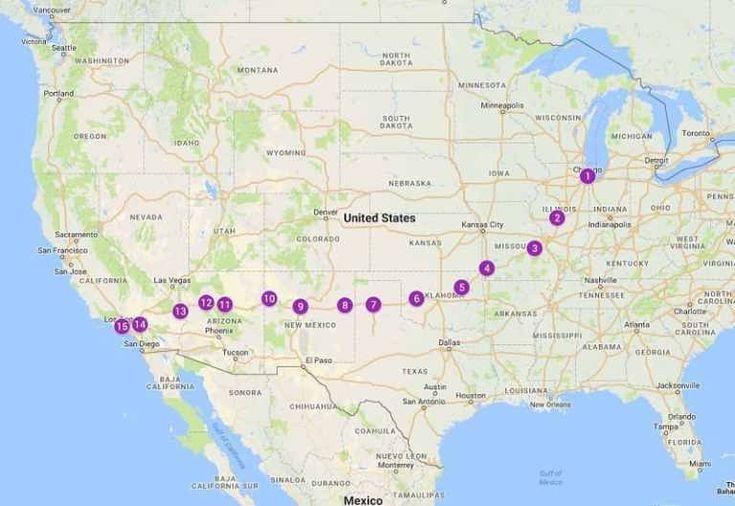

Several important factors can influence how long it takes to drive Route 66, making each traveler’s experience unique.
The most obvious is your available time and desired pace. If you’re trying to complete the full 2,448-mile journey quickly, you might do it in 7 to 10 days, but a more relaxed pace—10 to 14 days or more—allows for stops at attractions, historic towns, and natural wonders.
The number of stops you plan to make will greatly affect your timeline. Museums, roadside diners, quirky landmarks, and scenic detours can easily stretch a half-day of driving into a full-day adventure.
Seasonal travel is another factor. In summer, longer daylight hours allow more time to explore, but tourist crowds can slow you down, especially at popular stops.
In winter, weather-related delays—particularly in the Midwest or mountain regions like Arizona and New Mexico—can affect road conditions and cause detours. Spring and fall are generally ideal for moderate weather and fewer crowds.
Traffic patterns, especially near larger cities like Chicago, St. Louis, or Los Angeles, can impact drive time.
If you’re traveling during holidays or weekends, be prepared for potential delays. Road construction or detours may also affect parts of the old Route 66, which is no longer a continuous federal highway but a combination of state and local roads.
Lastly, your mode of travel—whether you’re driving a car, motorcycle, RV, or cycling—can impact how far you can go each day.
Even your travel companions (like kids or pets) can influence the pace of your trip. Planning for flexibility, padding in extra time, and being open to unexpected experiences are key to creating an enjoyable Route 66 journey tailored to your style.
Sample Route 66 Travel Schedule
Planning a Route 66 road trip is easier when you have a flexible but structured schedule in mind. For a balanced experience, a 14-day itinerary gives you enough time to see key attractions without feeling rushed.
Here’s a sample Route 66 travel schedule to guide your journey:
Day 1: Chicago, IL – Begin your trip by exploring Route 66’s starting point. Visit the Route 66 Begin sign, Millennium Park, and grab a deep-dish pizza before heading out.
Day 2: Chicago to Springfield, IL – (200 miles) Stop at the Gemini Giant in Wilmington and explore the Route 66 Museum in Pontiac.
Day 3: Springfield to St. Louis, MO – (100 miles) Visit the Old Chain of Rocks Bridge and Gateway Arch.
Day 4: St. Louis to Springfield, MO – (215 miles) Stop at Meramec Caverns and classic diners along the way.
Day 5: Springfield to Tulsa, OK – (180 miles) Enjoy historic sites in Carthage and spend the evening exploring Tulsa’s art deco architecture.
Day 6: Tulsa to Oklahoma City, OK – (105 miles) Visit the Blue Whale of Catoosa and Route 66 Museum in Clinton.
Day 7: Oklahoma City to Amarillo, TX – (260 miles) Don’t miss the Cadillac Ranch and the Big Texan Steak Ranch.
Day 8: Amarillo to Santa Fe, NM – (280 miles) A scenic drive through Tucumcari with a detour to Santa Fe.
Day 9: Santa Fe to Gallup, NM – (200 miles) Explore Native American art and culture along the way.
Day 10: Gallup to Flagstaff, AZ – (185 miles) Stop by Petrified Forest National Park.
Day 11: Flagstaff to Kingman, AZ – (150 miles) Detour to the Grand Canyon if time allows.
Day 12: Kingman to Barstow, CA – (200 miles) Pass through Oatman and the Mojave Desert.
Day 13: Barstow to Santa Monica, CA – (130 miles) Arrive at the Route 66 End Sign on the Santa Monica Pier.
Day 14: Explore Los Angeles or begin your return journey.
Conclusion
Traveling Route 66 is far more than just a road trip—it’s a journey through time, culture, and the heart of America.
Whether you choose to drive the entire 2,448 miles from Chicago to Santa Monica or explore a shorter segment, the experience is rich with history, nostalgia, and discovery.
From quirky roadside attractions and classic diners to breathtaking natural landscapes and small-town charm, Route 66 offers something for every kind of traveler.
How long it takes to travel Route 66 depends on your time, interests, and pace. While some adventurous drivers can cover the full route in 7–10 days, most people find that 10 to 14 days allows a more enjoyable and immersive experience.
Slower-paced trips of three to four weeks provide the opportunity to fully explore historic stops, detour to national parks like the Grand Canyon, and truly connect with the spirit of the open road.
Proper planning—like choosing the right folding methods for your clothes, selecting memorable overnight stops, and factoring in delays or spontaneous discoveries—can make your trip smoother and more enjoyable.
Tools like packing cubes, flexible itineraries, and knowledge of must-see stops will help ensure you make the most of every mile.
No matter how you travel it, Route 66 remains one of the most iconic and beloved road trips in the world. It invites you to slow down, look around, and appreciate the stories, landscapes, and people that make the journey unforgettable.
So fuel up, hit the road, and enjoy the ride—because Route 66 is more than a route; it’s an experience you’ll remember for a lifetime.


