

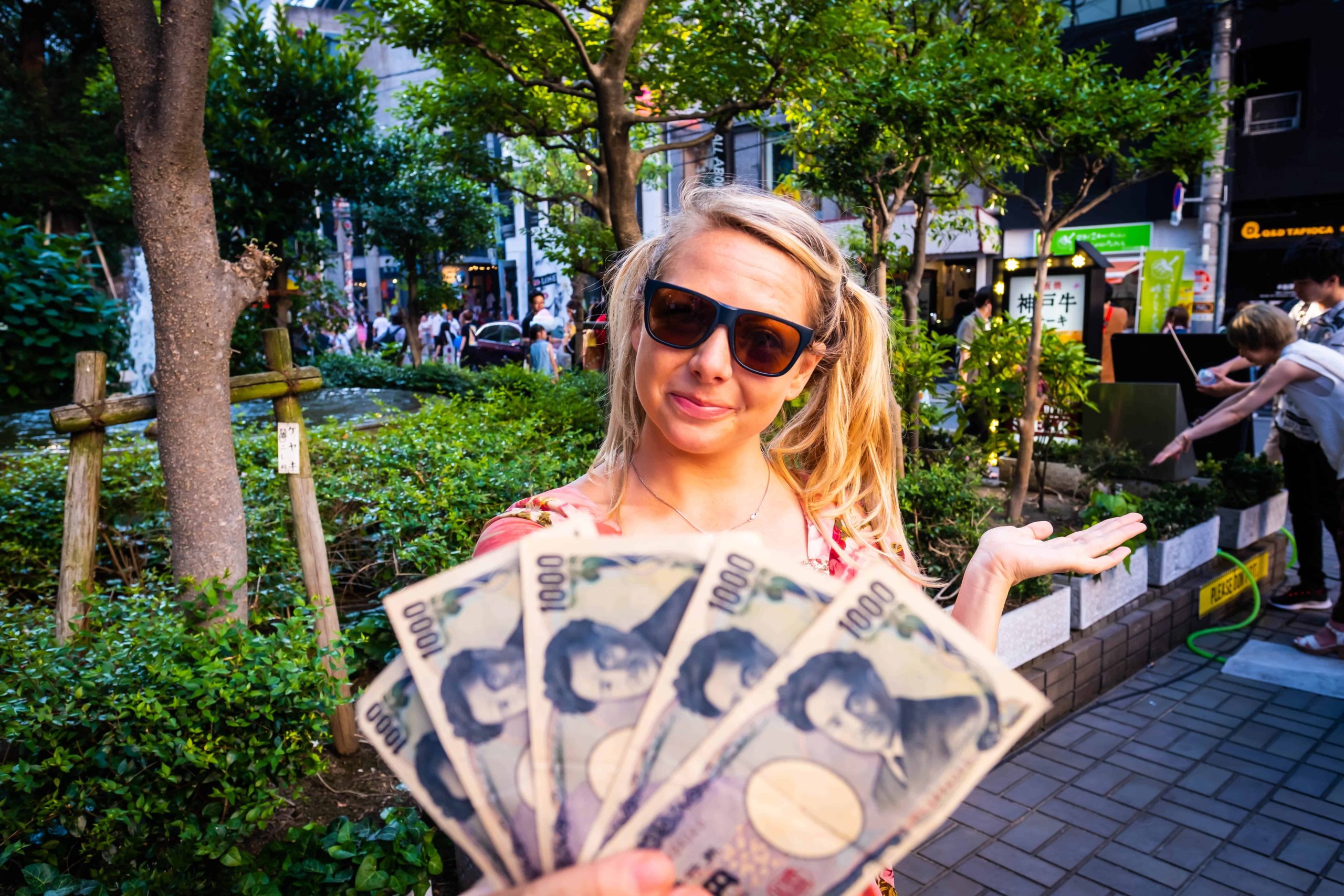
How much to travel to Japan? The answer depends on your travel style, season, and length of stay—but a typical trip costs between $2,500 to $5,000 USD per person for a 1–2 week vacation.
Flights are usually the largest upfront expense. Round-trip airfare from the U.S. or Europe ranges from $700 to $1,500, depending on the time of year and how early you book. Traveling during cherry blossom or holiday seasons can increase prices.
Accommodation in Japan offers a wide range. Budget travelers can stay in hostels or capsule hotels for $30–$70 per night, while mid-range hotels cost $100–$200 per night. Luxury hotels or traditional ryokans can exceed $300–$500 per night.
Food costs are surprisingly reasonable. You can eat well at convenience stores, ramen shops, or sushi chains for $10–$20 per meal, while high-end restaurants can cost $100+ per person.
Transportation within Japan is efficient but adds up. The Japan Rail Pass, which allows unlimited train travel, costs about $280 for 7 days. Local transit, like subways and buses, will cost another $5–$15 per day.
Activities and attractions like temples, museums, or theme parks may cost between $5 and $60 per entry. Some cultural experiences, like tea ceremonies or sumo tournaments, can add more to your budget.
Total costs for a 10-day trip:
- Budget: $2,000–$2,800
- Mid-range: $3,000–$4,000
- Luxury: $5,000+
In summary, Japan can fit a range of travel budgets. With good planning, it’s possible to explore this rich, beautiful country without breaking the bank.
Average Cost of a Trip to Japan
The average cost of a trip to Japan varies based on travel style—budget, mid-range, or luxury—but most travelers can expect to spend between $200 and $400 per day. This includes flights, accommodation, meals, transport, and activities.
For a 1-week trip, the total cost typically falls between $1,800 and $3,000 USD per person:
- Flights: Round-trip airfare from North America or Europe usually ranges from $700 to $1,200, depending on season and booking time.
- Accommodation: Budget hostels or business hotels start at $30–$70 per night, mid-range hotels cost $100–$200, and luxury hotels or ryokans can exceed $300–$500 per night.
- Food: Daily food costs average $20–$60, with cheap eats like ramen, conveyor-belt sushi, and convenience store meals keeping expenses low.
- Transportation: A 7-day Japan Rail Pass is around $280, while local transit adds another $5–$10 per day.
- Activities: Entrance fees to attractions, cultural experiences, or day tours typically range from $5 to $50 per activity.
Budget travelers can manage a 1-week trip for around $1,500–$2,000 by using hostels, eating local, and using regional rail passes. Luxury travelers might spend $5,000 or more, especially if staying in top-tier hotels and booking guided experiences.
Flight Prices to Japan from Major Countries
Airfare to Japan can vary significantly depending on where you’re flying from, the time of year, and how far in advance you book. Here’s a general overview of round-trip flight prices from major regions:
1. United States
- West Coast (e.g., Los Angeles, San Francisco): $700–$1,100
- East Coast (e.g., New York, Boston): $900–$1,400
- Peak Season (March–April, October): Up to $1,600+
- Low Season (January, November): As low as $600
2. United Kingdom & Europe
- London: $850–$1,300
- Paris, Frankfurt, Amsterdam: $800–$1,200
- Southern & Eastern Europe: $900–$1,400
- Budget airlines or long layovers may reduce costs but increase travel time.
3. Australia & New Zealand
- Sydney or Melbourne to Tokyo: $700–$1,100
- Auckland to Tokyo: $800–$1,200
- Direct flights cost more but are much faster.
4. Canada
- Vancouver: $700–$1,000
- Toronto or Montreal: $850–$1,300
- Flights from western Canada are typically cheaper and shorter.
5. Southeast Asia
- Bangkok, Kuala Lumpur, Manila: $300–$600
- These routes are among the cheapest, especially with low-cost carriers.
Tips to Save on Flights:
- Book 2–4 months in advance
- Be flexible with travel dates
- Consider nearby airports like Osaka (KIX) or Nagoya (NGO)
- Use fare comparison tools like Google Flights or Skyscanner
Accommodation Costs
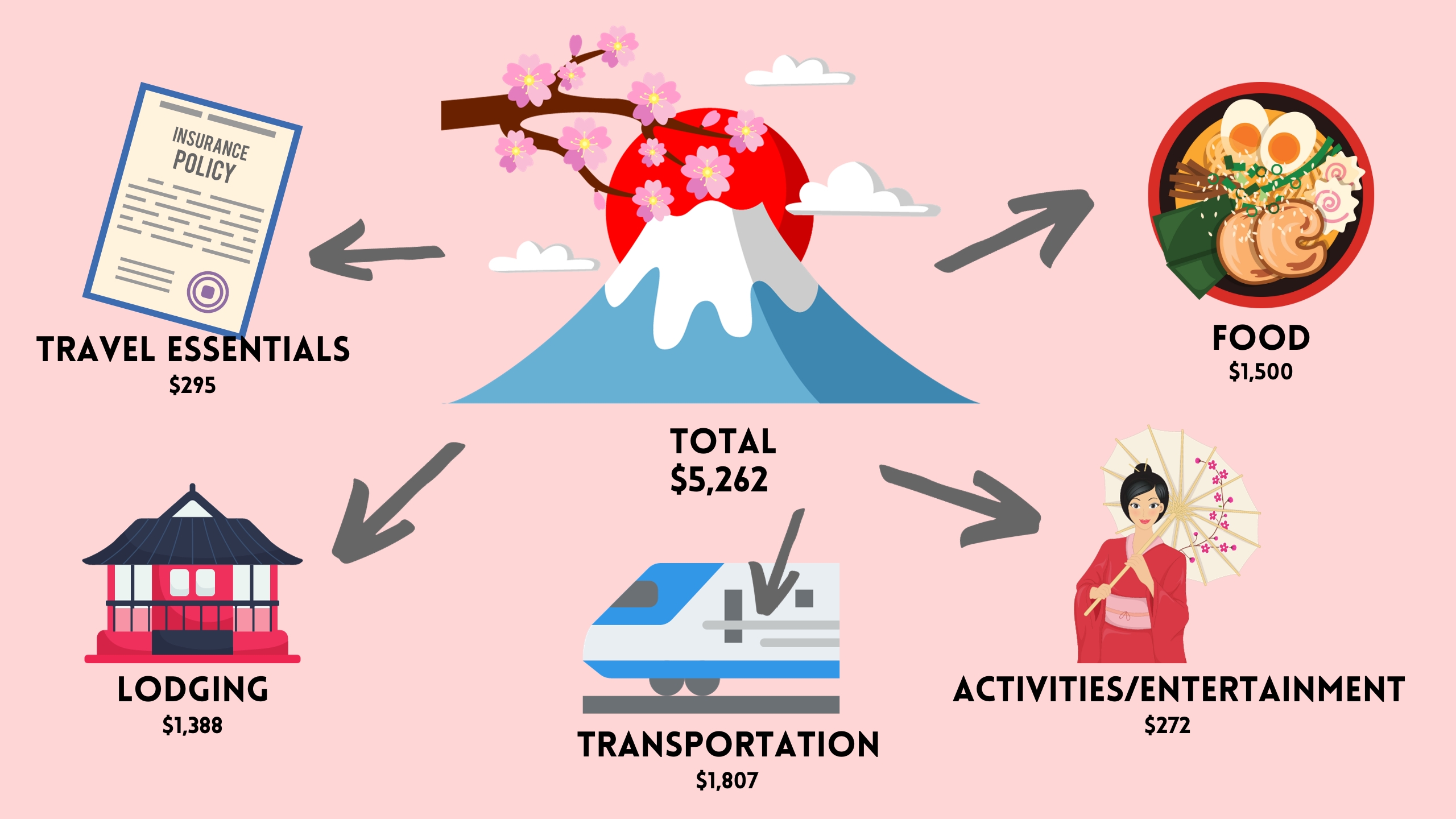
Japan offers a variety of lodging options to suit every budget and travel style.
Budget accommodations typically range from ¥3,000 to ¥8,000 ($20–$55 USD) per night. These include capsule hotels, hostels, and business hotels. Capsule hotels offer compact sleeping pods, especially popular in cities like Tokyo and Osaka.
Hostels provide shared dorms or private rooms, often with communal kitchens and lounges. Business hotels are basic but convenient, often located near train stations and ideal for short stays.
Mid-range hotels cost about ¥10,000 to ¥20,000 ($70–$140 USD) per night. These include 3-star hotels, Western chains, and boutique inns.
You’ll usually find comfortable rooms with private bathrooms, Wi-Fi, breakfast options, and other modern amenities. In some cities, love hotels can also serve as affordable and quirky options, especially for short stays.
Luxury accommodations start at ¥25,000 ($170 USD) per night and go well beyond. High-end hotels such as the Ritz-Carlton or Aman Tokyo offer world-class service, while traditional ryokan inns provide a more cultural experience.
Ryokans often feature tatami-mat rooms, futon bedding, hot spring baths (onsen), and multi-course kaiseki dinners.
To save money, consider booking early, traveling in the off-season, or staying in less tourist-heavy areas.
Airbnb and vacation rentals can also offer great value for families or groups. Japan’s efficient public transport system makes it easy to stay outside city centers and still get around conveniently.
Daily Food and Dining Expenses in Japan
Food in Japan is not only delicious but also surprisingly affordable, offering something for every budget. On average, most travelers spend between $20 to $60 USD per day on meals, depending on dining choices and frequency.
Budget travelers can eat well for as little as $15–$25 per day. Convenience stores like 7-Eleven, Lawson, and FamilyMart offer high-quality, ready-to-eat meals including rice balls (onigiri), sandwiches, and bento boxes for just a few dollars each.
Fast food chains such as Sukiya, Matsuya, and Yoshinoya serve hearty meals like gyudon (beef bowl) for around ¥400–¥700 ($3–$5 USD).
Mid-range travelers typically spend $30–$50 per day. This covers sit-down meals at ramen shops, curry houses, conveyor-belt sushi restaurants (kaiten-zushi), and izakayas (Japanese pubs). Main dishes at these places usually cost between ¥800–¥1,500 ($6–$12 USD).
High-end dining can push your daily food budget to $100 or more. Japan is home to many Michelin-starred restaurants and kaiseki (traditional multi-course) meals. A fine sushi omakase experience can cost ¥10,000–¥30,000 ($70–$200 USD+), depending on the chef and location.
Breakfast is often included at hotels or can be grabbed inexpensively from bakeries or convenience stores. Lunch sets (teishoku) are a great value, commonly priced around ¥1,000 ($7 USD) and include a main dish, rice, soup, and small sides.
Transportation Costs
Transportation in Japan is safe, efficient, and well-organized—but costs can add up depending on how far and how often you travel.
On average, travelers spend $10 to $40 USD per day on local and regional transport, with long-distance travel costing more.
Japan Rail Pass (JR Pass) is the most cost-effective option for tourists traveling between multiple cities.
A 7-day ordinary pass costs about ¥50,000 ($330 USD), allowing unlimited travel on most JR trains, including shinkansen (bullet trains). It can save a lot if you’re visiting places like Tokyo, Kyoto, Osaka, and Hiroshima.
If you’re staying in one city, local trains and subways are much cheaper. In Tokyo or Osaka, a typical subway or train ride costs ¥150–¥250 ($1–$2 USD). Day passes for unlimited rides are available for ¥600–¥1,000 ($4–$7 USD), depending on the city.
IC Cards (like Suica or Pasmo) are reloadable and can be used on trains, buses, and even for vending machines or convenience stores. They help avoid the hassle of buying individual tickets.
Taxis are widely available but expensive. Base fares start around ¥600–¥700 ($4–$5 USD), with additional charges per distance and time. Use them only when public transport isn’t an option.
Buses are economical for intercity travel if you’re on a tight budget. Highway buses between Tokyo and Kyoto, for example, can cost as little as ¥3,000–¥6,000 ($20–$40 USD), though they take longer than trains.
Airport transfers range from ¥1,000–¥3,000 ($7–$20 USD) for train or bus options, while private shuttles or taxis cost more.
Budget vs. Luxury
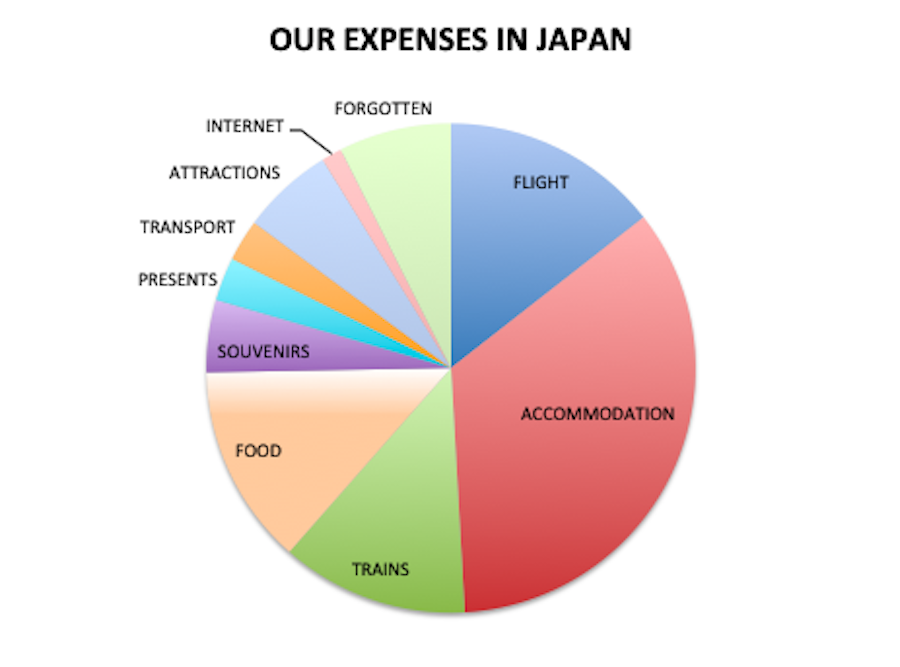
Japan caters to all types of travelers—from backpackers on a tight budget to luxury seekers looking for premium experiences.
Here’s a breakdown comparing typical costs for both travel styles:
Budget Travel (Approx. $100–$150 per day)
- Flights: $700–$1,000 (booked early, economy class)
- Accommodation: Hostels, capsule hotels, or business hotels for $30–$60 per night
- Food: Convenience store meals, ramen shops, conveyor-belt sushi—around $20–$30 per day
- Transportation: JR regional passes or local trains/subways—$10–$20 per day
- Activities: Free temples/shrines, walking tours, museums—$10–$20 per day
- Souvenirs/Extras: $10–$20
Total Estimate for 10 Days: $1,200–$1,800
Luxury Travel (Approx. $400–$800+ per day)
- Flights: $1,500–$2,500+ (business/first class)
- Accommodation: 5-star hotels or traditional ryokans with meals—$300–$600+ per night
- Food: Kaiseki dinners, Michelin-starred restaurants—$100+ per day
- Transportation: Green JR Pass (first class), taxis, private transfers—$30–$100 per day
- Activities: Private guided tours, premium cultural experiences, spa—$50–$200 per day
- Shopping/Extras: $50–$200
Total Estimate for 10 Days: $4,000–$8,000+
Final Thoughts
Traveling to Japan can be as affordable or as luxurious as you want it to be. With a wide range of options for flights, accommodation, food, and transportation, Japan is accessible to all kinds of travelers.
Budget-conscious visitors can comfortably explore the country for under $2,000 for a week, while those seeking premium experiences can enjoy top-tier hospitality, cuisine, and comfort.
Planning ahead is key—booking flights and hotels early, using rail passes strategically, and knowing where to save and where to splurge will go a long way.
Whether you’re wandering the ancient streets of Kyoto, dining on sushi in Tokyo, or relaxing in an onsen in the Japanese Alps, Japan offers unforgettable experiences at every price point.
