

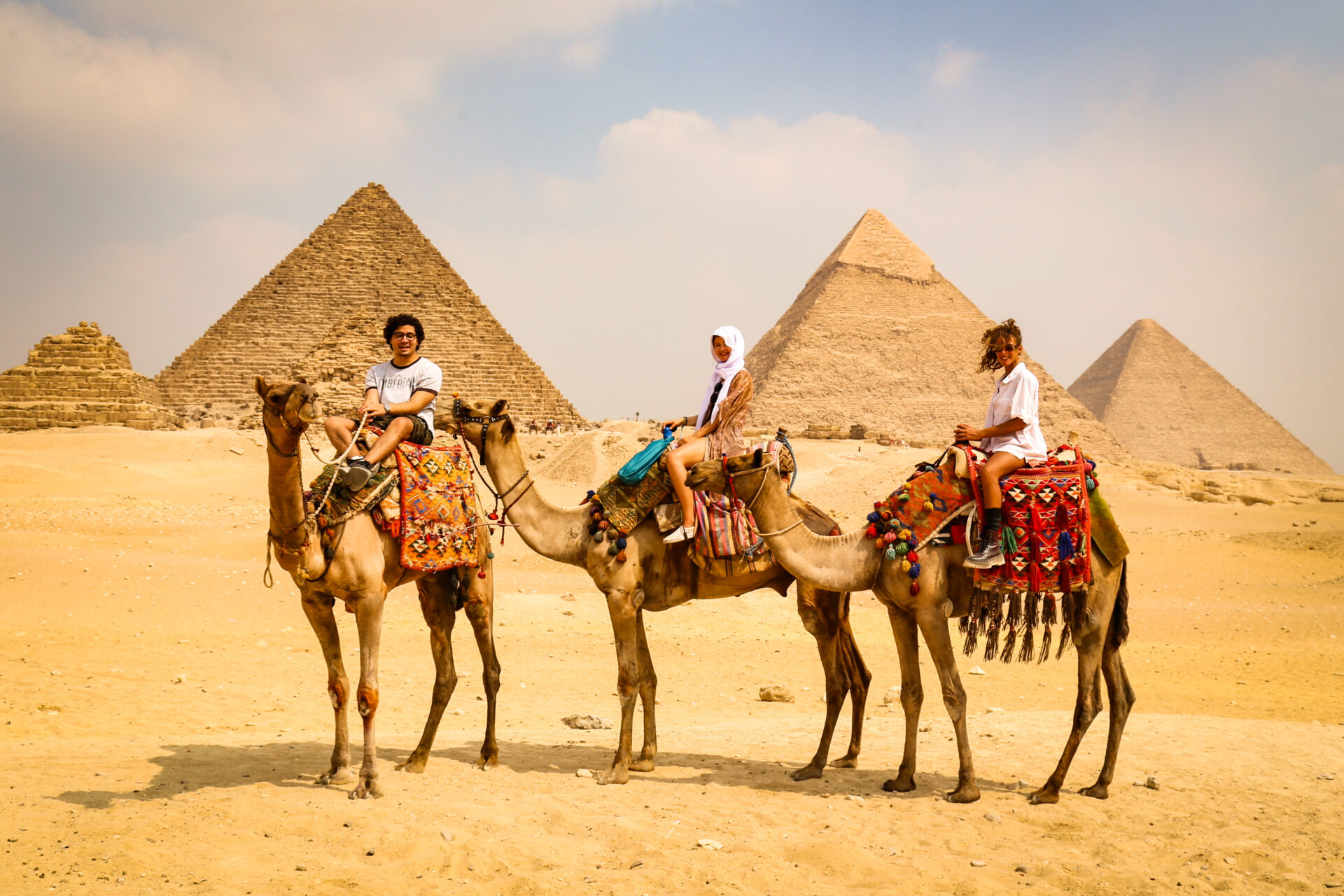
How to travel Egypt effectively starts with smart planning, cultural awareness, and knowing how to navigate its unique landscape.
Egypt offers an unforgettable mix of ancient wonders, vibrant markets, and breathtaking desert and river scenery—but to truly enjoy it, you’ll need to be strategic with your time and choices.
The best time to visit is between October and April when temperatures are milder, making sightseeing far more comfortable. Prioritize key destinations like Cairo, Luxor, Aswan, and the Red Sea, but be realistic about how much you can see in one trip. It’s better to explore a few places deeply than to rush through many.
Getting around Egypt efficiently may involve domestic flights, especially if you’re covering large distances like Cairo to Luxor or Aswan.
Within cities, Uber operates in Cairo and Alexandria, while taxis, trains, and buses are common elsewhere. Booking transportation and tours in advance can help avoid confusion or delays.
Respect local customs by dressing modestly and learning a few basic Arabic phrases. Avoid tap water, and be cautious with street food unless it’s freshly cooked. Bargaining is expected in markets, so don’t be shy to negotiate.
Plan Your Itinerary Around Key Attractions
To travel Egypt effectively, planning your itinerary around the country’s key attractions is essential. Egypt is rich in historical and cultural landmarks, but distances between sites can be vast, and overpacking your schedule can lead to burnout.
Start by identifying your top priorities—such as the Pyramids of Giza, the Sphinx, the Egyptian Museum in Cairo, the Valley of the Kings in Luxor, and the temples of Abu Simbel.
Cairo is a natural starting point, offering a blend of ancient and modern attractions. Allocate at least two to three days to explore the city’s museums, mosques, and iconic pyramids.
From there, consider heading south to Luxor, home to Karnak Temple, Luxor Temple, and the West Bank’s famous tombs. Aswan, further south, is quieter and known for the stunning Philae Temple and access to Abu Simbel.
If you’re seeking relaxation or water activities, the Red Sea resort towns like Hurghada or Sharm El Sheikh offer beautiful beaches and world-class diving.
When planning your route, group destinations geographically to minimize travel time. Consider booking a Nile cruise from Luxor to Aswan, which combines transport with sightseeing and adds a unique experience to your trip. A well-structured itinerary will help you enjoy Egypt’s highlights at a comfortable, rewarding pace.
Best Time to Visit Egypt for Comfort and Savings
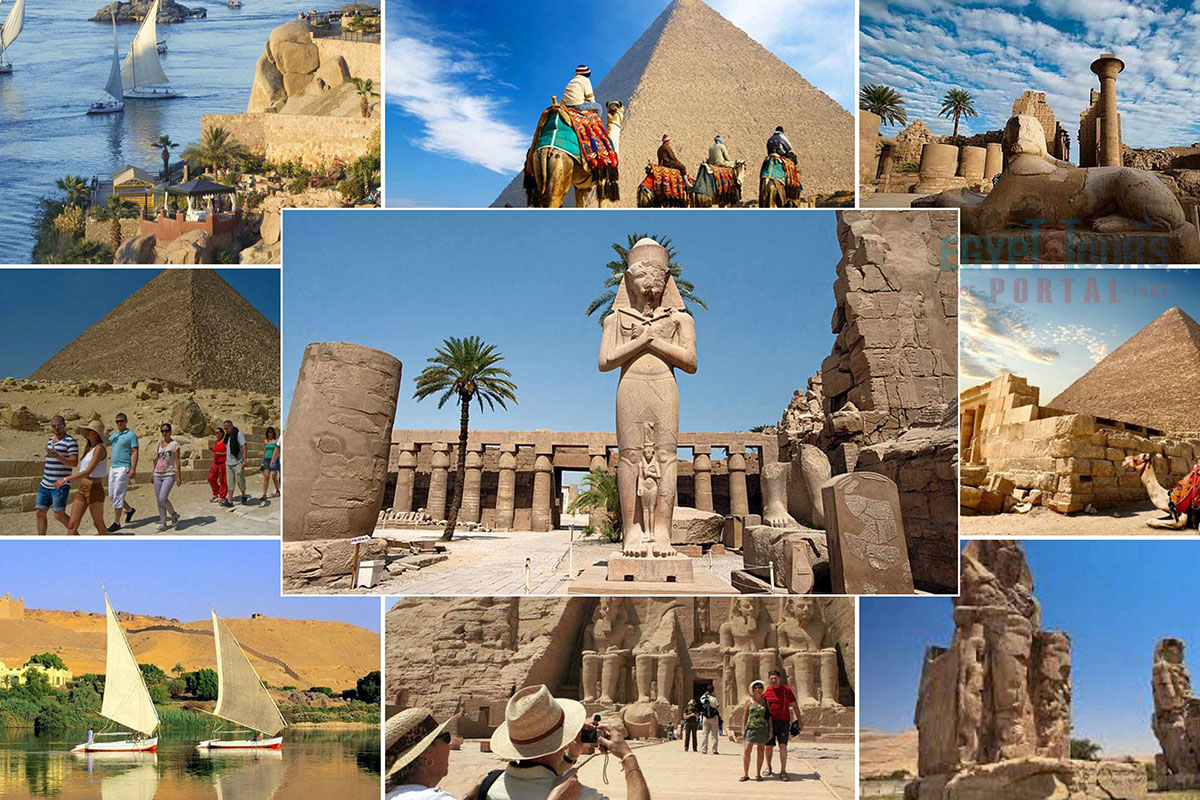
The best time to visit Egypt for both comfort and savings is between October and April. During these cooler months, temperatures are more manageable—especially in popular areas like Cairo, Luxor, and Aswan—making it much easier to explore ancient ruins, take desert excursions, and enjoy Nile cruises without the discomfort of extreme heat.
November through February is considered Egypt’s peak tourist season due to the mild weather, so while the climate is ideal, you may encounter larger crowds and slightly higher prices, especially around holidays like Christmas and New Year.
To balance comfort with cost, consider traveling in the shoulder seasons—late October to mid-November or March to early April. During these times, you can still enjoy pleasant weather while avoiding peak season rates and long lines at major attractions.
Summer months (June to August) offer the lowest prices on flights and accommodations, but the sweltering heat—especially in Upper Egypt—can make sightseeing difficult and potentially unsafe if not managed carefully. However, coastal resorts along the Red Sea can still be enjoyable thanks to sea breezes.
Navigating transportation in Egypt efficiently is key to maximizing your time and staying stress-free while exploring the country’s rich history and culture. Egypt offers a variety of transportation options, but the best choice depends on your budget, travel style, and the distance between destinations.
For intercity travel, especially between major hubs like Cairo, Luxor, and Aswan, domestic flights are the fastest and most convenient option. EgyptAir and other local carriers offer frequent routes at reasonable prices, especially when booked in advance.
Trains are also available and provide a more scenic, budget-friendly alternative—overnight sleeper trains from Cairo to Luxor or Aswan are popular among travelers.
Within cities, Uber operates in Cairo and Alexandria and is often more reliable and transparent than local taxis.
In areas without ride-hailing services, taxis are widely available—just be sure to agree on the fare in advance or request the meter be used. Microbuses and public buses are very inexpensive but can be crowded and confusing for first-time visitors.
In more touristy zones, private drivers and guided tours are commonly used for day trips and can be a smart choice for comfort and safety. Planning your routes ahead of time ensures a smoother, more enjoyable journey through Egypt.
Choosing the Right Accommodation for Your Needs
Choosing the right accommodation in Egypt is crucial for both comfort and convenience, and it largely depends on your travel goals, budget, and preferred travel style. Egypt offers a wide range of lodging options—from luxury resorts and international hotels to budget-friendly guesthouses and boutique stays.
If you’re visiting historical sites in Cairo, consider staying in areas like Zamalek or Garden City, which are centrally located, safe, and offer easy access to key attractions.
Luxury hotels near the Nile or the Pyramids of Giza provide stunning views and high-end amenities, while mid-range hotels and hostels near downtown Cairo are ideal for budget-conscious travelers.
For those exploring ancient Egypt in Luxor or Aswan, riverside hotels and traditional guesthouses offer scenic views and immersive experiences.
Nile cruise ships, which double as both transportation and accommodation, are a popular and efficient way to travel between these cities while enjoying guided stops at temples and tombs along the way.
In beach destinations like Hurghada or Sharm El Sheikh, you’ll find all-inclusive resorts perfect for relaxation, diving, and snorkeling. These are especially convenient for families or honeymooners seeking a worry-free escape.
Essential Safety Tips for Travelers in Egypt
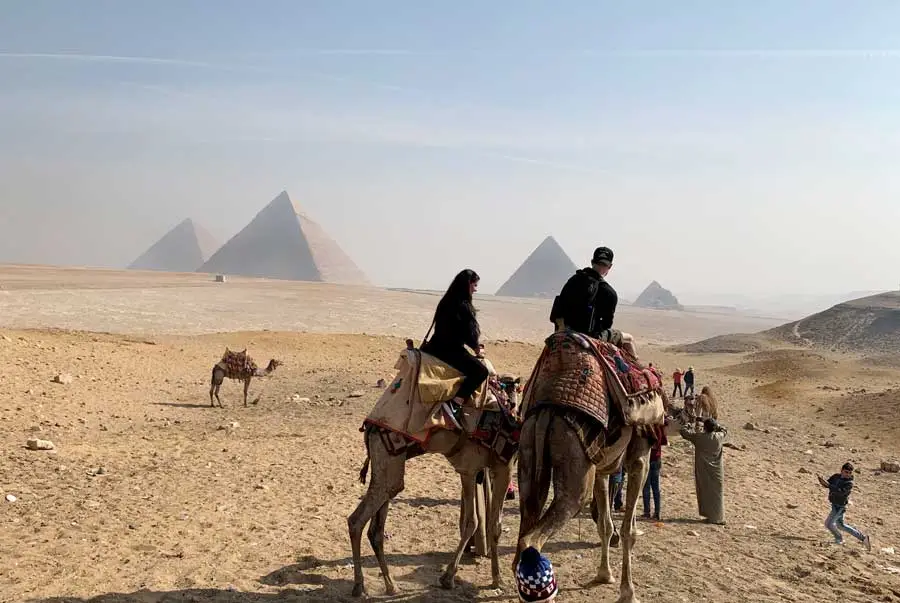
Traveling to Egypt can be a richly rewarding experience, but like visiting any foreign country, staying safe requires awareness and preparation.
Here are some essential safety tips for travelers in Egypt:
- Stay Aware in Crowded Areas: Tourist sites, markets, and public transport can be targets for pickpockets. Keep your belongings close, avoid displaying valuables, and use anti-theft bags when possible.
- Dress Modestly: Egypt is a predominantly Muslim country, and dressing conservatively—especially in rural areas and religious sites—shows respect and helps you avoid unwanted attention.
- Use Reputable Transportation: Opt for licensed taxis, ride-sharing apps like Uber (available in Cairo and Alexandria), or pre-arranged drivers through your hotel or tour provider.
- Avoid Political Demonstrations: While protests are less common now, it’s still wise to steer clear of large gatherings and follow local news or travel advisories.
- Drink Bottled Water: Tap water isn’t considered safe for travelers. Stick to bottled or filtered water, and be cautious with ice, salads, and uncooked street food.
- Respect Local Customs: Learn basic Arabic greetings, avoid public displays of affection, and always ask permission before photographing locals.
- Secure Travel Insurance: Make sure you have comprehensive travel insurance that covers health care, theft, and unexpected changes in plans.
Understanding Local Customs and Etiquette
To travel Egypt effectively and respectfully, it’s important to understand the local customs and cultural etiquette.
Egypt is a predominantly Muslim country with deeply rooted traditions, and showing cultural awareness will enhance your experience while helping you avoid unintentional offense.
Dress Modestly: Both men and women are expected to dress conservatively, especially in rural areas or religious sites. Women should cover their shoulders and knees, while men should avoid wearing sleeveless shirts. In beach resorts like Sharm El Sheikh or Hurghada, dress codes are more relaxed.
Greetings and Interactions: Handshakes are common, but always wait for the other person—especially if they are of the opposite gender—to initiate. A polite “As-salamu alaykum” (peace be upon you) goes a long way. Avoid overly affectionate gestures in public, such as kissing or hugging.
Hospitality: Egyptians are known for their hospitality. If invited to someone’s home, it’s customary to bring a small gift such as sweets or pastries. Always accept food or drink graciously, even if you don’t intend to consume much.
Religious Respect: During prayer times or Ramadan, be extra mindful of your behavior—avoid eating or drinking in public during daylight hours out of respect.
How to Avoid Tourist Scams and Stay Secure
While Egypt is generally safe for tourists, scams can occur—especially in heavily visited areas like the Pyramids of Giza, Khan El-Khalili market, and major transportation hubs.
Being informed and cautious can help you steer clear of common pitfalls and enjoy your trip with peace of mind.
Beware of “Helpful” Strangers: Some individuals may approach you offering unsolicited help, tours, or directions, then demand a tip. Be polite but firm, and decline assistance unless it’s from an official guide or clearly identified staff.
Avoid Overpriced Camel and Carriage Rides: Always agree on a price before accepting any service, whether it’s a camel ride, a horse-drawn carriage, or a taxi. Insist on the full cost upfront, and be wary of upselling once you’re in motion.
Watch Out for Fake Tickets or “Extra Fees”: At popular sites, unofficial guides may try to sell fake tickets or charge for areas that are actually included. Always purchase tickets from the official counters.
Shop Smart: Bargaining is expected in markets, but some vendors may inflate prices dramatically. Know the approximate value of goods, negotiate respectfully, and be ready to walk away if something feels off.
Keep Your Belongings Secure: Use anti-theft bags, avoid flashy jewelry, and carry only what you need for the day. Pickpocketing can occur in crowded spaces.
Booking Tours and Excursions
When exploring Egypt’s ancient wonders and modern marvels, booking tours and excursions can greatly enhance your experience—especially for first-time travelers. Whether you’re visiting the pyramids, cruising the Nile, or venturing into the Sahara, organized tours offer convenience, safety, and insightful guidance.
Choose Reputable Providers: Always book with licensed tour companies or through trusted platforms and hotels. Look for operators with consistently high reviews and clear itineraries. Avoid unlicensed street vendors offering “last-minute deals,” as these can lead to rushed or low-quality experiences.
Consider Private vs. Group Tours: Private tours provide a personalized experience with flexibility in schedule and attention. Group tours are usually more affordable and a great way to meet other travelers, though they may follow stricter timelines.
Know What’s Included: Before booking, confirm exactly what the price covers—entrance fees, meals, transportation, and tips. Some tours may appear cheap initially but come with surprise costs later.
Ask About Guides: A knowledgeable guide can bring Egypt’s history to life. Make sure your guide is certified and fluent in your language to get the most from the experience.
Conclusion
How to travel Egypt effectively boils down to thoughtful planning, cultural respect, and staying safe while embracing the adventure.
Egypt offers a treasure trove of historical landmarks, stunning landscapes, and vibrant local life that captivates travelers worldwide. To truly enjoy this rich destination, preparation is key.
First, organizing your itinerary around Egypt’s iconic sites such as the Pyramids of Giza, Luxor’s temples, and the Valley of the Kings ensures you cover the highlights without feeling rushed. Prioritizing these experiences helps you make the most of your limited time.
Also, consider the best time to visit — generally between October and April — when the weather is cooler and more comfortable for sightseeing.
Transportation in Egypt can vary widely in terms of convenience and comfort. Domestic flights and sleeper trains are popular choices for longer distances, while Uber and taxis serve well within cities. Selecting reliable transportation options reduces stress and helps you focus on enjoying your journey.
Accommodation choices should align with your travel style and budget, whether you prefer luxury hotels with Nile views, cozy guesthouses, or the unique experience of a Nile cruise. Staying close to your main points of interest saves travel time and energy.
Safety is paramount. Being aware of common scams, dressing modestly, and respecting local customs will help you blend in and avoid unwanted attention. Understanding cultural etiquette enhances interactions with locals and enriches your travel experience.
Finally, booking tours and excursions through reputable providers ensures knowledgeable guides and hassle-free logistics, making complex sites easier to explore.
