

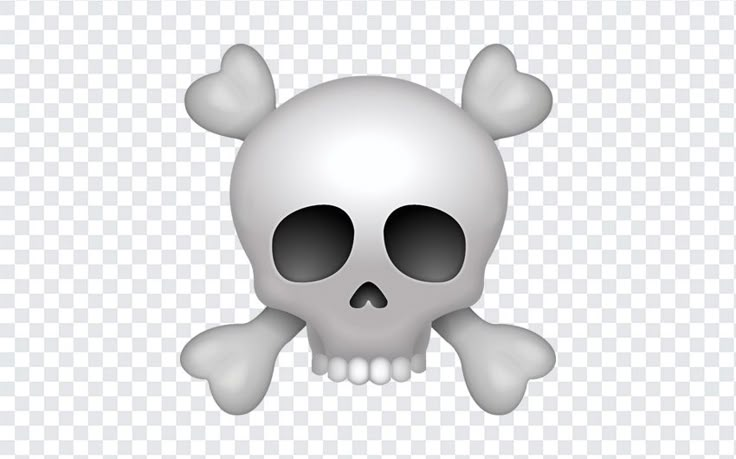
iPhone skull emoji 💀 dominates modern texting as the ultimate symbol for uncontrollable laughter, shock, and ironic detachment. In 2025, it consistently ranks in the top 10 most-used emojis worldwide, with billions sent daily across messaging apps and social platforms.
The iPhone skull emoji features a distinctive white cartoon skull with large black eye sockets and subtle shading, making it instantly recognizable and emotionally versatile on all iOS devices.
This single glyph has shifted from its original literal meaning of death to become Gen Z and Gen Alpha’s preferred way to say “I’m dead” from laughing too hard. With over 3,953 emojis available in the current Unicode standard, the iPhone skull emoji stands out for its clean Apple design and unmatched ability to convey exaggerated reactions efficiently.
Origins and Unicode History of the iPhone Skull Emoji
The iPhone skull emoji entered Unicode 6.0 in 2010, officially named “Skull” with the code point U+1F480. Apple first implemented emoji support in iOS 2.2 in 2008 for Japanese markets, but widespread adoption came later.

Early designs were simpler, but Apple’s signature rounded, softly shaded style emerged over iterations. By iOS 18 in 2025, the iPhone skull emoji receives minor refinements for better contrast on OLED screens while maintaining its friendly yet edgy appearance.
This evolution reflects broader emoji standardization efforts, ensuring the iPhone skull emoji remains consistent and expressive across generations of devices.
Core Meanings of the iPhone Skull Emoji in 2025
Today, the iPhone skull emoji overwhelmingly means “dying of laughter” or “I’m dead” in response to something hilariously shocking or embarrassing. It surpasses traditional laughing emojis for younger users seeking more dramatic emphasis.
Secondary meanings include literal references to death during Halloween or serious discussions, and figurative uses like “my battery is dead” or “socially dead” from cringe moments. Its blank stare adds perfect ironic tone.
Context determines everything: humorous threads favor laughter interpretation, while somber ones lean literal.
iPhone Skull Emoji vs Skull and Crossbones: Clear Distinctions
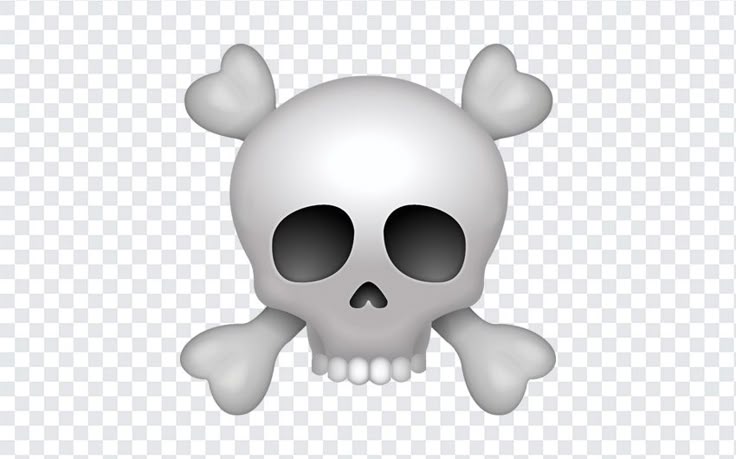
Many confuse the iPhone skull emoji 💀 with the skull and crossbones ☠️, but they serve entirely different purposes. The single skull focuses on personal emotional reactions, while crossbones evoke danger and piracy.
Comparison table for clarity:
| Aspect | iPhone Skull Emoji 💀 | Skull and Crossbones ☠️ |
| Visual Elements | Single white skull | Skull atop crossed bones |
| Primary Intent | Humor, shock, laughter | Warning, poison, pirates |
| Typical Contexts | Texts, memes, reactions | Safety labels, Halloween themes |
| 2025 Frequency | Extremely high | Relatively low |
Understanding this prevents unintended serious tones.
Effective Ways to Use iPhone Skull Emoji in Texts
Deploy the iPhone skull emoji after peak punchlines or shocking reveals for maximum impact. Single use conveys strong reaction; multiples like 💀💀💀 amplify intensity.
Best practices include:
- Reacting to funny videos or stories
- Acknowledging embarrassing personal anecdotes
- Adding ironic commentary to absurd situations
On iPhones, quick access comes from typing “skull” in the predictive bar or searching the emoji keyboard.
Why iPhone Skull Emoji Dominates Gen Z Communication
Gen Z propelled the iPhone skull emoji to stardom by embracing dark humor and exaggeration post-2020. It fits their preference for concise, visually striking responses over lengthy text.
In 2025, it functions almost as punctuation, signaling “this killed me” without explanation. Analytics show highest usage in 18-24 age groups across global platforms.
Its detached expression perfectly matches ironic online culture.
Role of iPhone Skull Emoji in Viral Memes
Memes rely heavily on the iPhone skull emoji to underscore relatable failures, mind-blowing facts, or hilariously bad decisions. Reaction chains often feature strings of skulls.
Common meme patterns:
- Captioning awkward screenshots
- Responding to viral cringe compilations
- Marking “end of career” moments in celebrity news
The iPhone skull emoji adds instant comedic timing to static images.
Powerful Combinations Featuring iPhone Skull Emoji
Strategic pairings expand the iPhone skull emoji‘s expressive range dramatically.
Top combinations table:
| Combination | Interpretation | Best Scenarios |
| 💀😂 | Classic dying laughing | Everyday funny texts |
| 💀💀💀 | Extreme overwhelming hilarity | Viral content reactions |
| 💀😭 | Tears from laughter or shock | Emotional peaks |
| 💀🔥 | Deadly impressive or hot | Compliments, hype |
| 💀🤦♀️ | Embarrassed to death | Personal fails |
These enhance nuance without additional words.
Platform Variations of the Skull Emoji Design
Apple’s iPhone skull emoji prioritizes soft, approachable cartoon styling with gentle gradients. Android counterparts often appear sharper or more realistic.
Cross-platform improvements in 2025 minimize discrepancies, but Apple’s version remains preferred for its balanced friendliness. Windows and web renderings lean toward flatter designs.
Consistency grows yearly through Unicode updates.
Generational Differences in Interpreting iPhone Skull Emoji
Older generations sometimes read the iPhone skull emoji literally as death or threat, causing occasional misunderstandings. Younger users universally recognize humorous intent.
In 2025, this gap narrows as digital natives age, but context clues remain essential across demographics.
Clear accompanying text prevents misreads in mixed-age conversations.
Common Mistakes When Using iPhone Skull Emoji
Overuse diminishes impact—reserve the iPhone skull emoji for genuinely extreme reactions. Inappropriate contexts like condolences risk offense.
Other pitfalls:
- Assuming universal humor interpretation
- Spamming without contributing substance
- Pairing poorly with serious topics
Moderation maintains its effectiveness.
iPhone Skull Emoji in Gaming Culture Reactions
Gaming communities embrace the iPhone skull emoji for instant “dead” responses to epic fails, clutch plays, or toxic teammates. Chat spam during streams often features skull floods.
It conveys speechless awe or frustration perfectly in fast-paced environments. Esports commentators reference it for memorable moments.
Seasonal Peaks for iPhone Skull Emoji Usage
Halloween drives temporary spikes as the iPhone skull emoji reverts to spooky origins alongside pumpkins and ghosts. Day of the Dead celebrations also boost authentic death-related uses.
Beyond October, humor remains dominant year-round. 2025 data shows consistent baseline with holiday surges.
Future Outlook for iPhone Skull Emoji Relevance

The iPhone skull emoji shows remarkable staying power despite new emoji releases. Its simple, versatile design ensures longevity.
Predictions suggest continued top-tier ranking through 2030 as younger generations maintain slang evolution. Potential animated variants may emerge in messaging features.
FAQs About iPhone Skull Emoji
What is the main meaning of iPhone skull emoji today?
It primarily signals “I’m dying of laughter” or extreme shock, far surpassing literal death interpretations among younger users.
How does iPhone skull emoji differ from skull and crossbones?
Single skull focuses on personal humorous reactions; crossbones indicate danger or piracy themes.
Why do people repeat the iPhone skull emoji multiple times?
Repetition intensifies the reaction, showing escalating levels of hilarity or disbelief.
Is Apple’s iPhone skull emoji design special?
Yes, its soft cartoon shading creates a more approachable, friendly appearance than sharper alternatives.
Can iPhone skull emoji cause misunderstandings?
Occasionally with older users who interpret it literally; context usually clarifies humorous intent.
What are effective iPhone skull emoji combinations?
Popular ones include 💀😂 for classic laughter and 💀💀💀 for overwhelming reactions.
Will iPhone skull emoji remain popular long-term?
Absolutely, its versatility and cultural embedding guarantee sustained relevance.
Conclusion on iPhone Skull Emoji
The iPhone skull emoji 💀 has revolutionized digital expression in 2025, evolving from a simple death symbol into the definitive marker of uncontrollable laughter and dramatic reactions. Its clean Apple design, combined with generational slang shifts, positions it as an indispensable communication tool across texts, memes, and social interactions worldwide. From casual conversations to viral moments, this emoji captures nuanced emotions with remarkable efficiency.
As digital language continues advancing, the iPhone skull emoji exemplifies how single glyphs can carry rich cultural meaning. Its adaptability across contexts—from humor to occasional literal use—ensures ongoing dominance in emoji hierarchies.
- Key takeaways:
- Primary modern meaning centers on extreme laughter reactions.
- Context and combinations unlock full expressive potential.
- Distinguish clearly from danger-oriented skull and crossbones.
- Use strategically to maintain impact and avoid misinterpretation.
- Expect continued cultural significance for years ahead.
