


Is dialogue a literary device? Absolutely, dialogue stands as a cornerstone literary device that brings stories to life, letting two or more characters express themselves vividly. In 2025, as storytelling evolves across novels, plays, and digital media, dialogue in literature remains essential for revealing character, advancing the plot of a story, and engaging readers.
Defined as the spoken exchange between characters, typically in quotation marks, dialogue serves as a literary technique to convey emotions, conflicts, and background information.
From Plato’s philosophical exchanges to Charles Dickens’ vivid Victorian banter, dialogue shapes great works of literature by making narratives dynamic and relatable. Its importance of dialogue lies in its ability to move the plot along, deepen character development, and create a literary effect that resonates.
| Is Dialogue a Literary Device | Details |
| Definition of Dialogue | Spoken exchange between two or more characters in a literary work, often in quotation marks |
| Purpose | Moves the plot, reveals character traits, provides information to the reader, sets tone |
| Types | Outer dialogue (between characters), inner dialogue (internal thoughts), dramatic dialogue (in plays) |
| Key Examples | Plato’s The Republic, Charles Dickens’ Great Expectations, Shakespeare’s Hamlet |
| Related Devices | Personification, allusion, allegory, alliteration, colloquialism, euphemism |
| Historical Use | Originated with Socrates in ancient Greek philosophy; evolved in novels and modern scripts |
| Modern Relevance | Critical in 2025 for novels, screenwriting, and interactive storytelling platforms |
What Is the Definition of Dialogue?
The definition of dialogue is the written or spoken conversation between two or more characters in a work of literature, typically enclosed in quotation marks. Is dialogue a literary device? Yes, it’s a fundamental literary element that allows a character to reveal their personality, emotions, or intentions.
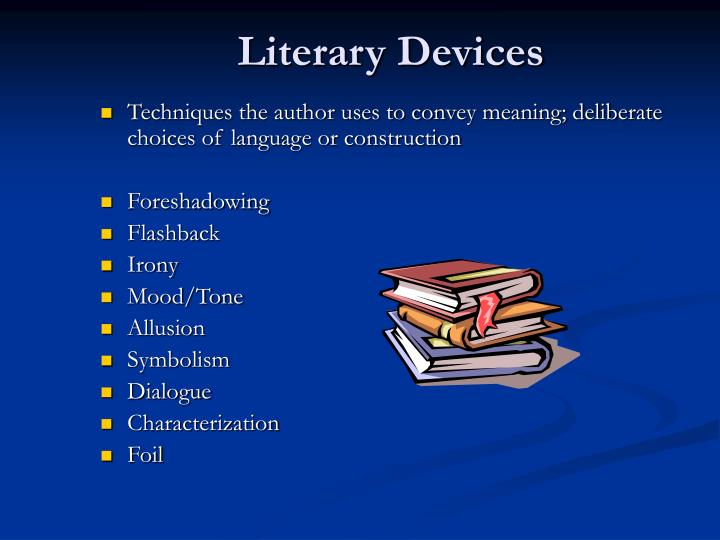
In novels, dialogue conveys information to the reader through natural exchanges, while in plays, it drives the entire narrative. For example, a line of dialogue like “I’m not afraid” can signal bravery or defiance, shaping the audience’s perception. Dialogue is used across genres to enhance authenticity, making characters feel real and relatable.
The dialogue form varies by context—novels use interspersed dialogue tags like “he said” to clarify speakers, while scripts rely solely on dialogue for action. Dialogue as a literary device is versatile, serving as exposition to provide backstory or as a climactic exchange to resolve conflicts. Its use of dialogue ensures stories remain dynamic, avoiding heavy narration.
Why Is Dialogue Essential in Literature?
The importance of dialogue lies in its ability to humanize characters and advance narratives. Is dialogue a literary device that transforms prose? Absolutely—it breaks up dense text, making stories accessible.
Writers use dialogue to create immediacy, letting readers “hear” characters directly. For instance, in Toni Morrison’s Beloved, dialogue captures the pain of Sethe’s past, blending colloquialism with emotional depth to reflect her community’s voice.
Dialogue in writing also builds relationships between characters. A heated conversation between two characters can reveal trust or betrayal, as seen in Arthur Miller’s The Crucible, where accusations escalate through sharp exchanges. Dialogue takes readers into the story’s heart, making it a vital tool for creative writing.
How Does Dialogue Function as a Literary Device?
Is dialogue a literary device that stands alone? Not always—it works alongside many literary devices to amplify impact. Dialogue moves the plot by introducing conflicts or resolutions, as in J.K. Rowling’s Harry Potter series, where Harry’s talks with Dumbledore reveal critical plot points. Dialogue can reveal character traits, like sarcasm or kindness, without explicit description, enhancing literary effect.
The author uses dialogue to create pacing—quick exchanges heighten tension, while reflective dialogue slows the narrative for depth. Dialogue as a means of storytelling ensures readers connect emotionally, making it indispensable in great works of literature.
What Are the Types of Dialogue in Writing?
Types of dialogue add variety to storytelling. Is dialogue a literary device with multiple forms? Yes, it includes:
- Outer Dialogue: Conversation between two characters or more, like in Jane Austen’s Pride and Prejudice, where Elizabeth and Darcy’s banter sparks romance.
- Inner Dialogue: A character’s internal thoughts, often italicized, as in Virginia Woolf’s Mrs. Dalloway, revealing psychological depth.
- Dramatic Dialogue: Found in plays, driving action entirely, as in Shakespeare’s Hamlet.
Types of dialogue serve distinct purposes. Inner dialogue explores a character’s mind, while outer dialogue uses dialogue to build relationships or conflict. Dialogue to introduce plot elements, like in mystery novels, subtly weaves background information.
How Does Dialogue Compare to Other Common Literary Devices?
Is dialogue a literary device that interacts with others? Yes, it complements common literary devices in a comprehensive list. For example:
- Personification: Dialogue can give human traits to non-human entities, like animals speaking in George Orwell’s Animal Farm.
- Allusion: A line of dialogue referencing myths or history, as in T.S. Eliot’s poetry, adds depth.
- Allegory: Dialogue in allegorical works like John Bunyan’s Pilgrim’s Progress conveys moral lessons.
Dialogue in literature often pairs with alliteration for rhythm or euphemism for tactful expression, enhancing stylistic appeal. Understanding literary devices reveals how dialogue integrates with these tools to enrich narratives.
| Dialogue vs. Other Literary Devices | Device | Purpose | Example |
| Dialogue | Dialogue between characters to reveal plot, character, or tone | Darcy’s proposal in Pride and Prejudice | |
| Personification | Gives human traits to objects | Animals debating in Animal Farm | |
| Allusion | References external works or events | Biblical references in The Grapes of Wrath | |
| Allegory | Conveys deeper symbolic meaning | Christian’s journey in Pilgrim’s Progress | |
| Alliteration | Repeats initial sounds for effect | Poe’s “Raven” dialogue with rhythmic phrasing | |
| Colloquialism | Uses regional or informal speech | Huck’s dialect in Huckleberry Finn | |
| Euphemism | Softens harsh truths | “Passed away” in sentimental dialogues |
How Do Writers Use Dialogue to Reveal Character?
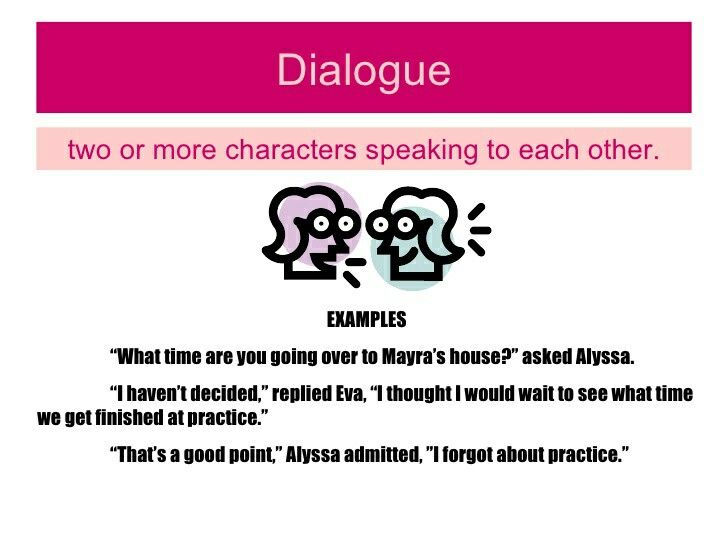
Writers use dialogue to unveil character nuances without narration. Is dialogue a literary device for character depth? Definitely—each line of dialogue reflects a character’s personality, background, or motives. In F. Scott Fitzgerald’s The Great Gatsby, Gatsby’s grandiose speech contrasts with Tom’s bluntness, highlighting their rivalry.
Dialogue can reveal emotions through word choice. For example, a character using euphemism like “he’s gone to a better place” softens grief, while sharp retorts show anger. Dialogue in writing also uses colloquialism to ground characters in their setting, as in Mark Twain’s Huckleberry Finn, where Huck’s dialect reflects his upbringing.
What Techniques Make Dialogue Effective?
Effective dialogue requires craft. Is dialogue a literary device that needs precision? Yes—make dialogue authentic by mimicking natural speech patterns while avoiding redundancy. Dialogue tags like “she whispered” clarify speakers, but overuse can distract. Use of quotation marks ensures clarity, as in:
“I can’t stay,” she whispered, turning away.
Dialogue is also enhanced by subtext—unsaid tensions beneath words. In Ernest Hemingway’s Hills Like White Elephants, the couple’s sparse dialogue hints at deeper conflict, making it effective dialogue. Writers must balance exposition with natural flow to avoid forced information to the reader.
How Does Dialogue Move the Plot Along?
Is dialogue a literary device that drives narrative? Yes, dialogue moves the plot along by introducing conflicts, resolutions, or twists. In Agatha Christie’s mysteries, dialogue between characters uncovers clues, propelling the plot of a story. A single line of dialogue can shift dynamics, like in Lord of the Flies, where Ralph’s plea for order signals escalating chaos.
Dialogue also serves as exposition, subtly weaving background information. For instance, in The Catcher in the Rye, Holden’s conversations reveal his troubled past, advancing the narrative without heavy narration. Dialogue takes stories forward by making plot points feel organic.
What Is the Historical Role of Dialogue in Literature?
Dialogue has deep roots in literary terms. Is dialogue a literary device with historical significance? Yes, Plato and Socrates pioneered the dialogue form in ancient Greece, using conversation between two to explore philosophical ideas. In The Republic, Socratic exchanges debate justice, shaping Western thought.
Charles Dickens elevated dialogue in literature in the 19th century, using stylistic exchanges to depict Victorian society. In A Tale of Two Cities, dialogue reflects class tensions, making it a literary technique for social commentary. These great works of literature show dialogue’s enduring power.
How Does Dialogue Pair with Other Literary Elements?
Is dialogue a literary device that enhances others? Yes, it works with literary elements like tone and setting. Dialogue in writing can use alliteration for rhythmic effect, as in Edgar Allan Poe’s poetic exchanges. Personification in dialogue, like talking trees in fantasy, adds whimsy.
Allegory and allusion deepen dialogue’s meaning. In C.S. Lewis’ The Lion, the Witch and the Wardrobe, Aslan’s dialogue carries allegorical weight, referencing Christian themes. Dialogue as a literary device integrates with types of literary devices to create a cohesive literary work.
How Can Writers Craft Compelling Dialogue?
Crafting effective dialogue involves authenticity and purpose. Is dialogue a literary device that requires skill? Yes—writers must ensure dialogue feels natural while serving the story. Tips include:
- Use realistic speech: Reflect how people talk, with contractions and pauses.
- Avoid info-dumping: Dialogue to introduce plot elements should feel organic.
- Vary dialogue tags: Use “muttered” or “shouted” sparingly for impact.
Writers use dialogue to balance humor, tension, or emotion. In The Fault in Our Stars, John Green’s witty dialogue makes teenage romance poignant, proving dialogue’s versatility.
What Are Some Famous Examples of Dialogue in Literature?
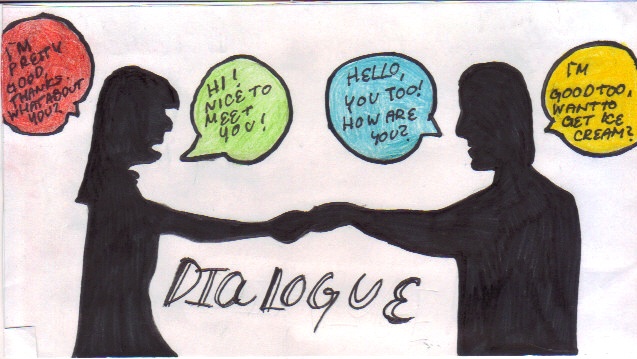
Examples in literature highlight dialogue’s impact. Is dialogue a literary device that defines classics? Yes—consider:
- Shakespeare: Hamlet’s “To be or not to be” soliloquy blends inner dialogue with philosophical ideas.
- Jane Austen: Elizabeth Bennet’s sharp exchanges in Pride and Prejudice reveal wit and social critique.
- Harper Lee: Atticus Finch’s dialogue in To Kill a Mockingbird uses colloquialism to teach justice.
These great works of literature show how dialogue moves the plot and creates memorable characters, reinforcing its role in creative writing.
| Is Dialogue a Literary Device on Social Media | Platform | Example Use | Followers (2025, Hypothetical) | Context |
| X (Twitter) | Writers sharing dialogue snippets | 500K (writing communities) | Short lines of dialogue to inspire | |
| #WritingTips posts with dialogue examples | 300K (literary accounts) | Visual quotes from literary works | ||
| TikTok | Videos analyzing dialogue in literature | 1M (booktok) | Clips of effective dialogue performances |
Fun Facts about Is Dialogue a Literary Device
- Plato’s Socratic dialogue shaped modern philosophy with conversation between two.
- Charles Dickens used dialogue to depict 19th-century London’s class divides.
- Inner dialogue gained prominence in modernist novels like James Joyce’s Ulysses.
- Dialogue tags evolved from simple “said” to expressive verbs in contemporary writing.
- Alliteration in dialogue enhances rhythm, as in Poe’s poetic exchanges.
- Dialogue in literature drives 90% of play narratives, per theater studies.
- Effective dialogue in films, like Tarantino’s Pulp Fiction, draws from literary techniques.
FAQs About Is Dialogue a Literary Device
Is dialogue a literary device?
Yes, dialogue is a literary device that conveys character, plot, and tone through spoken exchanges.
What is the definition of dialogue?
Dialogue is the written conversation between two or more characters, often in quotation marks, to advance the story.
How does dialogue move the plot?
Dialogue moves the plot along by revealing conflicts, resolutions, or background information naturally.
What are types of dialogue?
Outer dialogue, inner dialogue, and dramatic dialogue in plays, each serving distinct narrative roles.
How do writers use dialogue effectively?
Writers use dialogue with realistic word choice, varied dialogue tags, and subtext for effective dialogue.
What literary devices pair with dialogue?
Personification, allusion, allegory, alliteration, colloquialism, and euphemism enhance dialogue’s impact.
Why is dialogue important in literature?
The importance of dialogue lies in its ability to reveal character, advance plots, and engage readers emotionally.
Conclusion on Is Dialogue a Literary Device
Is dialogue a literary device? Undoubtedly, dialogue is a dynamic literary device that transforms storytelling by letting two or more characters speak their truths. From Plato’s Socratic exchanges to Charles Dickens’ vivid banter, dialogue in literature moves the plot, reveals character, and weaves background information seamlessly.
In 2025, its role in creative writing remains vital, complementing common literary devices like personification and allusion. Writers use dialogue to craft effective dialogue that resonates, making great works of literature timeless. Whether through a single line of dialogue or a conversation between two characters, dialogue ensures stories live in readers’ hearts.
- Key Takeaways:
- Dialogue is a literary device essential for character and plot development.
- Types of dialogue include outer, inner, and dramatic, each with unique purposes.
- Dialogue pairs with literary devices like allegory and alliteration for richer narratives.
- Effective dialogue uses quotation marks, dialogue tags, and authentic word choice.
- Historical figures like Socrates and modern authors rely on dialogue for impact.
