



Is Peru safe to travel? This is one of the top questions travelers ask before exploring this beautiful South American country.
Peru is famous for its rich history, stunning landscapes, and vibrant culture — from Machu Picchu and the Sacred Valley to the Amazon rainforest and colonial cities like Lima and Cusco. While Peru welcomes millions of tourists each year, safety is a valid concern that every visitor should consider.
Overall, Peru is generally safe for travelers who take basic precautions and stay informed. Like any popular destination, certain areas are safer than others, and common issues include petty theft, scams, and occasional transportation risks.
However, serious violent crime targeting tourists is uncommon, especially in well-traveled tourist spots.
Understanding the local environment, being aware of your surroundings, and respecting cultural norms are essential to staying safe.
Many travelers explore Peru without incident by following simple safety tips such as avoiding poorly lit areas at night, keeping valuables secure, and using trusted transportation options.
This guide will help you navigate the realities of traveling safely in Peru. You’ll learn which areas to be cautious about, how to protect yourself from common risks, and practical advice on health, transportation, and emergency contacts.
Whether you’re visiting Peru for adventure, history, or relaxation, knowing what to expect and how to prepare will make your trip more enjoyable and worry-free.
Overview of Safety in Peru for Travelers
Peru is a popular travel destination known for its natural beauty and rich cultural heritage. Like many countries, it has areas that are very safe for tourists and others where caution is advised.
Overall, millions of visitors travel safely to Peru every year without incident, especially when they stay in well-known tourist areas.
Safety in Tourist Hotspots
Cities such as Lima, Cusco, Arequipa, and tourist sites like Machu Picchu are generally safe, with increased security and police presence. These places are accustomed to international visitors and have infrastructure geared toward tourism, including hotels, guided tours, and transportation options.
Common Risks
The most frequent safety concerns involve petty crime such as pickpocketing, bag snatching, and scams targeting tourists. These crimes often occur in crowded places like markets, bus stations, and on public transport. Violent crime against tourists is rare but can happen, especially in less traveled or poorly lit areas.
Remote Areas and Nature Travel
While Peru’s natural attractions like the Amazon rainforest or high-altitude regions offer incredible experiences, travelers should prepare carefully. Limited infrastructure, challenging terrain, and fewer medical facilities mean extra caution is necessary.
General Safety Tips
Travelers should stay alert, avoid risky neighborhoods, use registered taxis or rideshare apps, and keep valuables secure. Learning a few basic Spanish phrases can also help in emergencies.
Common Risks and How to Avoid Them


While Peru is a fantastic destination, travelers should be aware of common risks to stay safe and enjoy their trip. Here are the main safety concerns and tips on how to avoid them:
- Petty Theft and Pickpocketing
This is the most frequent issue tourists face, especially in busy areas like markets, public transport, and popular tourist spots. Always keep your belongings close, use anti-theft bags or money belts, and avoid displaying valuables like phones, cameras, or large amounts of cash. - Scams Targeting Tourists
Be cautious when dealing with unofficial tour guides, taxi drivers, or street vendors offering deals that seem too good to be true. Always book tours through reputable agencies and use official taxis or rideshare apps like Beat or Cabify. - Transportation Safety
Road conditions vary, and some bus or taxi drivers may drive recklessly. Opt for well-known transportation companies and avoid traveling at night on rural roads. If possible, use flights for long-distance travel. - Health Concerns
Altitude sickness is common in high-elevation areas like Cusco and Machu Picchu. Stay hydrated, ascend slowly, and consider medication if advised by a doctor. Also, take precautions against mosquito-borne illnesses if visiting the Amazon region by using insect repellent and wearing long sleeves. - Unsafe Neighborhoods
Avoid wandering alone at night, especially in poorly lit or unfamiliar areas. Research neighborhoods before visiting and follow locals’ advice on safe zones.
Safe Destinations and Areas to Be Cautious Of
Peru offers a wide range of destinations that are generally safe and welcoming for travelers, but it’s important to know where to exercise extra caution.
Safe Destinations
- Cusco and the Sacred Valley: As the gateway to Machu Picchu, Cusco is well-prepared for tourists with plenty of security, reliable transportation, and guided tours. The nearby Sacred Valley is also considered safe for visitors.
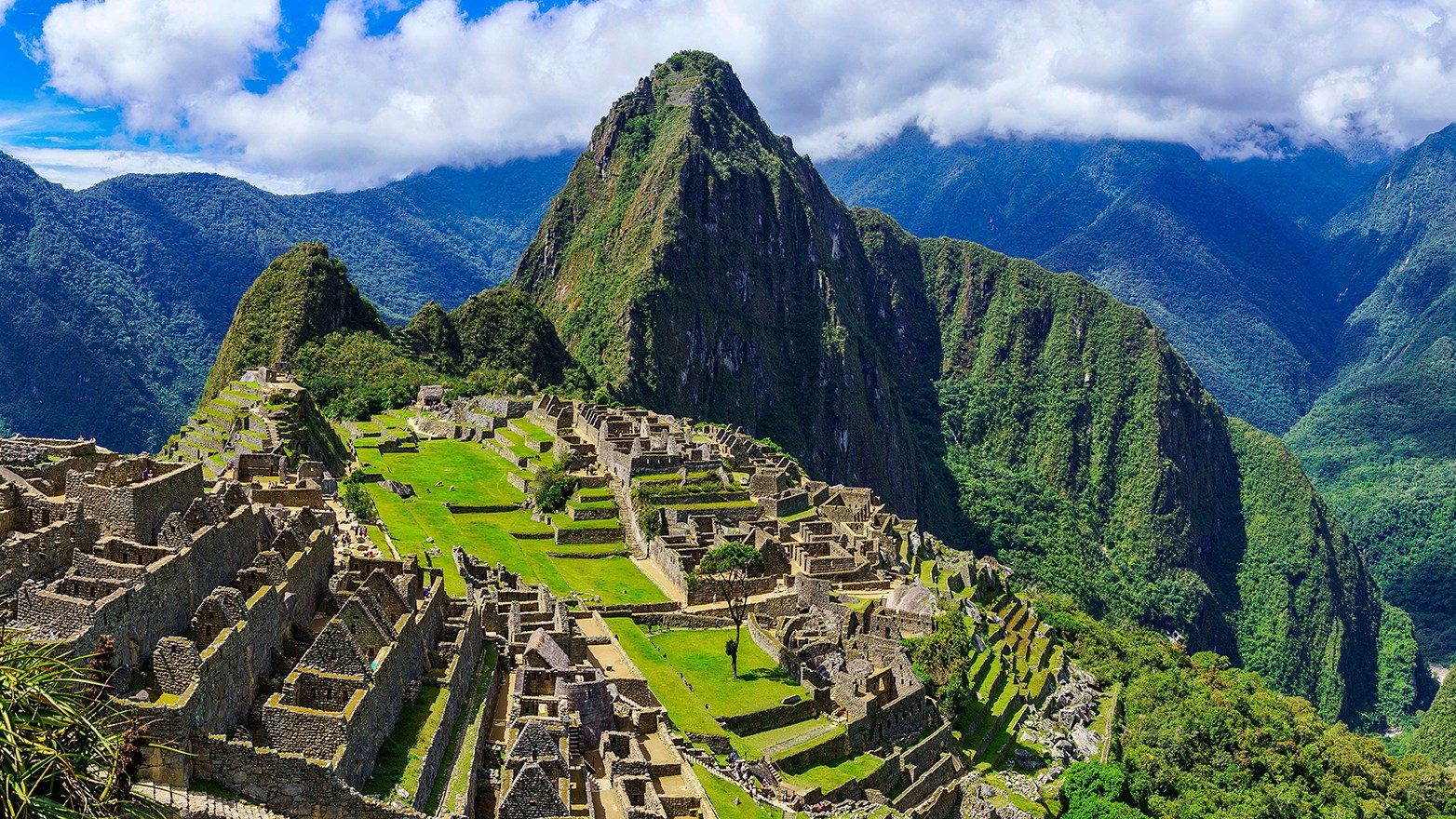
- Machu Picchu: This world-famous site is heavily monitored and very safe during operating hours. Stick to official routes and guides for the best experience.
- Arequipa: Known for its colonial architecture and friendly locals, Arequipa is generally safe, especially in the city center and tourist areas.
- Lima (Tourist Districts): Neighborhoods like Miraflores, Barranco, and San Isidro are popular with tourists and have a strong police presence. However, some parts of Lima should be avoided.
Areas to Be Cautious Of
- Certain Neighborhoods in Lima: Avoid areas like Callao, San Juan de Lurigancho, and some outskirts of Lima, which can have higher crime rates.
- Remote and Unregulated Areas: In the Amazon or rural mountain regions, infrastructure and emergency services are limited. Be cautious if traveling off the beaten path without a guide.
- Night Travel: Avoid walking alone or taking public transport late at night, particularly in cities.
Tips for Staying Safe While Traveling in Peru
Traveling in Peru is an incredible experience, and following some simple safety tips can help ensure your trip goes smoothly. Here are essential tips to keep in mind:
- Stay Alert and Aware
Always be mindful of your surroundings, especially in crowded places like markets, bus stations, and tourist sites. Avoid distractions like using your phone openly or wearing flashy jewelry. - Secure Your Belongings
Use a money belt or anti-theft backpack to keep passports, cash, and electronics safe. Never leave your bags unattended, and keep valuables close to your body. - Use Trusted Transportation
Only use registered taxis, rideshare apps (like Beat or Cabify), or pre-booked transportation. Avoid hailing cabs on the street, especially at night. - Avoid Risky Areas After Dark
Stick to well-lit, populated areas in the evening. Avoid walking alone at night or in unfamiliar neighborhoods. - Learn Basic Spanish Phrases
Knowing how to ask for help or directions in Spanish can be invaluable in emergencies or confusing situations. - Stay Healthy
Drink bottled or purified water and be cautious with street food. If traveling to high-altitude areas, acclimate slowly to avoid altitude sickness. - Have Emergency Contacts Ready
Keep local emergency numbers, your embassy’s contact, and important personal contacts saved on your phone.
Is Solo Travel Safe in Peru?

Solo travel in Peru is increasingly popular and can be a rewarding experience filled with adventure, self-discovery, and cultural immersion. But naturally, many wonder: Is solo travel safe in Peru?
The good news is yes—solo travel in Peru is generally safe, especially if you take sensible precautions. Tourist-friendly cities like Cusco, Lima, and Arequipa are well-equipped to support independent travelers, with plenty of hostels, tours, and transportation options.
Many solo travelers explore Machu Picchu, the Sacred Valley, and the Amazon region without issue.
Key Tips for Solo Travelers:
- Stay in well-reviewed accommodations with good security and positive guest feedback.
- Join group tours or activities to meet other travelers and reduce risks when exploring remote areas.
- Keep friends or family informed of your itinerary and check in regularly.
- Be cautious when meeting new people but stay open to making connections—locals and fellow travelers can offer valuable advice and companionship.
- Avoid walking alone at night and use trusted transportation services.
While solo female travelers often do just fine, it’s wise to exercise extra caution and dress modestly to respect local culture. Trust your instincts—if something feels off, remove yourself from the situation.
Overall, Peru welcomes solo travelers warmly. With preparation, awareness, and respect for local customs, solo adventures in Peru can be safe, fulfilling, and unforgettable.
Final Thoughts on Traveling Safely in Peru
Traveling to Peru offers an incredible opportunity to explore breathtaking landscapes, rich history, and vibrant culture. While no destination is entirely risk-free, Peru is generally safe for tourists who prepare wisely and stay vigilant.
By understanding common risks—such as petty theft, scams, and transportation challenges—and knowing which areas to avoid or approach with caution, you can greatly reduce the chance of problems.
Always prioritize your safety by securing valuables, using trusted transport, and being aware of your surroundings, especially in busy urban centers or remote regions.
Remember that Peru’s popular tourist spots, including Lima’s safe districts, Cusco, Machu Picchu, and the Sacred Valley, have well-established infrastructures to support visitors. Solo travelers, families, and adventure seekers alike can enjoy these destinations with confidence.
Above all, respect local customs and culture, stay informed, and trust your instincts. With the right preparation and mindset, your trip to Peru can be both safe and deeply rewarding, leaving you with unforgettable memories and a desire to return.


