



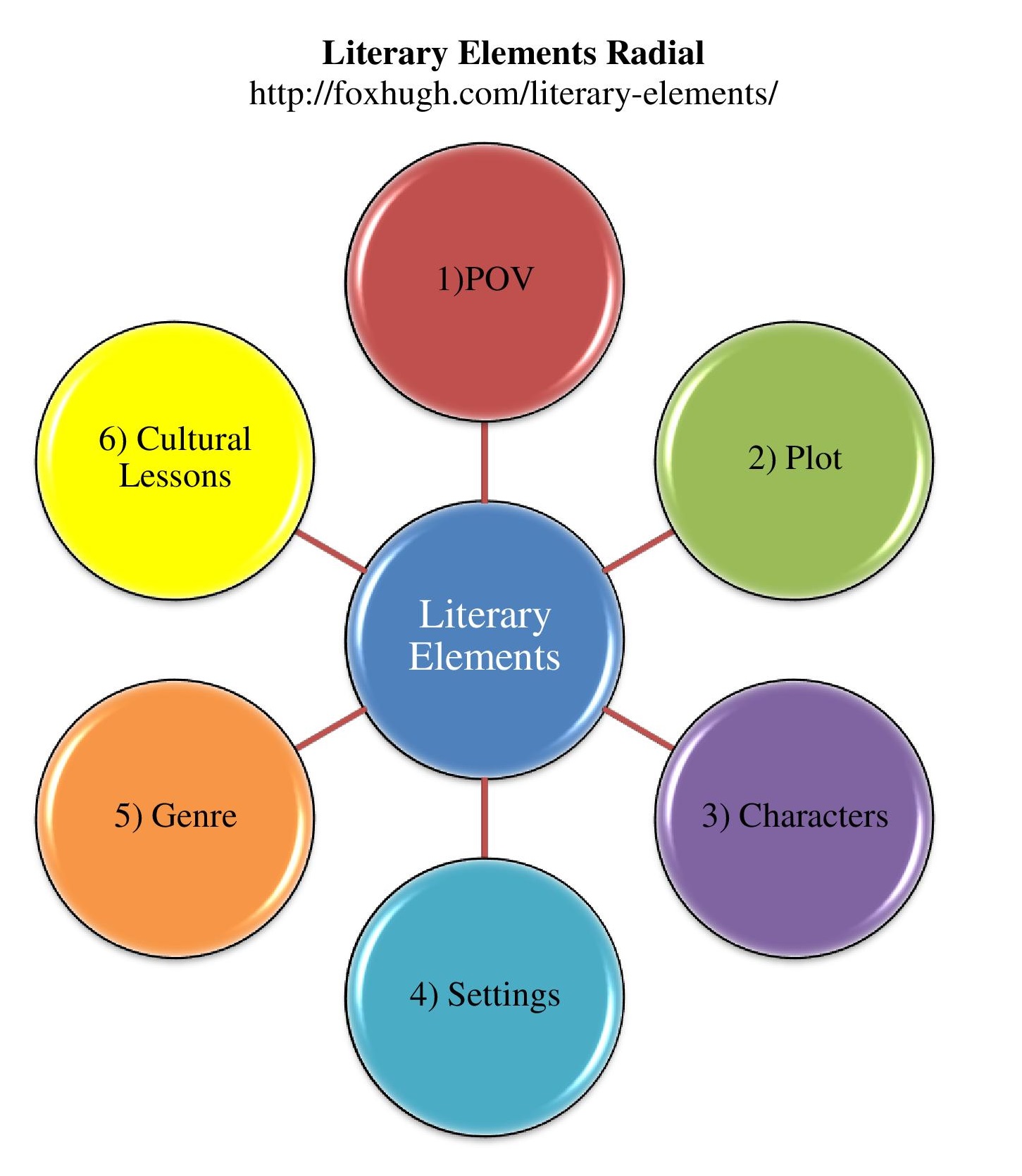
Literary elements list forms the backbone of compelling storytelling, shaping narratives across novels, poems, and plays. These essential components—plot, setting, characters, theme, and conflict—work alongside literary devices to create engaging, memorable literary works.
By understanding these literary terms, writers and readers can appreciate the artistry behind every poem or short story.
What Are Literary Elements?
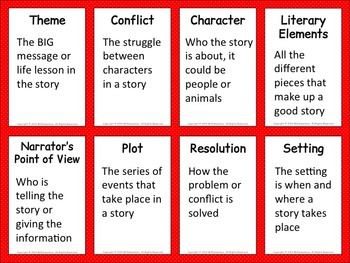
A literary element refers to the foundational components that structure every literary work. These include plot, setting, characters, theme, and conflict, collectively forming the literary elements list. Unlike literary devices, which are techniques to enhance expression, literary elements provide the framework for storytelling.


For instance, a short story relies on a well-crafted plot to drive the narrative, while the setting establishes the world where events unfold. Understanding these elements of literature is crucial for analyzing or crafting compelling stories.
The difference between literary elements and literary devices lies in their purpose. Literary elements are structural, forming the skeleton of a narrative, while literary devices are stylistic, adding flair and depth.
For example, a literary element like character development is enhanced by literary devices such as simile or allusion, which enrich how characters are portrayed. This interplay between literary elements and literary devices ensures stories resonate with readers, sparking thoughts and feelings.
Key Takeaways:
- Literary elements like plot and theme structure stories, while literary devices enhance expression.
- Common literary devices like simile and alliteration engage readers through vivid imagery.
- Writers use literary elements and devices to create immersive, memorable narratives.
- Analyzing different literary devices deepens understanding of themes in literature.
- The literary elements list is essential for crafting and interpreting every literary work.
Exploring Common Literary Devices
A literary device is a technique writers use to elevate their work, making it more vivid and engaging. Common literary devices like simile, personification, and alliteration enhance the reader’s imagination by adding layers of meaning.
For example, a simile compares two unlike things using “like” or “as,” such as “her smile was like sunshine.” These devices help authors create imagery, evoke emotions, and hold the reader’s attention in any literary work.
The literary devices and literary elements work together to craft memorable narratives. A list of literary devices includes tools like metaphor, allusion, and personification, each serving a unique purpose. Writers use literary devices to make abstract ideas tangible, transforming simple prose into art or literature.
By mastering these popular literary techniques, authors can create stories that linger in readers’ minds, showcasing the power of literary technique.
Plot: The Backbone of Every Story
The plot, a core literary element, is the sequence of events that drives a narrative. In a literary elements list, the plot is often listed first because it provides structure, guiding readers through conflict, climax, and resolution. For example, in The Great Gatsby, the plot follows Jay Gatsby’s pursuit of Daisy, building tension and tragedy. This literary element ensures stories are cohesive, engaging the reader’s attention through a clear beginning, middle, and end.
Plots vary in complexity, from linear narratives in a short story to intricate, multi-layered arcs in novels. Writers use literary elements like plot to create suspense or surprise, often employing literary devices like foreshadowing to hint at future events. For instance, in Romeo and Juliet, Shakespeare uses plot twists to heighten drama, making the story unforgettable. These examples from literature show how plot shapes narratives across genres.
Setting: Creating the World of the Story
The setting, another key literary element, establishes the time, place, and atmosphere of a story. It grounds readers in the narrative’s world, whether a bustling city or a desolate moor. Imagery in literature plays a vital role here, using vivid descriptions to make settings come alive. For example, in Wuthering Heights, the wild Yorkshire moors mirror the characters’ turbulent emotions, enhancing the story’s mood.
Settings influence how readers perceive events and characters. A writer’s word choice in describing a setting can evoke specific thoughts and feelings, such as fear in a haunted house or nostalgia in a childhood home. Common examples include the magical Hogwarts in Harry Potter, which captivates the reader’s imagination. By carefully crafting this literary element, authors ensure their stories feel immersive and believable.
Characters and Point of View
Characters, a vital literary element, breathe life into stories through their actions, motivations, and growth. The character’s point of view—whether first person, second person, or third person—shapes how readers experience the narrative. For instance, in The Catcher in the Rye, the narrator Holden Caulfield’s first person perspective offers an intimate, raw view of his inner world, making the story deeply personal.
The archetype of a character, such as the hero or villain, provides a familiar framework that resonates with readers. Writers use literary elements like character development to explore abstract concepts like love or betrayal. For example, in Pride and Prejudice, Elizabeth Bennet’s evolving perspective showcases growth, enhanced by literary devices like dialogue and irony. These examples of literary characters highlight their role in driving narratives forward.
Theme: Conveying Deeper Meanings
The theme, a crucial literary element, represents the underlying message or central idea of a story. Themes in literature often explore universal abstract concepts like justice, freedom, or identity. For example, in To Kill a Mockingbird, the theme of racial injustice is woven into the narrative, prompting readers to reflect on societal issues. This literary element gives stories depth and relevance.

Writers use literary elements to embed themes seamlessly, often through character actions or plot developments. Literary devices like symbolism or allusion enhance thematic expression, making thoughts and feelings more accessible. For instance, in The Scarlet Letter, the recurring symbol of the letter “A” deepens the theme of shame and redemption, showcasing how literary elements to write compelling stories rely on thematic clarity.
Simile and Metaphor: Painting Pictures with Words
Simile and metaphor, two powerful literary devices, are cornerstones of figurative language. A simile compares two things using “like” or “as,” such as “her voice was as smooth as silk.” A metaphor implies a direct comparison, like “time is a thief.” Both devices help writers create vivid imagery, making abstract ideas tangible and engaging the reader’s imagination.
These literary devices are used in literature to evoke emotions and clarify concepts. For example, in Macbeth, Shakespeare uses a metaphor—“Life’s but a walking shadow”—to explore mortality. Similarly, a simile in The Odyssey, like “Odysseus fought like a lion,” enhances heroic imagery. These examples of literary devices show how figurative language transforms prose and poetry.
Personification: Bringing the Inanimate to Life
Personification, a widely used in poetry literary device, assigns human traits to non-human entities, enriching narratives. For instance, in The Wind in the Willows, the river “whispers” secrets, creating a lively, relatable world. This literary device captivates readers by making abstract or inanimate objects feel alive, enhancing emotional connections.
By using personification, writers deepen imagery in literature, as seen in Emily Dickinson’s poem where death “kindly stopped” for the narrator. This literary technique adds depth, making stories more immersive. Common examples include personifying nature or objects, like a “weeping willow” or a “stubborn door,” which resonate with readers’ thoughts and feelings.
Alliteration: The Power of Repetition
Alliteration, the repetition of a word or sound at the beginning of closely placed words, is a literary device that adds rhythm and emphasis. Often used in poetry, it creates a musical quality, as in “Peter Piper picked a peck.” This literary device enhances memorability, making phrases stand out in a poem or short story.
In literature, alliteration draws reader’s attention to key moments. For example, in Beowulf, the phrase “grim and greedy” emphasizes the monster’s menace. Writers use literary devices like alliteration to craft a specific tone or mood, showcasing how word choice shapes the reader’s experience. This literary technique is both subtle and impactful.
Allusion: Connecting to Broader Contexts
An allusion is a literary device that references historical, mythological, or cultural elements to enrich a story. For example, in The Waste Land, T.S. Eliot’s allusions to Greek mythology add layers of meaning. This literary device connects a literary work to broader contexts, making it more resonant for informed readers.
Writers use literary devices like allusion to evoke familiarity or irony. In Animal Farm, Orwell’s allusion to the Russian Revolution deepens the allegory. These examples from literature show how allusions engage the reader’s imagination, linking stories to universal ideas or events in art or literature.
Literary Elements vs. Literary Devices: A Clear Comparison
Understanding the difference between literary elements and literary devices is essential for analyzing literature. Literary elements form the structure of a story, while literary devices enhance its style and expression. The literary elements list includes plot, setting, and theme, whereas devices list includes simile, metaphor, and alliteration. Both are critical to crafting compelling narratives.
| Aspect | Literary Elements | Literary Devices |
| Definition | Core components like plot, setting, theme | Stylistic techniques like simile, allusion |
| Purpose | Structure the narrative | Enhance expression and imagery |
| Examples | Plot, character, conflict | Personification, metaphor, irony |
| Role in Literature | Provide framework | Add depth and creativity |
This literary elements vs. literary devices comparison highlights their complementary roles. Writers use literary tools to create stories that are both structured and expressive, ensuring a balance between form and creativity.
How to Identify Literary Devices in Literature
To identify literary devices, readers must pay attention to word choice and context. A literary device like a simile is easy to spot with words like “like” or “as.” For example, in The Raven, Poe’s alliteration—“weak and weary”—sets a somber tone. Analyzing word or phrase patterns helps uncover different literary devices in a text.

Start by examining the narrator’s language or recurring imagery. Literary devices like personification often stand out when objects act human-like, as in “the wind howled.” Practice with examples from literature to spot types of literary devices, making analysis more intuitive and enriching the reading experience.
How Writers Use Literary Elements to Write Compelling Stories
Writers use literary elements to craft stories that resonate deeply. The literary elements list—plot, setting, character, theme—forms the foundation for storytelling. For example, in 1984, Orwell’s dystopian setting amplifies the theme of oppression, while the plot builds tension. These literary elements to write engaging narratives ensure stories are cohesive and impactful.
The writer uses literary devices to enhance these elements, such as allusion to add historical context or simile to clarify emotions. By combining literary elements and literary devices, authors create stories that captivate, as seen in common examples like The Hobbit, where setting and character drive adventure. This synergy makes every literary work memorable.
Types of Figurative Language in Literature
Types of figurative language include simile, metaphor, personification, and more, all enhancing imagery in literature. Figurative language transforms ordinary descriptions into vivid, evocative expressions. For example, in A Midsummer Night’s Dream, Shakespeare’s metaphor of love as a “fever” conveys passion. These literary devices help writers create emotional depth.
In poetry, figurative language is especially prominent. A poem or short story might use personification to animate nature, as in Wordsworth’s “daffodils danced.” By mastering types of literary devices, writers craft works that resonate, making used in poetry techniques essential for evocative storytelling.
A Complete List of Literary Devices
A complete list of literary devices includes simile, metaphor, personification, alliteration, allusion, irony, symbolism, and more. These devices that authors use add depth and creativity to writing. For instance, irony in Oedipus Rex heightens tragedy, while symbolism in The Great Gatsby (the green light) underscores longing. Below is a devices list with definitions and examples:
- Simile: Comparison using “like” or “as” (e.g., “Her eyes sparkled like stars”).
- Metaphor: Direct comparison (e.g., “The world is a stage”).
- Personification: Giving human traits to non-human things (e.g., “The trees whispered secrets”).
- Alliteration: Repeated initial sounds (e.g., “Sizzling summer sun”).
- Allusion: Reference to external works or events (e.g., “He’s a real Romeo”).
- Irony: Contrast between expectation and reality (e.g., a fire station burning down).
- Symbolism: Objects representing ideas (e.g., a dove for peace).
These different literary devices are important literary tools, enhancing every literary work with creativity and depth.


FAQs About Literary Elements List
What is a literary element?
A literary element is a core component of a story, like plot, setting, or theme, forming the literary elements list that structures narratives.
What is a literary device?
A literary device is a stylistic technique, such as simile or allusion, used to enhance expression and engage the reader’s imagination.
How do literary elements and devices differ?
Literary elements provide structure (e.g., plot), while literary devices add style (e.g., metaphor), working together to create compelling stories.
Why are literary devices important in literature?
Literary devices help writers create vivid imagery, evoke emotions, and add depth, making stories more engaging and memorable.
Can you give an example of a simile?
A simile is “Her laughter was like music,” comparing laughter to music using “like” to enhance imagery in literature.
What role does personification play in poetry?
Personification gives human traits to objects, like “the moon smiled,” making used in poetry descriptions vivid and emotional.
How can I identify literary devices in a story?
To identify literary devices, look for word choice, patterns like alliteration, or figurative phrases like simile in the text.
Conclusion on Literary Elements List
The literary elements list—plot, setting, characters, theme, and conflict—forms the foundation of storytelling, while powerful literary devices like simile, personification, and allusion add creativity and depth. Together, these literary terms enable writers to craft narratives that captivate the reader’s imagination and evoke thoughts and feelings.
Whether in a poem or short story, the strategic use of literary elements and literary devices transforms simple words into art or literature. By understanding and applying these tools, writers can create compelling stories, and readers can gain a deeper appreciation for the craft.


