

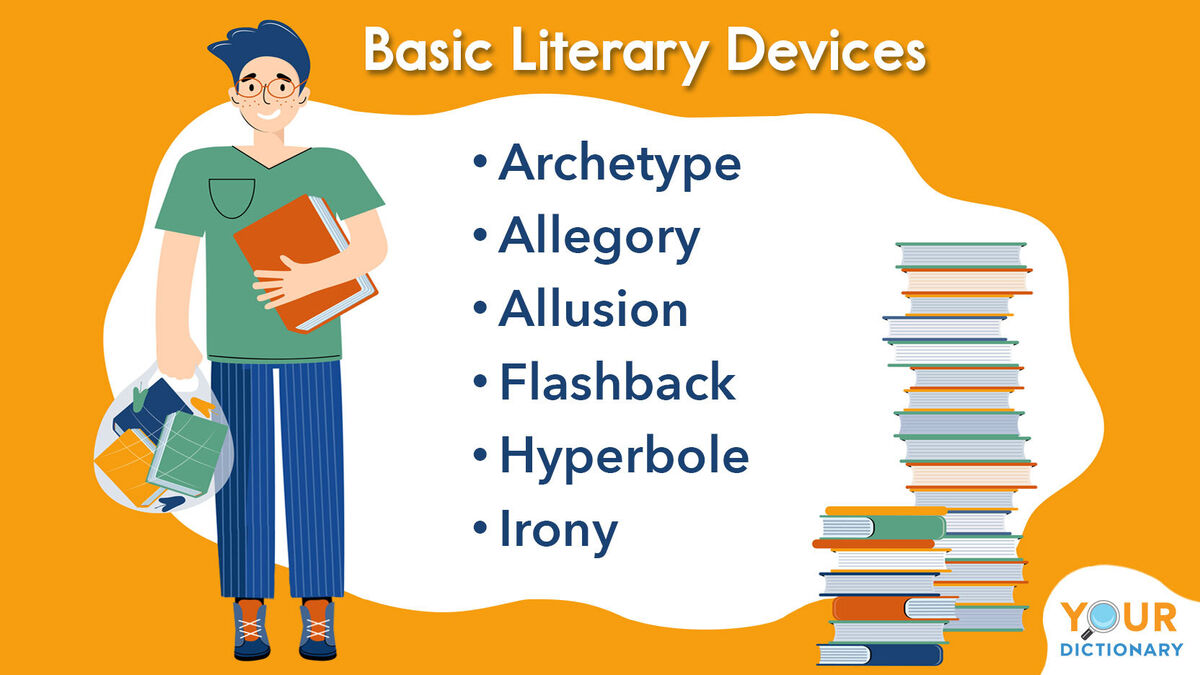
Literary tools are the backbone of creative writing, empowering writers to craft work of literature that captivates and resonates. Often synonymous with literary device, these powerful tools include techniques like metaphor, simile, symbolism, and foreshadow, which enhance literary elements in poetry and prose.
By using literary tools, writers can convey a deeper meaning, evoke emotions, and create vivid imagery in creative nonfiction, formal writing, or storytelling.
What Are Literary Tools?
Literary tools, also known as literary devices, are techniques writers use to enhance the literary effect of a piece of writing.

As a literary term, they encompass different types of literary devices such as metaphor, simile, personification, and alliteration, which create vivid imagery or add deeper meaning. For example, a metaphor directly compares two unlike things, like “Time is a river,” while a simile uses “like” or “as,” such as “Her laughter was like music.” These literary tools transform literal meaning into figurative expressions that engage readers.
Literary tools are vital in poetry and prose, as they add descriptive flair and emotional depth. Symbolism, for instance, allows a writer to represent an abstract concept, like a storm signifying chaos. By mastering these writing tools, authors can craft literary work that resonates, making literary tools indispensable for creative writing and storytelling.
How Literary Tools Enhance Writing
Literary tools help writers create layers of meaning that enrich a piece of writing. They enable authors to go beyond literal meaning, using figurative language to evoke emotions or highlight themes. For instance, foreshadow hints at future events, building suspense, while personification gives human attributes to objects, making descriptions vivid. These devices help writers engage readers by making content relatable and thought-provoking.
For readers, literary tools help readers connect with a work of literature on a deeper level. A well-placed allusion to a myth or historical event can spark recognition, adding deeper meaning. Similarly, an allegory weaves a narrative with symbolic significance, like Nathaniel Hawthorne’s The Scarlet Letter representing societal judgment. By using literary tools, writers create a bridge between the text and the reader’s imagination, enhancing the overall literary effect.
Mastering Metaphor, Simile, and Personification
Among common literary devices, metaphor, simile, and personification are powerful literary tools for creating vivid imagery. A metaphor directly compares two unlike things, such as “Her heart is a fortress,” implying strength and inaccessibility. A simile, by contrast, uses “like” or “as,” as in “His voice was smooth as velvet,” making comparisons explicit. Both literary tools add descriptive content that resonates emotionally.
Personification attributes human characteristics to non-human entities, enhancing relatability. For example, Emily Dickinson’s line “The wind tapped like a tired man” personifies the wind, creating a vivid image. These literary tools add figurative depth, allowing writers to convey a deeper meaning in poetry and prose. By using literary tools like these, authors can transform simple sentences into memorable expressions that captivate readers.
The Role of Symbolism and Allegory
Symbolism and allegory are essential literary tools that imbue literary work with deeper meaning. Symbolism uses objects or images to represent an abstract concept, such as a dove symbolizing peace. In poetry and prose, writers use symbolism to evoke emotions subtly, like the raven in Edgar Allan Poe’s poem representing grief. This literary tool adds layers of meaning, engaging readers on multiple levels.
An allegory extends symbolism into a narrative, where characters or events symbolize broader themes. For example, John Bunyan’s Pilgrim’s Progress is an allegory for spiritual growth. By using literary tools like allegory, writers create work of literature that invites readers to uncover layers of meaning, making these devices powerful tools in creative writing.
What Makes a Rhetorical Device a Literary Tool?
A rhetorical device is a type of literary tool used to persuade or emphasize in writing or speech. While overlapping with literary devices, rhetorical techniques focus on persuasion, such as alliteration, onomatopoeia, and oxymoron. Alliteration, the repetition of words with similar sounds (e.g., “Whispering winds wove through”), enhances rhythm. Onomatopoeia mimics sounds, like “bang” or “sizzle,” adding auditory vividness. An oxymoron combines contradictory terms, like “cruel kindness,” for dramatic effect.

Rhetorical devices are popular literary tools because they engage audiences stylistically. For instance, writers use onomatopoeia in poetry and prose to make descriptive content immersive. By incorporating rhetorical literary tools, writers can improve their writing, making it more persuasive and memorable in formal writing and creative nonfiction.
Using Allusion and Paradox for Effect
Allusion and paradox are literary tools that add depth and intrigue. An allusion references another work of literature, myth, or historical event, enriching content with layers of meaning. For example, describing a character as a “Judas” alludes to betrayal, evoking strong imagery. Writers use allusion to connect with readers’ knowledge, making literary work more engaging.
A paradox presents a contradictory statement that reveals truth, like “The more you learn, the less you know.” This literary tool challenges readers to think deeply, adding deeper meaning. By using literary tools like allusion and paradox, writers create literary effects that captivate and provoke thought, enhancing writing or speech with intellectual and emotional resonance.
Foreshadowing and Juxtaposition as Narrative Literary Tools
Foreshadow and juxtapose are literary tools that enhance narrative structure. Foreshadowing hints at future events, building suspense. For example, in Emily Dickinson’s poem “Because I could not stop for Death,” subtle hints of mortality foreshadow the speaker’s journey. This literary tool helps writers create anticipation, keeping readers engaged in poetry and prose.
Juxtaposition places contrasting elements side by side to highlight differences, such as light and dark imagery in a piece of writing. Writers use juxtaposition to emphasize themes or create tension, as seen in Charles Dickens’s A Tale of Two Cities with “It was the best of times, it was the worst of times.” These literary tools add depth to literary work, making them essential literary devices for storytelling.
Extended Metaphor and Ekphrastic Literature
An extended metaphor sustains a comparison across a piece of writing, deepening its literary effect. For example, in Emily Dickinson’s poetry, she might compare hope to a bird throughout a poem, weaving figurative language to convey a deeper meaning. This literary tool adds richness to poetry and prose, engaging readers with sustained imagery.
Ekphrastic literature describes art within a literary work, such as a poem inspired by a painting. This specific device blends visual and verbal art, creating vivid content. By using literary tools like extended metaphor and ekphrastic literature, writers can craft creative nonfiction or poetry that resonates deeply, showcasing the versatility of literary tools in creative writing.
How to Incorporate Literary Tools in Your Writing
Using literary tools effectively can improve your writing by adding depth and engagement. Here are five ways to use literary tools effectively:
- Simplify with Imagery: Use metaphor or simile to make descriptions vivid without overwhelming readers.
- Build Suspense: Apply foreshadow to create anticipation in a piece of writing.
- Enhance Rhythm: Incorporate alliteration or onomatopoeia for musicality in poetry and prose.
- Deepen Themes: Use symbolism to represent an abstract concept, enriching content.
- Engage Emotionally: Employ personification to give human attributes to objects, making content relatable.
Writers often balance these literary tools with clear grammatical structure to maintain coherence. Practicing with examples and exercises can refine writing skills, ensuring literary tools enhance rather than overpower content.
Avoiding Overuse of Literary Tools
While literary tools help create engaging content, overusing multiple literary devices can clutter a piece of writing. Excessive metaphors or allusions may confuse readers, diluting the literary effect. Writers should align literary tools with the grammatical structure and purpose of their work of literature, ensuring clarity and coherence.
To use literary tools effectively, writers should focus on one or two specific devices per passage, such as a simile for imagery or an oxymoron for contrast. This approach maintains deeper meaning without overwhelming the reader, allowing literary tools to shine as powerful tools in literary devices in your writing.
Table of Common Literary Tools and Their Effects

The following table summarizes common literary devices, their definitions and examples, and their literary effects:
| Literary Tool | Description | Example | Literary Effect |
| Metaphor | Direct comparison without “like” or “as” | “Life is a journey” | Creates vivid imagery, deeper meaning |
| Simile | Comparison using “like” or “as” | “Her eyes sparkled like stars” | Enhances descriptive clarity |
| Personification | Giving human attributes to objects | “The trees whispered secrets” | Makes content relatable, vivid |
| Symbolism | Objects representing abstract ideas | A dove for peace | Adds layers of meaning |
| Alliteration | Repetition of words with same sound | “Sally’s soft songs” | Enhances rhythm, memorability |
| Foreshadow | Hints at future events | Storm clouds before a tragedy | Builds suspense, anticipation |
| Oxymoron | Contradictory terms combined | “Bitter sweet” | Creates contrast, thought-provoking |
This literary devices list helps writers choose devices and how to use them effectively in creative writing.
Exercises to Master Literary Tools
To master literary tools, writers can practice with examples and exercises. For instance, write a paragraph using a metaphor to describe a sunset, or use onomatopoeia to depict a bustling market. These exercises build writing skills by encouraging writers to create vivid content with figurative language.
Another exercise is to rewrite a piece of writing using allusion or paradox to add depth. For example, allude to a myth to enrich a character’s description, or craft a paradox to highlight a theme. These practices help writers use literary tools to improve their writing, making their literary work more engaging and memorable.
Literary Tools in Creative Nonfiction and Formal Writing
In creative nonfiction, literary tools like metaphor, simile, and personification enhance storytelling by adding descriptive and figurative elements. For example, a memoir might use symbolism to represent an abstract concept, such as a broken clock symbolizing lost time. Writers often blend these literary tools to make content emotionally resonant and relatable.
In formal writing, such as essays or reports, rhetorical devices like alliteration or allusion can emphasize key points without sacrificing clarity. For instance, an allusion to a historical figure can contextualize an argument. By using literary tools, writers can elevate formal writing and creative nonfiction, ensuring content engages while maintaining professionalism.
Key Takeaways:
- Literary tools like metaphor, simile, and symbolism add deeper meaning to writing.
- Rhetorical devices enhance persuasion and rhythm in writing or speech.
- Using literary tools strategically can improve your writing across genres.
- Literary tools help create vivid, engaging content for readers.
- Practice with examples and exercises to master literary tools in creative writing.
Literary Tools in Poetry and Prose
Poetry and prose rely on different types of literary tools to achieve distinct effects. In poetry, repetition of words (e.g., anaphora) or alliteration creates rhythm and emphasis, as seen in Emily Dickinson’s concise, figurative style. Metaphors and symbolism are prevalent, adding deeper meaning to compact sentences. In prose, foreshadow and juxtaposition drive narrative momentum, as in novels where contrasting settings highlight themes.
While poetry prioritizes figurative language for emotional impact, prose often uses literary tools for storytelling clarity. Writers use to create vivid imagery in both forms, but the grammatical structure in prose allows for more narrative development, while poetry condenses content into powerful literary tools for maximum effect.
FAQs About Literary Tools
What is a literary tool?
A literary tool, or literary device, is a technique writers use to enhance content, like metaphor or symbolism, adding deeper meaning.
What are common literary tools?
Metaphor, simile, personification, alliteration, foreshadow, oxymoron, and allusion create engaging literary effects in writing.
How does symbolism work in literary work?
Symbolism uses objects to represent an abstract concept, like a storm symbolizing chaos, adding layers of meaning.
What is the difference between metaphor and simile?
A metaphor directly compares (e.g., “Life is a dream”), while a simile uses “like” or “as” (e.g., “Life is like a dream”).
Can literary tools be used in formal writing?
Yes, rhetorical devices like alliteration or allusion enhance formal writing while maintaining clarity and professionalism.
How do literary tools help readers?
Literary tools help readers connect emotionally, uncover deeper meaning, and engage with content through vivid imagery.
How can I improve my writing with literary tools?
Practice using literary tools like metaphor or foreshadow in exercises to create descriptive, engaging content.
Conclusion on Literary Tools
Literary tools are essential literary devices that transform writing into work of literature with depth and resonance. From metaphor and simile to symbolism and foreshadow, these writing tools enable writers to convey a deeper meaning, evoke emotions, and captivate readers.
Whether in poetry and prose, creative nonfiction, or formal writing, using literary tools enhances literary effects and writing skills. By mastering the literary devices list provided, writers can improve their writing, creating content that inspires and engages. Literary tools ensure every word or phrase counts, making them indispensable for crafting memorable literary work.
