


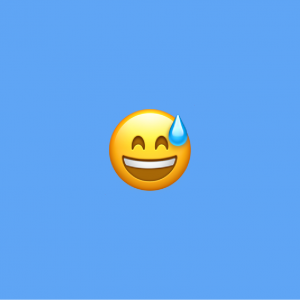
Nervous laugh emoji 😅 perfectly captures that mix of grinning happiness with a bead of sweat, signaling awkward embarrassment, relieved tension, or uneasy humor. In 2025, it ranks among the top 15 most-used emojis globally, appearing in billions of daily messages as users navigate subtle social nuances on platforms like TikTok and Instagram.
The nervous laugh emoji features a broad smile with closed eyes and a single blue sweat drop, distinguishing it as the go-to for “whew” moments amid rising ironic digital expression.
Originally designed for cold sweat discomfort, the nervous laugh emoji has evolved into a staple for lighthearted self-deprecation. With over 3,953 emojis in the Unicode standard, it stands out for blending positivity with vulnerability in fast-paced conversations.
History and Unicode Origins of the Nervous Laugh Emoji
The nervous laugh emoji debuted in Unicode 6.0 in 2010, originally named “Smiling Face with Open Mouth and Cold Sweat” to reflect nervous relief. It gained full emoji status in 2015, quickly spreading across devices.
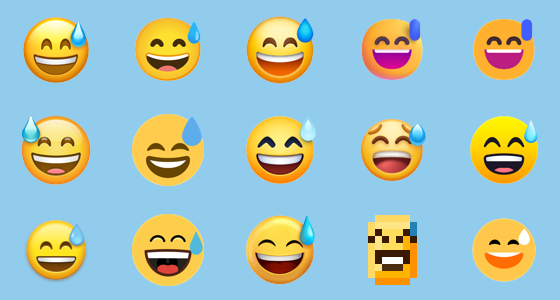

Early designs emphasized the sweat drop for anxiety, but usage shifted toward comedic close calls. By 2025, minor platform tweaks enhance its blue droplet visibility on high-resolution screens.
This progression highlights how user behavior reshaped its intent from pure discomfort to versatile awkward joy.
Core Meanings of the Nervous Laugh Emoji Today
The nervous laugh emoji primarily conveys relief after tension, like “that was close” with a grin. It also expresses mild embarrassment, nervous humor, or awkward agreement without full enthusiasm.
Common interpretations include self-deprecating laughs at minor mistakes or diffusing potentially offensive jokes. Its smiling base keeps tones light.
Context shapes nuance: Standalone for relief; with text for sarcasm or apology.
Nervous Laugh Emoji vs Similar Sweat Faces: Key Differences
Distinguish the nervous laugh emoji from anxious 😰 or downcast 😓 variants through expression and intensity.
Comparison table:
| Feature | Nervous Laugh Emoji 😅 | Anxious Face 😰 | Downcast Face 😓 |
| Expression | Broad grin, closed eyes | Worried frown, open mouth | Sad frown, closed eyes |
| Sweat Color/Style | Blue bead, relief | Cold sweat, fear | Single drop, disappointment |
| Primary Emotion | Awkward relief, nervous humor | Anxiety, stress | Frustration, effort |
| 2025 Usage | High in casual chats | Moderate in worries | Lower in exertion contexts |
These differences ensure precise emotional signaling.
How to Use Nervous Laugh Emoji Effectively in Texts
Place the nervous laugh emoji after confessions or mishaps to soften impact. Examples: “Forgot your birthday 😅” or “Almost spilled everything 😅”.
Tips in bullets:
- Follow awkward admissions
- Pair with apologies for humility
- Use singly for subtlety; repeat for emphasis
It excels in group chats to acknowledge jokes without full commitment.
Why Nervous Laugh Emoji Thrives in 2025 Digital Culture
In 2025, the nervous laugh emoji surges with ironic, self-aware communication trends among younger users. It fits vulnerability-sharing eras perfectly.
Analytics show strong presence in social replies, easing tense interactions. Its duality supports mental health discussions lightly.
Rising emoji totals amplify its role in nuanced expression.
Nervous Laugh Emoji in Memes and Viral Reactions
Memes feature the nervous laugh emoji heavily for relatable awkward scenarios or “this is fine” chaos.
Popular applications:
- Captioning cringy personal stories
- Reacting to embarrassing viral clips
- Highlighting near-miss fails
It adds instant relatable tension relief.
Best Combinations with Nervous Laugh Emoji
Enhance messages through strategic pairings with the nervous laugh emoji.
Effective combos table:
| Combination | Meaning | Context Example |
| 😅😂 | Nervous but genuinely funny | Hilarious mishaps |
| 😅🙈 | Embarrassed hiding | Secret confessions |
| 😅💦 | Extra sweaty relief | Close calls |
| 😅🤦♂️ | Facepalm awkwardness | Self-roast moments |
| 😅🥲 | Mixed relief tears | Bittersweet situations |
These create layered emotional depth.
Platform Variations of Nervous Laugh Emoji Design
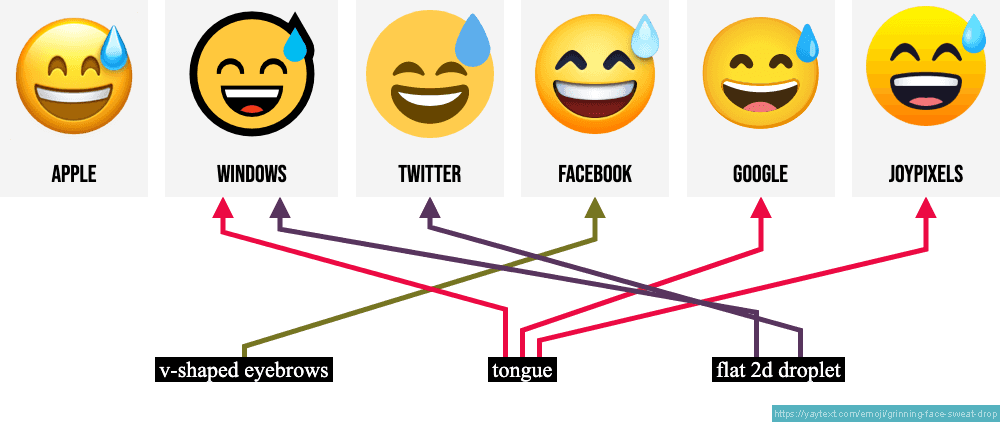
Apple renders the nervous laugh emoji with vibrant blue sweat; Android opts subtler tones.
2025 updates improve cross-platform consistency, especially droplet placement. Samsung adds slight animation in some apps.
Core grin remains universal despite variations.
Generational Appeal of the Nervous Laugh Emoji
Younger generations favor the nervous laugh emoji for authentic vulnerability; older users sometimes misread intensity.
In 2025, it bridges gaps in mixed conversations by softening potential conflicts.
Its growth reflects broader acceptance of emotional honesty online.
Common Misinterpretations of Nervous Laugh Emoji
Viewers occasionally mistake the nervous laugh emoji for pure happiness, ignoring sweat’s discomfort cue.
Avoid in serious contexts to prevent downplaying issues. Clarify with words when ambiguity arises.
Overuse can dilute sincere relief signals.
Nervous Laugh Emoji in Professional and Casual Settings
Reserve the nervous laugh emoji for informal chats; it risks unprofessionalism elsewhere.
In casual work Slack, it humanizes minor errors. Globally, it translates awkwardness universally.
Balance maintains approachability.
Cultural Influences on Nervous Laugh Emoji Usage
Anime-inspired sweat drops influenced the nervous laugh emoji‘s design, resonating in Eastern cultures for embarrassment.
Western adoption emphasizes relief humor. 2025 sees balanced global integration.
It embodies shared human awkward experiences.
Future Trends for Nervous Laugh Emoji Beyond 2025

The nervous laugh emoji maintains relevance amid new releases, potentially gaining animated variants.
Predictions include sustained top rankings as irony persists. Evolving slang keeps it fresh.
FAQs About Nervous Laugh Emoji
What is the primary meaning of the nervous laugh emoji?
It expresses relief after tension, awkward embarrassment, or nervous humor with a smiling base.
How does nervous laugh emoji differ from anxious face?
Grinning relief versus worried fear; sweat signals discomfort but positivity dominates.
When should you use the nervous laugh emoji?
After minor mistakes, close calls, or to soften potentially awkward statements.
Is nervous laugh emoji popular in 2025?
Yes, ranking high globally for nuanced, relatable emotional expression.
What are strong nervous laugh emoji combinations?
😅😂 for funny awkwardness or 😅🙈 for embarrassed hiding.
Can nervous laugh emoji be misunderstood?
Sometimes as pure joy; sweat drop cues underlying nervousness or relief.
Does platform affect nervous laugh emoji appearance?
Slight variations in sweat color and style, but core meaning stays consistent.
Conclusion on Nervous Laugh Emoji
The nervous laugh emoji 😅 has solidified its place as an essential tool for navigating subtle emotions in 2025 digital interactions. From its Unicode roots emphasizing cold sweat to widespread adoption for relieved humor and awkward self-awareness, it masterfully balances positivity with vulnerability.
As emoji usage continues expanding, this icon’s versatility in memes, texts, and reactions ensures enduring appeal across generations and cultures.
Mastering the nervous laugh emoji adds authentic depth to communication, turning potentially tense moments into relatable, lighthearted exchanges. Its sweat drop reminds us that imperfection connects us all.
- Key takeaways:
- Blend relief and embarrassment for nuanced tone.
- Use combinations to amplify awkward humor.
- Context prevents misreads as simple happiness.
- Reserve for casual settings to maintain impact.
- Expect ongoing popularity in ironic expression trends.


