



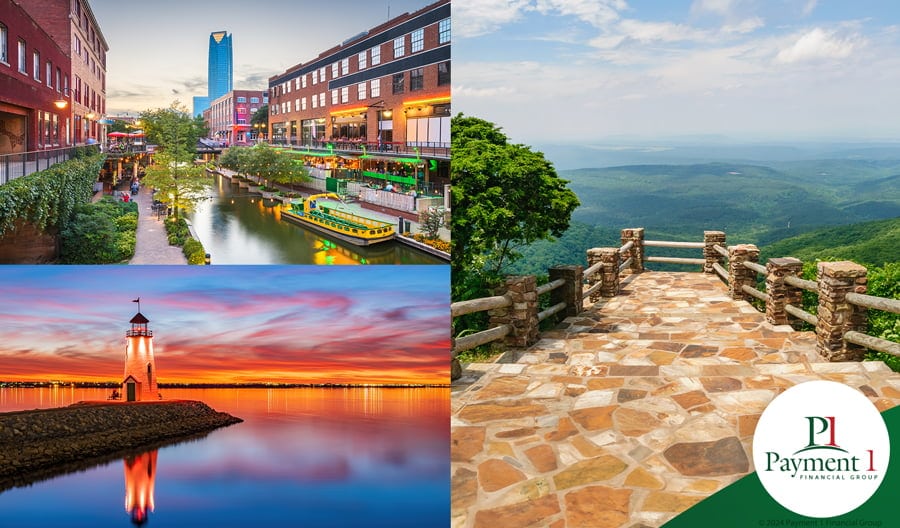
Oklahoma has quietly become a significant draw for organizations and individuals seeking a balanced mix of economic promise, cultural heritage, and lifestyle options. Tucked between the Great Plains and the foothills of the Ozarks, the state’s geographical diversity sets the stage for its multifaceted identity. From energy and aerospace to agriculture and technology, diverse industries thrive here. The mild cost of living, strong community bonds, and progressive approach to workforce development further support the notion that Oklahoma is more than just a regional hub—it’s a place where businesses and people can establish roots and flourish.
That understated allure resonates with executives, entrepreneurs, and families who crave an environment that blends professional ambitions with a sense of community. The combination of infrastructural strides, skilled labor resources, and an engaged populace fosters an environment where new ventures stand a reasonable chance of success. As we take a closer look, Oklahoma emerges as a state where the future meets a proud, historic past, culminating in a wide range of opportunities for various interests and aspirations.
Dynamic Economic Foundations
Oklahoma’s modern economy has deep roots in energy, particularly oil and gas, yet the state has worked diligently to diversify beyond these traditional sectors. Numerous cities in Oklahoma have encouraged technology startups, aerospace manufacturing, and healthcare research, contributing to a broader industrial base. This diversification not only adds stability but also opens the door for collaborations among companies across different fields. As technology and innovation become key drivers of progress, Oklahoma’s universities and vocational programs stand ready to supply an educated workforce capable of powering growth and managing complex processes.
The presence of large aerospace and defense contractors has spurred the development of specialized supply chains and advanced engineering capabilities. Parallel advancements in digital infrastructure and e-commerce have nurtured a growing tech scene in cities like Tulsa and Oklahoma City, both of which are also recognized for robust cultural amenities and an affordable lifestyle. Companies locating in these urban centers find an appealing balance: the energy of progressive industries paired with the supportive ecosystem of municipal authorities eager to promote sustainable commerce and stable employment.
The resilience displayed by Oklahoma’s industries during economic ebbs and flows underscores a strategic focus on competitiveness. Incentives aimed at bringing in new ventures, upgrading infrastructure, and building a knowledge-driven workforce have helped maintain momentum, even when markets shift. This approach has nurtured an economic climate encouraging to enterprises—one characterized by moderate taxation and a government that champions pragmatic regulation designed to foster confidence and long-term investment.
A Heritage of Community and Collaboration
Beyond the economic framework, Oklahoma’s cultural and social roots contribute significantly to its draw. Many areas of the state, from the rolling plains to the outskirts of bustling metros, remain anchored in values of collaboration and neighborly care. Annual fairs, agricultural festivals, and community gatherings serve as touchstones linking residents to the region’s agrarian past, while city arts districts and performing arts centers invite fresh perspectives and creative discourse. This synergy between tradition and new growth yields communities that are grounded yet forward-looking.
Oklahoma’s emphasis on community resonates strongly with newcomers seeking personal and professional networks. The state’s smaller cities and towns often feature close-knit neighborhoods and business collectives, fostering relationships that extend beyond transactions. When professionals relocate or companies establish branches, they tend to find opportunities for local involvement—be it partnering with area nonprofits, participating in civic projects, or sponsoring youth initiatives. Such engagement enhances brand reputation and deepens ties to the local talent pool.
In education, Oklahoma invests in academic and career-development programs that cater to emerging industries while still respecting historical strengths like energy and agriculture. This balanced approach can be seen in dual-enrollment courses at local colleges or specialized training for aerospace and tech. By supporting a generation of workers skilled in both established and futuristic domains, Oklahoma sets the stage for consistent growth and adaptability, factors crucial in uncertain business cycles.
How Much Are Closing Costs in Oklahoma
Real estate transactions remain a key part of moving operations or settling into the region. Understanding how much are closing costs in Oklahoma ensures businesses and individuals plan accurately for expansions or relocations. Generally, these costs may hover between 2% and 5% of the property’s purchase price. This range often includes appraisal fees, title insurance, escrow charges, and possibly lender-specific fees. Variations occur depending on property type, negotiated credits, and shifting market trends.
Consulting with local real estate agents or legal advisors can clarify the breakdown of how much are closing costs in Oklahoma. Buyers can more reliably estimate their upfront expenditures and avoid surprises at closing. In some cases, strategic negotiation with sellers or adjustments to the financing structure might lower the financial burden. Planning for these costs ahead of time leads to smoother property acquisitions that align with an organization’s or individual’s budgeting strategies.
Embracing Natural Beauty and Lifestyle Advantages
A key part of Oklahoma’s appeal is its blend of open landscapes and urban living. The state’s great plains unfurl in the west, leading up to forested hills and lake-dotted regions in the east. Outdoor recreation spans bass fishing, hunting, hiking, and water sports, giving residents ample avenues to find relief from professional pressures. Meanwhile, the adrenaline of city life thrives in metros like Oklahoma City and Tulsa, where live music, museums, culinary diversity, and sports events provide endless entertainment.
The synergy of rural calm and metropolitan flair shapes the lifestyle many come to appreciate. Housing remains comparatively affordable, whether one opts for a scenic rural property or a loft in a revitalized downtown. The modest cost of living keeps overhead under control, enabling families and enterprises to allocate resources toward other priorities such as tech investments, training, and personal enrichment. Communities frequently celebrate local produce, artisanal crafts, and historic traditions through farmers’ markets and town festivals, reinforcing a sense of connectedness that resonates with both residents and professional newcomers.
A Resilient Future
Oklahoma’s success story is one of ongoing transformation. By remaining attentive to evolving market demands, investing in advanced education, and maintaining a welcoming environment for enterprises, the state perpetuates its trajectory of balanced growth. The foundation built on collaboration, resourcefulness, and fiscal prudence sustains resilience, allowing Oklahoma to adapt as industries pivot and technology advances.
For businesses scouting locations that blend reasonable costs, cultural richness, and infrastructural support, Oklahoma offers a multifaceted proposition. Its people, institutions, and government have demonstrated the ability to nurture innovation while holding firm to the region’s proud heritage. The result is a climate ripe for organizations to expand or relocate with confidence.
Conclusion
Oklahoma’s draw for individuals and companies stems from an interplay of robust economic policies, cultural authenticity, and a dedication to community well-being. From the farmland vistas and wide-open skies to the growing corridors of technology and commerce in city hubs, the state captures the essence of living in harmony with both heritage and progress.
The lifestyle advantages, framed by moderate costs and inviting public spaces, encourage employees to commit to building their careers and personal lives in Oklahoma. Coupled with the stability and resourcefulness of its business climate, these qualities give the region its enduring appeal. As industries continue to evolve and professionals seek new paths forward, Oklahoma stands as a place where forward momentum is matched by respect for homegrown values—ultimately drawing in those who find promise in the state’s balanced approach to growth.


