


Parallelism examples in literature showcase the power of parallelism, a rhetorical device that uses repetition of sentence structure to create rhythm, clarity, and emphasis. In literature and poetry, parallelism enhances the emotional and aesthetic impact of a sentence, making it memorable and persuasive.
From Martin Luther King’s iconic speeches to Shakespeare’s sonnets, parallelism is found across types of writing, enriching grammar and sentence structure.
What Is the Definition of Parallelism?
The definition of parallelism refers to the repetition of sentence structure or parallel grammatical forms to emphasize ideas and create a rhythmic flow. Parallelism is a literary device that balances parallel elements within a sentence, enhancing clarity and impact. For instance, in literature and poetry, parallelism examples in literature often use similar grammatical structures to highlight key themes, such as love or justice, making the text more engaging and memorable.
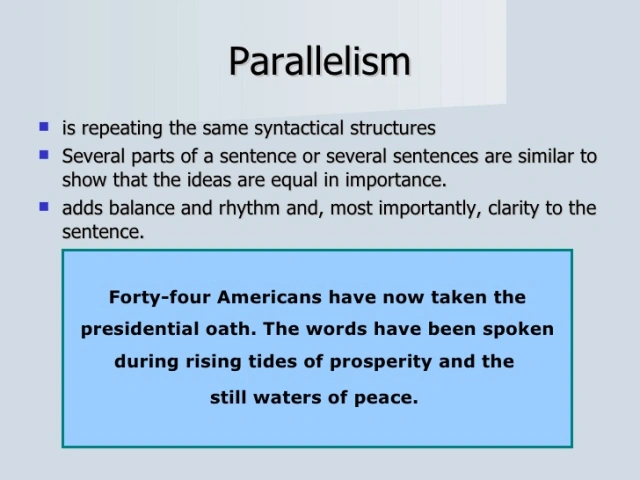
Parallelism in grammar ensures that sentences are grammatically parallel, maintaining consistency in verb tense, structure, or phrasing. For example, a sentence like “She loves to read, to write, and to dream” uses parallel construction to create a smooth, rhythmic effect.
This use of parallelism is prevalent in rhetoric and literature, where writers use it to reinforce ideas and evoke emotions, making parallelism examples in literature a cornerstone of effective communication.
How Does Parallelism Differ from Other Rhetorical Devices?
Parallelism is often confused with other figures of speech like anaphora, epistrophe, and antithesis, but it has distinct characteristics. Anaphora involves repetition at the beginning of successive sentences, while epistrophe repeats words at the end of successive sentences.
Antithesis, on the other hand, contrasts opposing ideas within a parallel structure. Parallelism examples in literature often combine these devices, but parallelism specifically focuses on parallel grammatical structures to create balance.
For example, in speech, parallelism is a common technique to enhance persuasion, as seen in famous examples like Martin Luther King’s “I Have a Dream” speech, where anaphora and parallelism work together: “I have a dream that one day… I have a dream that…” Here, parallelism as a figure of speech amplifies the message. Understanding these distinctions helps readers appreciate how parallelism is found throughout literature and poetry, enhancing the structure of sentences.
What Are the Types of Parallelism?
Parallelism encompasses several types of parallelism, each serving a unique purpose in rhetoric and literature. One specific type of parallelism is synthetic parallelism, where the second sentence builds on the first, adding depth or explanation.
For example, in biblical poetry, a sentence like “The Lord is my shepherd; I shall not want” uses synthetic parallelism to expand the initial idea. This type of parallelism is prevalent in literature and poetry, creating a layered effect.
Other types of parallelism include climactic parallelism, which escalates intensity, and synonymous parallelism, where parallel elements restate the same idea in different words. Parallelism examples in literature often blend these types to enhance sentence structure. For instance, Charles Dickens’ A Tale of Two Cities opens with antithesis and parallelism: “It was the best of times, it was the worst of times.” This parallelism creates a rhythmic contrast, showcasing how types of writing utilize parallelism for impact.
What Are Famous Examples of Parallelism in Speeches?
Parallelism in action shines in speeches, where rhetorical parallelism captivates audiences. A famous quote from Neil Armstrong, “That’s one small step for man, one giant leap for mankind,” uses parallelism to emphasize the monumental nature of the moon landing.
The parallel structure balances the sentence, making it iconic. Similarly, Martin Luther King’s “I Have a Dream” speech is full of parallelism, with repeated phrases like “I have a dream” creating a powerful rhythm.
Parallelism is used in speeches to reinforce key points and inspire action. For example, John F. Kennedy’s inaugural address employs parallelism: “Ask not what your country can do for you, ask what you can do for your country.” This example of parallelism uses antithesis within a parallel construction, making the sentence memorable. Such famous examples demonstrate how parallelism in writing can sway emotions and leave a lasting impact.
How Does Parallelism Enhance Persuasion in Rhetoric?
Parallelism helps persuade by creating a sense of rhythm and balance that resonates with audiences. In rhetoric and literature, writers use parallelism to make ideas more digestible and compelling.
The repetition and parallelism in speeches like Abraham Lincoln’s Gettysburg Address—“government of the people, by the people, for the people”—use parallel structure to emphasize unity. This use of parallelism makes the message stick in the listener’s mind.
Parallelism as a literary device also builds momentum. For instance, Winston Churchill’s wartime speech, “We shall fight on the beaches, we shall fight on the landing grounds,” uses repetition of parallel elements to inspire resilience. By structuring sentences in a grammatically parallel way, parallelism creates a sense of inevitability, making parallelism examples in literature and speech powerful tools for persuasion and emotional engagement.
How Is Parallelism Used in Grammar?
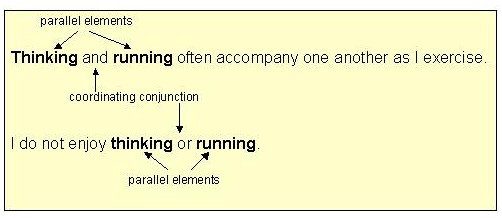
Parallelism in grammar ensures that sentences are grammatically parallel, maintaining consistency in grammatical structure. For example, a sentence like “She enjoys hiking, swimming, and to run” is an example of faulty parallelism because the verb forms are inconsistent. Correcting it to “She enjoys hiking, swimming, and running” demonstrates parallel construction. Parallelism examples in literature often rely on this grammatical sentence structure to create clarity and flow.
Avoiding called faulty parallelism is crucial for effective types of writing. In literature and poetry, parallelism is a stylistic choice that enhances readability. For instance, in Jane Austen’s Pride and Prejudice, parallelism in sentence structure like “It is a truth universally acknowledged…” uses balanced phrasing to emphasize wit. Writers use parallelism in grammar to ensure sentences are cohesive, making parallelism is a common technique in polished writing.
What Are Examples of Parallelism in Literature?
Examples of parallelism in literature highlight how writers use parallelism to enhance sentence structure and meaning. In William Shakespeare’s Julius Caesar, Mark Antony’s speech, “Friends, Romans, countrymen, lend me your ears,” uses parallelism to create a rhythmic appeal. The parallel structure of the sentence builds anticipation, showcasing parallelism as a literary device that captivates audiences. Such literary examples demonstrate parallelism’s versatility.
In poetry, parallelism is found in Walt Whitman’s Leaves of Grass, where repetition of phrases like “I hear America singing” creates a parallel grammatical structure that celebrates diversity. Parallelism examples in literature also include Charles Dickens’ A Tale of Two Cities, where the opening sentences use antithesis and parallelism to contrast extremes.
These instances of parallelism show how parallelism is found throughout literature and poetry, enhancing emotional depth.
How Can Writers Create Parallel Structure Effectively?
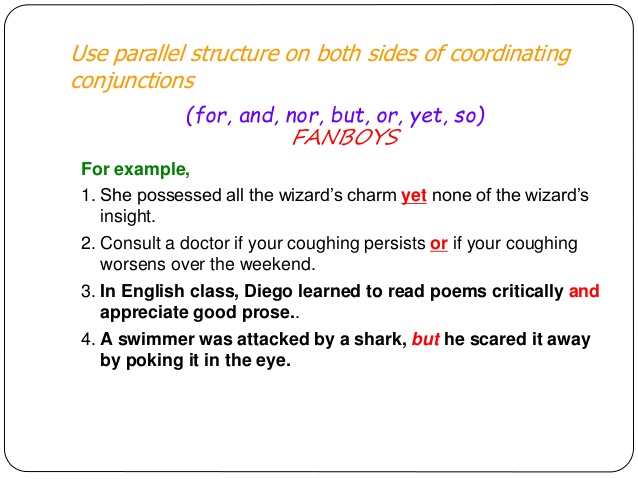
To create parallel structure, writers use parallelism by ensuring sentences have consistent grammatical structure. For example, a sentence like “He likes to swim, to hike, and to bike” uses parallel elements to maintain rhythm.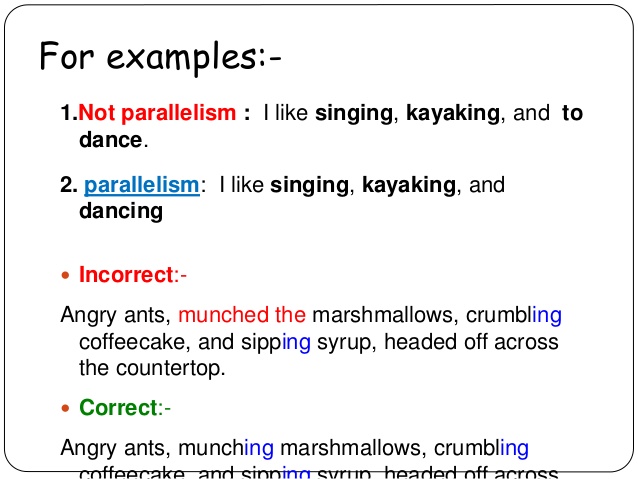
Parallelism in writing requires attention to verb tense, word form, and phrasing. Writers can employ parallelism by using anaphora (repeating words at the beginning of successive sentences) or epistrophe (repeating at the end of successive sentences).
Parallelism allows writers to emphasize key ideas and create a cohesive flow. For instance, in poetry, a poet might use parallel phrases like “I wandered lonely as a cloud, I drifted aimless as a breeze” to evoke imagery. To create a parallel structure, writers should test sentences by reading aloud, ensuring parallelism functions smoothly. Parallelism examples in literature show how this technique enhances types of writing, from prose to poetry.
How Does Parallelism Vary Across Genres?
Parallelism is found across literary genres, adapting to the needs of each form. In poetry, parallelism often uses repetition to create rhythm, as in biblical psalms with synthetic parallelism. In prose, parallelism examples in literature like those in Ernest Hemingway’s sparse sentences create a measured pace.
In speeches, parallelism is commonly used to inspire, as seen in historical orations.
The table below compares parallelism across types of writing:
| Genre | Parallelism Characteristics | Techniques Used | Example Work |
| Poetry | Repetition, synthetic parallelism | Anaphora, epistrophe | Whitman’s Leaves of Grass |
| Prose | Balanced sentence structure | Parallel grammatical structures | Dickens’ A Tale of Two Cities |
| Speech | Persuasive rhetorical parallelism | Repetition, antithesis | King’s “I Have a Dream” |
This comparison shows how parallelism works differently in literature and poetry versus speeches, highlighting its adaptability in creating parallel structure.
What Are Common Mistakes When Using Parallelism?
Faulty parallelism occurs when sentences lack consistent grammatical structure, disrupting the flow. For example, “She likes running, to swim, and biking” is called faulty parallelism because the verb forms don’t match.
Correcting it to “She likes running, swimming, and biking” ensures parallel structure or parallel construction. Parallelism examples in literature avoid this by maintaining grammatically parallel phrasing.
Another mistake is overusing repetition, which can make parallelism feel monotonous. Writers use parallelism effectively by varying sentence length and structure while keeping parallel elements consistent. For instance, over-relying on anaphora without variation can weaken impact. Parallelism is often most effective when balanced with other literary devices, ensuring parallelism functions to enhance, not dominate, the text.
FAQs on Parallelism Examples in Literature
What are parallelism examples in literature?
Parallelism examples in literature include Shakespeare’s “Friends, Romans, countrymen” and Dickens’ “It was the best of times, it was the worst of times,” using parallel structure for emphasis.
What is the definition of parallelism?
The definition of parallelism is the repetition of sentence structure to create rhythm and clarity, a rhetorical device used in literature and poetry to enhance impact.
How does parallelism differ from anaphora?
Parallelism involves repetition of grammatical structure, while anaphora repeats words at the beginning of successive sentences, often within parallelism for added effect.
What is faulty parallelism?
Faulty parallelism occurs when sentences lack consistent grammatical structure, like mixing verb forms, disrupting the flow of parallelism in writing.
How do writers use parallelism in speeches?
Writers use parallelism in speeches to persuade, as in Martin Luther King’s repeated “I have a dream,” creating rhythm and reinforcing key ideas.
Why is parallelism important in writing?
Parallelism helps create clarity, rhythm, and emphasis, making sentences more engaging and memorable across literature and poetry and speeches.
How can writers create parallel structure?
To create parallel structure, writers ensure sentences have consistent grammatical structure, using repetition or anaphora to enhance parallelism in writing.
Conclusion on Parallelism Examples in Literature
Parallelism examples in literature demonstrate the power of parallelism as a literary device that enhances sentence structure and emotional impact. From synthetic parallelism in poetry to rhetorical parallelism in speeches, this rhetorical device creates rhythm and clarity.
Writers use parallelism to make sentences memorable, as seen in famous examples like Martin Luther King’s orations or Dickens’ prose. By avoiding faulty parallelism and balancing repetition, parallelism is a stylistic tool that elevates types of writing, ensuring parallelism creates lasting resonance.
Key Takeaways:
- Parallelism examples in literature use repetition of sentence structure to enhance rhythm and emphasis.
- Parallelism is a literary device that differs from anaphora, epistrophe, and antithesis but often combines with them.
- Types of parallelism like synthetic parallelism add depth to literature and poetry.
- Parallelism in grammar ensures grammatically parallel sentences for clarity.
- Parallelism in action in speeches persuades and inspires through parallel structure.
