



Plancha meaning slang unveils a Spanish word with rich layers, from its literal meaning as a metal plate or grill to its vibrant slang usage in Spanish-speaking communities.
Rooted in Spanish cookery, la plancha refers to a flat, hot metal plate used to cook seafood, meat, or vegetables, but as slang, it takes on playful, regional connotations, especially in places like Mexico and Spain.
This term bridges culinary traditions and language, offering English translations that reflect its diverse applications.
Defining Plancha and Its Core Meaning
What Is the Meaning of Plancha in Spanish?
In Spanish, plancha is a word that literally means a flat metal plate or griddle, commonly associated with cooking.


According to the Spanish-English dictionary, plancha derives from the Latin planca, meaning a flat board, and is used to refer to a smooth surface for culinary purposes, such as grilling fish or meat. In Spanish cookery, la plancha is a hot metal plate that delivers high heat for quick, flavorful cooking, making it a staple in restaurants across Spain and Latin America.
Beyond its culinary roots, plancha has broader meanings. In some contexts, it refers to an iron for pressing clothes, showcasing the term’s versatility in Spanish. The dictionary definition emphasizes its physical form—a flat, metal surface—but its use in language is changing, especially in slang contexts.
Understanding plancha’s core meaning provides a foundation for exploring its English translations and cultural significance, particularly in Spanish-speaking regions.
How Does La Plancha Translate to English?
La plancha translates to English as “the grill,” “griddle,” or “plate,” depending on the context. In culinary settings, English translations of plancha typically focus on its role as a grill used for cooking, emphasizing the flat-top metal plate that delivers hot, even heat.
For example, a sentence like “Cocina el pescado a la plancha” translates to “Cook the fish on the griddle” in English, highlighting its culinary application in Spanish cookery.
In non-culinary contexts, plancha may translate as “iron” for clothes or even a “slab” in construction, showing its diverse meanings. However, in slang, plancha takes on informal meanings that don’t always align with direct translations.
For instance, in Mexico, it can imply something done quickly or carelessly, as in “hacer algo a la plancha” (do something on the fly). These English translations reflect how language is changing, requiring a nuanced guide to grasp la plancha’s full scope in Spanish and English.
Plancha in Culinary Contexts
What Role Does Plancha Play in Spanish Cookery?
In Spanish cookery, plancha is a cornerstone of culinary tradition, referring to a hot metal plate used to cook a variety of dishes.
Known for its high heat and smooth surface, la plancha is ideal for preparing seafood, meat, and vegetables with a fast, rustic flavor. In restaurants across Spain and Latin America, plancha cooking is celebrated for its ability to sear food quickly, preserving texture and taste, as seen in dishes like “gambas a la plancha” (grilled shrimp).
The plancha’s culinary significance lies in its simplicity and versatility. Unlike a traditional grill with grates, the flat-top plancha ensures even cooking, making it a popular method for menu items in Spanish-speaking regions.
For example, a restaurant might advertise “pollo a la plancha” (grilled chicken), showcasing the term’s prominence. This use of plancha in Spanish cuisine underscores its cultural importance, making it a key term for food enthusiasts exploring Spanish culinary traditions.
How Is the Metal Plate Used for Cooking?
The metal plate known as la plancha is a grill used for cooking that delivers intense, direct heat to create a seared, flavorful crust on food. In Spanish cookery, the plancha is typically a smooth, flat metal surface, often made of cast iron or steel, heated to high temperatures.

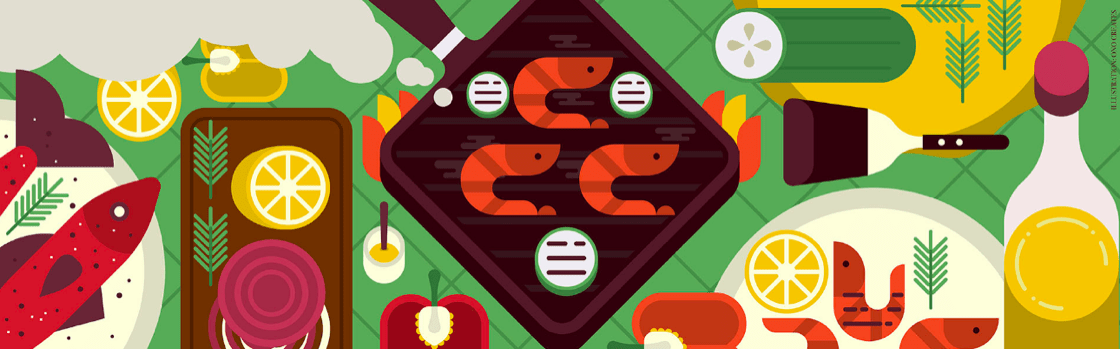
Chefs prepare dishes like fish, seafood, or meat by placing them directly on the hot plancha, allowing for fast cooking that retains moisture and enhances flavor, as seen in rustic Spanish menus.
For example, cooking vegetables on la plancha results in a warm, slightly charred taste, perfect for tapas. The method is straightforward: heat the plancha, lightly oil it, and cook ingredients quickly to avoid overcooking.
This culinary technique is popular in restaurants, where planchas are a staple for creating dishes that feel both rustic and sophisticated. Understanding how to use a plancha enhances appreciation for Spanish cuisine and its diverse influences, from Spain to Mexico.
|
Context |
Plancha Meaning |
Example Usage |
Cultural Relevance |
|---|---|---|---|
|
Culinary |
Metal plate or griddle for cooking |
“Gambas a la plancha” (grilled shrimp) |
Central to Spanish cookery, popular in restaurants |
|
Household |
Iron for pressing clothes |
“Plancha la camisa” (iron the shirt) |
Common in Spanish-speaking homes |
|
Slang (Mexico) |
Done quickly or carelessly |
“Hizo el trabajo a la plancha” (did the job on the fly) |
Informal, reflects Mexican slang |
|
Construction |
Flat slab or plate |
“Instalar una plancha de metal” (install a metal slab) |
Technical use in Spanish industries |
Plancha as Slang in Spanish-Speaking Communities
How Is Plancha Used as Slang in Spanish?
In Spanish-speaking communities, plancha as slang takes on meanings beyond its literal definition. In Mexico, la plancha is often used to refer to something done hastily or without much thought, similar to the English phrase “slapdash.”
For example, saying “lo hice a la plancha” translates to “I did it quickly” or “on the fly,” reflecting a casual approach. This slang use highlights how language is changing, adapting plancha to informal contexts in Spanish.
The slang meaning varies by region, showcasing the diverse nature of Spanish. In some Latin American countries, plancha might imply a mistake or blunder, as in “meter la plancha” (to mess up).
These uses demonstrate the term’s flexibility, moving beyond its culinary or household roots. Understanding plancha as slang requires context, as its meaning shifts depending on the Spanish-speaking community, making it a fascinating word to explore in language.
What Are Examples of La Plancha in Sentences?
Examples of la plancha in sentences illustrate its slang and literal uses in Spanish. Here are a few sentences showcasing its versatility:
-
Culinary: “Voy a cocinar el filete a la plancha para la cena.” (English: “I’m going to cook the steak on the griddle for dinner.”) This reflects plancha’s role in Spanish cookery.
-
Slang (Mexico): “Terminé el proyecto a la plancha porque no tenía tiempo.” (English: “I finished the project on the fly because I didn’t have time.”) This shows the slang use for haste.
-
Household: “Usa la plancha para alisar tu camisa.” (English: “Use the iron to smooth your shirt.”) This highlights a non-culinary meaning.
These sentences demonstrate how plancha adapts to context, from restaurants to casual Spanish conversation. By incorporating la plancha into phrases, speakers convey specific meanings, making it a dynamic term in language that resonates in both Spanish and English translations.
Cultural Influences on Plancha’s Meaning
How Do Spain and Mexico Shape Plancha’s Usage?
Spain and Mexico significantly influence plancha’s meaning and use, reflecting their unique cultural contexts. In Spain, la plancha is deeply tied to culinary traditions, where restaurants feature dishes like “calamares a la plancha” (grilled squid) on menus.
The term is synonymous with Spanish cookery, emphasizing hot, flat-top grilling that’s popular for seafood and meat. This culinary use is central to Spanish identity, showcasing rustic yet refined cooking methods.
In Mexico, plancha extends beyond cooking to slang, where it implies speed or carelessness, as in “trabajo a la plancha” (work done hastily). This slang reflects Mexican language’s playful adaptation of words, influenced by many diverse influences in Latin American culture.
Both countries enrich plancha’s meaning, with Spain grounding it in culinary heritage and Mexico adding informal, dynamic uses, making la plancha a term that resonates across Spanish-speaking communities.
Why Does Plancha Reflect Diverse Culinary Influences?
Plancha’s meaning reflects many diverse influences due to Spanish-speaking regions’ varied culinary traditions. In Spain, la plancha draws from Mediterranean cooking, where hot metal plates are used to prepare seafood and vegetables with minimal oil, emphasizing fresh flavors.
This method has influenced global cuisines, with French and American restaurants adopting plancha cooking for its fast, flavorful results, blending Spanish techniques with local ingredients.
In Latin America, particularly Mexico, plancha incorporates indigenous and colonial influences, adapting the grill for dishes like tacos or carne asada. The term’s versatility reflects the diverse culinary landscape of Spanish-speaking countries, where planchas are used in both rustic street food stalls and upscale restaurants.
This culinary evolution shows how plancha absorbs many diverse influences, making it a popular word in Spanish and English contexts, bridging traditional and modern cooking.
Practical Applications of Plancha in Language and Cooking
How Can You Use Plancha in Everyday Spanish Conversation?
Using plancha in Spanish conversation enhances communication, whether in culinary or slang contexts. For example, in a restaurant, you might say, “Quiero el salmón a la plancha” (English: “I want the salmon grilled on the plancha”), showcasing its culinary use.

In Mexico, dropping slang like “Lo hice a la plancha” (I did it quickly) adds a casual, relatable tone to conversations, resonating with Spanish-speaking peers.
To speak plancha naturally, consider the context and audience. In Spain, focus on its grill meaning when discussing food, while in Mexico, leverage its slang for informal chats. Practicing sentences like “La plancha es perfecta para cocinar rápido” (English: “The griddle is perfect for fast cooking”) builds fluency.
This guide to plancha’s use helps learners incorporate the term into Spanish language, making it a versatile phrase for everyday interactions.
What Are Tips for Cooking with a Plancha in Restaurants?
Cooking with a plancha in restaurants requires techniques to maximize its hot, flat-top surface. Here are tips to prepare dishes effectively:
-
Preheat Thoroughly: Ensure the plancha is hot (around 400°F) to achieve a proper sear on meat or seafood.
-
Use Minimal Oil: Lightly oil the metal plate to prevent sticking while keeping flavors rustic and clean.
-
Cook Quickly: Plancha’s high heat is ideal for fast cooking, so monitor fish or vegetables to avoid overcooking.
-
Clean Regularly: Wipe the smooth surface between uses to maintain flavor and hygiene in restaurant settings.
These tips make la plancha a popular tool for Spanish cookery, from Spain’s tapas bars to Mexican taquerias. By mastering plancha cooking, chefs can create warm, flavorful dishes that highlight the term’s culinary significance, appealing to diners seeking authentic Spanish or Latin American menu items.
FAQs on Plancha Meaning Slang
What does plancha mean in Spanish?
Plancha means a flat metal plate or griddle in Spanish, used for cooking or ironing clothes, with slang meanings like “hastily” in Mexico.
How is la plancha used in Spanish cookery?
La plancha is a hot metal plate for fast cooking of seafood, meat, or vegetables, popular in Spanish restaurants.
What is the slang meaning of plancha in Mexico?
In Mexico, plancha as slang means doing something quickly or carelessly, like “a la plancha” (on the fly).
How does plancha translate to English?
Plancha translates to grill, griddle, or iron in English, depending on culinary or household context.
Can plancha be used in everyday Spanish conversation?
Yes, plancha is used in culinary contexts like “pollo a la plancha” or as slang in Mexico for quick tasks.
What are examples of la plancha in sentences?
E.g., “Cocina a la plancha” (cook on the griddle) or “Hizo el trabajo a la plancha” (did the job quickly).
Why is plancha significant in Spanish-speaking cultures?
Plancha reflects culinary traditions in Spain and slang in Mexico, showcasing diverse language and cooking influences.
Conclusion of Plancha Meaning Slang
Plancha meaning slang reveals a Spanish word with diverse applications, from a hot metal plate in Spanish cookery to a playful slang term in Mexico.
As a grill or griddle, la plancha is central to preparing rustic dishes like seafood or meat, while its slang use reflects Spanish-speaking communities’ dynamic language.
Whether used in restaurants or casual conversation, plancha bridges culinary and cultural contexts, with English translations capturing its flat-top cooking essence or informal connotations.
Plancha’s significance spans Spain’s culinary heritage and Mexico’s slang innovations, reflecting many diverse influences.
By mastering its use in sentences or cooking techniques, individuals can speak and cook with authenticity, enhancing their appreciation for Spanish language and cuisine.
From restaurants to everyday chats, la plancha remains a popular, multifaceted word, embodying the warm, vibrant spirit of Spanish-speaking cultures.


