



Realism examples in literature highlight the way writers portray ordinary life with accuracy, detail, and authenticity. Unlike romanticism or fantasy, realism focuses on believable characters, relatable struggles, and everyday settings.
Authors such as Leo Tolstoy in War and Peace and Mark Twain in Adventures of Huckleberry Finn used realism to capture social issues, human flaws, and moral conflicts. These works show realistic dialogue, natural environments, and lifelike emotions, allowing readers to connect deeply with the characters. Realism examples in literature are powerful because they mirror real society, reflecting struggles like poverty, family, and justice, making them timeless and impactful in storytelling.
Origins and Evolution of Literary Realism
The history of realism traces back to the 1840s in France, where it arose as a reaction against the excesses of romanticism. Authors began rejecting heroic tales and emotional extremes, instead opting for narratives grounded in observable facts. This realism as a movement drew inspiration from scientific advancements and social upheavals, positioning literature as a tool for reflection rather than escape.


In its early stages, literary realism emphasized meticulous descriptions of environments and characters, often drawing from personal observations. For instance, French writers led the charge, creating works that dissected societal layers. As it evolved, realism is a movement that adapted to cultural contexts, incorporating local dialects and customs to enhance authenticity. This progression marked a significant departure in literary history, influencing subsequent genres and encouraging writers to stay in touch with the real world.
By the late 19th century, literary realism had solidified its place, with authors experimenting with narrative techniques to capture psychological depths alongside external realities. This evolution ensured its lasting relevance, as it continued to address timeless human concerns.
Key Characteristics of Realism in Literature
Realism in literature is defined by its commitment to portraying life without idealization, focusing on middle and lower class experiences. Central to this is the use of dialect and vernacular speech, which adds layers of authenticity to character dialogues. Realism often explores moral ambiguities, avoiding clear-cut heroes or villains to reflect real conditions.
A hallmark of the realism genre is its objective narrative style, where authors act as impartial observers. This literary style allows for detailed depictions of social and political issues, making stories vehicles for critique. For example, realist literature frequently highlights inequalities, prompting readers to question societal norms.
Furthermore, realism is a literary approach that integrates everyday details, from mundane routines to complex relationships, creating immersive worlds. This method not only entertains but educates, bridging the gap between fiction and reality.
What Is the Definition of Realism?
The definition of realism centers on faithfully representing life as it is, eschewing exaggeration for accuracy. In essence, realism definition involves depicting characters shaped by their environments, with outcomes driven by plausible causes rather than fate or divine intervention.
Expanding on this, the realism definition includes elements like verisimilitude, where events mimic real-life probabilities. This ensures narratives resonate with audiences, as they recognize familiar struggles and triumphs. Realism is also adaptable, allowing variations across cultures while maintaining its core ethos.
In practice, the definition of realism guides writers to prioritize observation over invention, resulting in stories that endure through their honesty.
Exploring Naturalism as an Extension of Realism
Naturalism builds upon realism and naturalism principles by incorporating scientific determinism, viewing humans as products of heredity and environment. This form of realism posits that free will is limited, with characters often succumbing to inescapable forces.
Naturalism in literature emerged in the 1880s, influenced by Darwin’s theory of evolution. It delves deeper into social and environmental phenomena, portraying life with unflinching detail. Authors embracing naturalism believed that science can explain all social behaviors, leading to narratives filled with grit and inevitability.
As a literary movement, naturalism intensifies realist techniques, focusing on the working class and their battles against systemic barriers. This extension enriches the realism genre, offering profound insights into human vulnerability.
Difference Between Realism and Naturalism
The difference between realism and naturalism lies primarily in philosophy: while realism allows for individual agency, naturalism emphasizes determinism. Realism observes society neutrally, but naturalism applies scientific scrutiny, often resulting in tragic conclusions.
In terms of style, the difference between realism and naturalism appears in tone—realism can be hopeful, whereas naturalism is typically pessimistic. For instance, a realist might show characters overcoming obstacles through effort, but a naturalist would attribute failures to biological or societal constraints.
Understanding this difference between realism and naturalism helps appreciate how naturalism evolved as a more rigorous subset, pushing boundaries in literary criticism.
Types of Literary Realism and Their Unique Features
Types of literary realism vary, each highlighting different facets of reality. Psychological realism focuses on internal thoughts and emotions, delving into characters’ minds for nuanced portrayals. This type of realism enhances depth, as seen in intricate character studies.
Social realism, another variant, critiques societal structures, often depicting the working class in their struggles. It serves as social commentary, exposing injustices. Magical realism, blending the ordinary with magical elements, adds whimsy while grounding stories in cultural truths.
Other types of literary realism include socialist realism, which promotes ideological themes, and kitchen sink realism, emphasizing domestic grit. These forms demonstrate the versatility of realism.
| Type of Realism | Core Focus | Key Examples | Influence on Literature |
| Psychological Realism | Inner psyche | Henry James’s works | Deepened character development |
| Social Realism | Societal critiques | Upton Sinclair’s novels | Sparked social reforms |
| Magical Realism | Fantastical integration | Gabriel García Márquez | Expanded narrative boundaries |
| Socialist Realism | Ideological promotion | Soviet literature | Shaped political narratives |
| Kitchen Sink Realism | Everyday hardships | British plays | Influenced modern drama |
This table illustrates how diverse types of literary realism adapt to convey truths.
Famous Examples of Realism in Literature
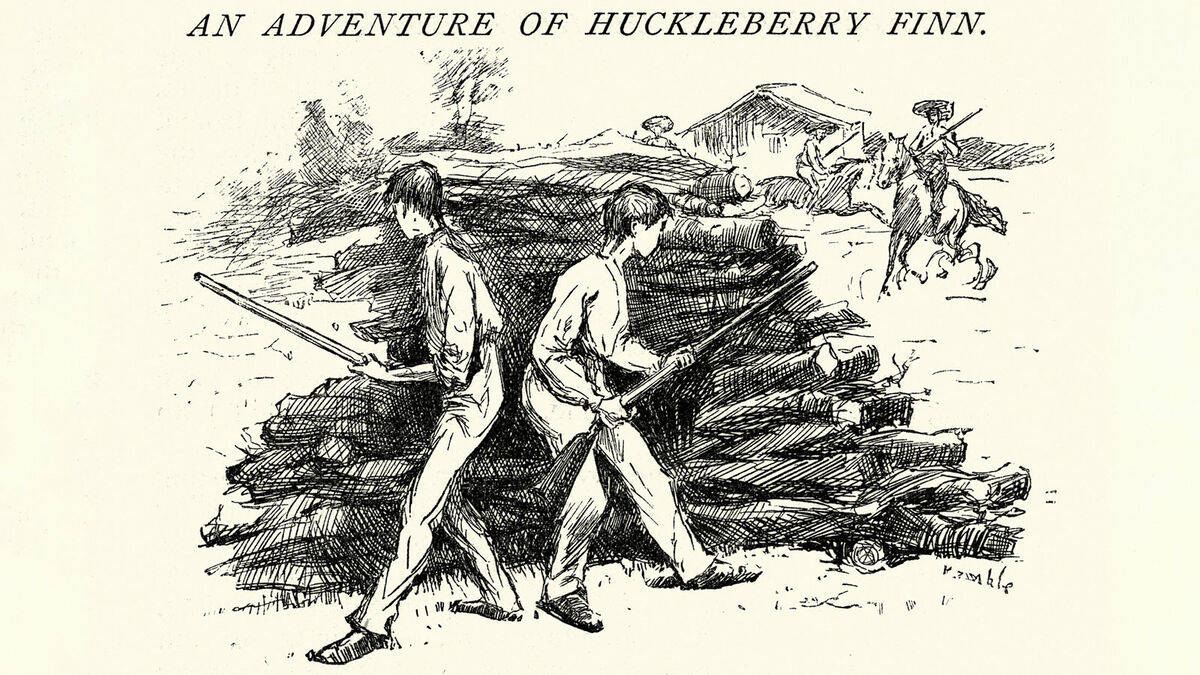

Examples of realism abound in classic texts that capture societal essences. Mark Twain‘s “Adventures of Huckleberry Finn” exemplifies this through its use of regional dialect and exploration of racism, making it a cornerstone of American realism.
Another example of realism in literature is Gustave Flaubert‘s “Madame Bovary,” which dissects bourgeois dissatisfaction with unflinching honesty. This work of realism influenced generations, showcasing how realism often reveals personal disillusionments.
Examples of realism in literature also include Edith Wharton‘s “The Age of Innocence,” critiquing high society norms. These realist works remain vital for their timeless relevance.
Pioneering Realist Writers and Their Contributions
Realist writers like Honoré de Balzac pioneered expansive social portraits in his “La Comédie Humaine,” one of the earliest examples of comprehensive realist novel series. His detailed chronicles set standards for authenticity.
Henry James, an American realist, mastered psychological realism in novels like “The Portrait of a Lady,” focusing on moral complexities. Fyodor Dostoevsky added philosophical layers, blending realism with introspection in Russian literature.
Authors include John Steinbeck, whose depictions of migrant workers in “The Grapes of Wrath” embody social realism. These realist writers transformed literature and art by prioritizing truth over embellishment.
Realism in American Literature: A Distinct Flavor
American literature embraced realism post-Civil War, with writers like Mark Twain capturing frontier life in “Adventures of Huckleberry Finn.” This era’s American realism highlighted regional diversity and moral dilemmas.
John Steinbeck furthered this in naturalism, portraying economic hardships. Edith Wharton explored elite circles, adding sophistication to American literature.
The realism genre in America often intertwined with social and political critiques, influencing global perceptions.
Naturalism in Literature: Key Principles and Examples
Naturalism in literature applies scientific methods to storytelling, with the belief that science governs human fate. Émile Zola‘s “Germinal” serves as a prime example of naturalism, depicting miners’ doomed struggles.
This approach explains all social and environmental factors influencing characters, often leading to bleak outcomes. Naturalism thus extends realism, intensifying its scrutiny.
An example of naturalism is Theodore Dreiser’s “Sister Carrie,” illustrating urban determinism. Such literary works underscore environmental impacts.
Transition from Romanticism to Realism

Romanticism and realism represent opposing philosophies: romanticism idealized emotion and nature, while realism grounded narratives in facts. This shift occurred amid industrialization, rejecting romantic literature‘s escapism.
Romanticism celebrated individualism, but realism focused on collective realities. The transition marked progress in movement in literature, fostering more analytical storytelling.
In romanticism and realism, the latter’s objectivity prevailed, reshaping literary technique.
Realism in the United Kingdom: Influences and Works
Realism in the United Kingdom flourished in Victorian times, with George Eliot’s “Middlemarch” exemplifying detailed social tapestries. This integrated English literature with realist art.
Charles Dickens evolved toward realism, exposing poverty. Realism in the United Kingdom often addressed class divides, influencing theatrical realism.
This regional variant enriched world literature, blending tradition with innovation.
Impact of Realism on World Literature
In world literature, literary realism transcended borders, inspiring Latin American magical realism and Asian adaptations. It fostered cross-cultural dialogues on universal themes.
French realism by Gustave Flaubert set global standards, while Russian contributions added depth. Realism thus unified diverse narratives.
Its legacy in world literature promotes empathy through shared human experiences.
- Literary realism prioritizes accuracy over fantasy, capturing aspects of life in detail.
- Naturalism extends this by applying scientific principles to explain all social and environmental factors.
- Key differences include philosophy: agency in realism versus determinism in naturalism.
- Influential authors like Twain, Flaubert, and Steinbeck exemplify the movements’ impact.
- Variations such as psychological realism and magical realism showcase versatility.
- Transitions from romanticism highlight realism‘s role in advancing literary technique.
- Global adaptations in English literature and French realism underscore universal appeal.
FAQs Realism Examples in Literature
What is literary realism?
Literary realism is a literary style that depicts everyday life accurately, focusing on ordinary people and social and political issues without idealization, emerging in the 19th century as a counter to romanticism.
How does naturalism differ from realism?
The difference between realism and naturalism is that naturalism incorporates scientific determinism, viewing humans as controlled by environment and heredity, while realism allows more free will.
What are some examples of realism in literature?
Examples of realism in literature include Mark Twain‘s “Adventures of Huckleberry Finn,” Gustave Flaubert‘s “Madame Bovary,” and Edith Wharton‘s “The Age of Innocence,” all portraying authentic societal issues.
Who are key realist writers?
Key realist writers include Honoré de Balzac, Henry James, Fyodor Dostoevsky, and John Steinbeck, known for their detailed observations and social commentary in realist literature.
What is magical realism?
Magical realism is a type of realism that blends everyday reality with magical elements, common in Latin American works like those of Gabriel García Márquez, enhancing cultural storytelling.
How did romanticism influence realism?
Romanticism and realism contrast sharply, with romanticism‘s emotional focus prompting realism‘s objective response, leading to a shift toward grounded narratives in literary history.
What role does social realism play?
Social realism highlights working class struggles and inequalities, serving as social commentary to advocate change, as seen in Upton Sinclair’s exposes.
Conclusion on Realism Examples in Literature
Literary realism and its offshoot naturalism have profoundly shaped world literature by insisting on truthful depictions of human existence. From the realism art movement‘s origins in Europe to its adaptations in American literature and beyond, these approaches have dissected social and political dynamics, psychological intricacies, and environmental influences.
By evolving from romanticism‘s idealism to realism‘s grounded narratives, they have enriched literary works with authenticity and relevance. Today, variations like magical realism and socialist realism continue to inspire, ensuring literature remains a mirror to society. The enduring power of realism and naturalism lies in their ability to foster understanding and provoke thought, making them indispensable in literary criticism.


