



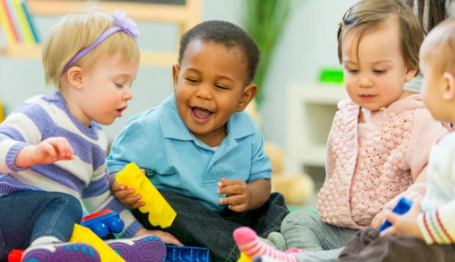
Navigating the early months of your baby’s life is both an exciting and challenging journey. As a new parent, understanding what are social milestones for a newborn can help you nurture their emotional and social growth. These milestones offer insights into your baby’s development from birth to their first birthday. By recognizing and supporting these behaviors, you ensure a healthy and happy development for your little one. This guide will explain what to expect and provide practical tips for encouraging your baby’s social interactions.
Social Milestones from Birth to 2 Months
Recognizing Early Social Cues
In the initial couple of months, your baby is starting to adjust to life outside the womb. During this time, their social interactions, though subtle, are significant for building connections. Your baby recognizes your voice and scent, offering them comfort and security. They may also start locking eyes with you around six to eight weeks—a big step in social bonding.
Babies love observing faces and might turn their heads towards familiar voices, showing early interest. By the end of this stage (around 6 to 8 weeks), your baby might flash their first genuine smile in response to you. This special moment is their first way of saying, “I know you, and I like you!”
How Parents Can Encourage Social Interaction
To nurture these early social milestones, speak and sing to your baby often. Hold them close so they can recognize your voice and scent more easily. Engage in gentle eye contact while talking or singing softly. These activities can calm and comfort them, strengthening your bond. Encourage their first smiles by smiling often and reacting positively to their attempts at communication.
Social Milestones from 2 to 4 Months
Smiling and Cooing: Early Signs of Social Connection
Between 2 to 4 months, your baby’s social skills become more visible. They now respond to you and their favorite faces with frequent smiles, indicating they are engaging more with their surroundings. Around this age, babies start making cooing sounds, their initial attempts at conversation, showing excitement and a desire to communicate.
Your baby will begin to recognize familiar faces and may show a preference for you and other primary caregivers. They might also mimic facial expressions, laying the foundation for future social learning.
Building Trust with Familiar Faces
To build trust, respond to your baby’s actions with warmth and consistency. When they coo, coo back, and maintain eye contact, making them feel heard. Show them different facial expressions to encourage mimicry, and give your baby plenty of smiles. Spending time in close contact, such as during feedings or while cuddling, will further strengthen this bond. Your positive reinforcement builds their confidence and trust in social interactions.
Social Milestones from 4 to 6 Months
Laughing and Interactive Play
As your baby enters the 4 to 6-month stage, they become more expressive and interactive. You’ll notice them laughing in response to playful faces, tickles, or funny sounds. They might kick their legs, wave their arms, or squeal with delight when they see you or their favorite toy.
Babies in this stage also start reaching for people, indicating a desire to be picked up and interact. Their babbling becomes more expressive, and they may turn to their name when called—a memorable and heartwarming milestone.
Enhancing Bonding Through Playful Communication
Engage in interactive play to help your baby practice social skills. Play simple games like peekaboo or pat-a-cake, and encourage them to laugh by making funny faces and sounds. Respond to their babbling with enthusiasm, treating it as a real conversation. This interactive play enhances communication skills and strengthens your emotional connection.

Social Milestones from 6 to 12 Months
Stranger Anxiety and Emotional Expression
From 6 to 12 months, stranger anxiety and visible emotional expressions become more prominent. Your baby may become wary of unfamiliar people and might cling to you, showing preference for familiar caregivers. Separation can cause distress, indicating growing attachment and social awareness.
Additionally, they may exhibit a wider range of emotions, such as joy, frustration, or excitement, through expressive body language and facial expressions. Simple social games like peekaboo become more enjoyable as they understand the concept of social play.
Encouraging Independent Social Exploration
Encourage your baby’s social exploration by gradually introducing them to new people and environments. Offer reassurance when they show anxiety, helping them adjust at their own pace. Continue playing interactive games and responding to their attempts at communication. Support their independence by providing safe opportunities for exploration and social interaction.
Conclusion
Watching your baby grow and develop social skills is a deeply fulfilling journey. Each milestone represents a step toward building relationships and expressing emotions. While every baby develops at their own pace, being aware of these social milestones ensures you can support their growth confidently. Continue to engage, respond, and play with your baby, as your love and attention are key drivers of their social and emotional development. Celebrate each small milestone, knowing you are nurturing a healthy, happy child ready to explore the world.


