


Resolution definition literature reveals the essence of a story’s conclusion, where the main conflict is addressed, and the narrative comes to a close. In every good story, the resolution ties up loose ends, offering readers a sense of closure that resonates long after the end of the book.
This critical part of the plot transforms the chaos of the climax into a meaningful finale, ensuring the story’s conflict is resolved and the story concludes with purpose.
From William Shakespeare’s tragedies to modern dystopian novels, the resolution in literature shapes how readers perceive the story’s plot, making it a cornerstone of storytelling.
What Is the Definition of Resolution in Literature?
Resolution definition literature refers to the final part of a narrative where the central conflict is addressed, and the story ends. The resolution is the part where the protagonist’s struggles are resolved, questions are answered, and the narrative ties together all plot points.
Unlike the denouement, which may follow to wrap up minor details, the resolution focuses on resolving the story’s conflict, ensuring a clear resolution that aligns with the narrative’s thematic goals. For example, in Cinderella, the resolution occurs when she marries the prince, resolving her struggle against her oppressive stepfamily.
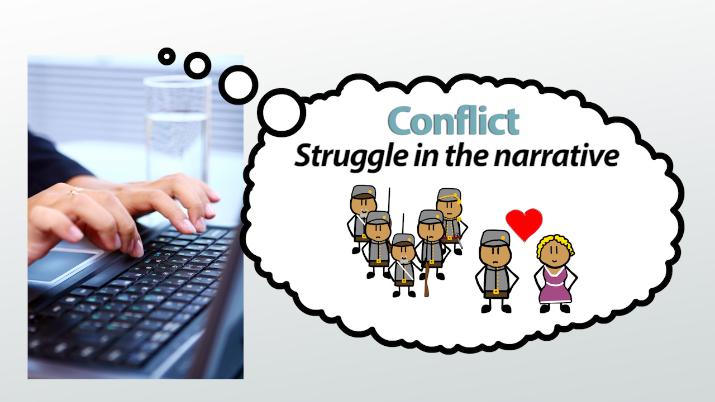
This part of the story is crucial because it provides closure, leaving the reader feeling satisfied. Without a well-crafted resolution, a story risks feeling unresolved, with lingering questions that frustrate audiences. The resolution in literature not only concludes the main conflict but also highlights character growth, reinforcing the arc of the protagonist. By understanding resolution definition literature, readers and writers can appreciate how this element drives the plot toward a cohesive end.
Why Does Resolution Matter in Storytelling?
The resolution is vital because it provides a satisfying conclusion, ensuring the story is concluded meaningfully. It’s where the story’s resolution brings clarity to the narrative, addressing the central struggle and leaving a lasting impression. A strong resolution can elevate a story, making it memorable, while a weak one may leave readers dissatisfied. For instance, a resolution that fails to address unanswered questions can disrupt the reader’s feeling of closure, diminishing the story’s impact.
Moreover, the resolution in literature serves to reinforce the thematic elements introduced throughout the story. Whether it’s a happy ending or a tragic close, the resolution plays a pivotal role in shaping the narrative’s emotional weight. By mastering resolution definition literature, writers ensure their stories resonate, offering readers a sense of fulfillment that aligns with the story’s plot.
How Does Resolution Fit into the Story’s Plot?
The resolution is a key part of the plot, occurring after the climax is the turning point where the main conflict reaches its highest intensity. The climax of the story marks the peak of tension, followed by the falling action, which transitions into the resolution. This sequence ensures the story begins with exposition, builds through rising action, peaks at the climax, and comes to a close in the resolution.
In the falling action, the narrative starts to unwind, setting the stage for the resolution to resolve the central conflict. For example, in a story where the main character faces the conflict, the resolution shows the outcome of their struggle, tying up loose ends. Understanding resolution definition literature helps writers structure their story’s plot to ensure a seamless flow from tension to closure.
What Are the Key Elements of a Strong Resolution?
A strong resolution is marked by its ability to provide closure while addressing all major plot points. It ensures the conflict is resolved without leaving unanswered questions, creating a sense of completion. Key elements include:
- Character growth: The protagonist evolves, reflecting changes from their central struggle.
- Thematic alignment: The resolution reinforces the story’s core messages.
- Tying loose ends: All subplots and lingering questions are addressed.
- Emotional impact: The resolution brings a lasting impression, whether joyful or bittersweet.
By focusing on these, writers can craft a resolution that feels earned. For instance, in Romeo and Juliet, the resolution reconciles the feuding families, aligning with the thematic focus on love’s consequences, embodying resolution definition literature.
How Does Resolution Differ from Falling Action and Denouement?
The resolution is distinct from other plot elements like falling action and denouement, though they work together. The falling action follows the climax, easing the tension as the story moves toward closure. The resolution occurs next, resolving the main conflict and ties together the narrative. The denouement, if present, wraps up minor details post-resolution.
| Plot Element | Purpose | Placement | Example |
| Exposition | Sets up the story begins with characters and setting | Beginning of the story | Cinderella’s life with her stepfamily |
| Rising Action | Builds tension through events | Before climax | Cinderella’s preparations for the ball |
| Climax | Turning point in a story where conflict reaches its highest intensity | Middle | Cinderella flees at midnight |
| Falling Action | Transitions from climax to resolution | Post-climax | The prince searches for Cinderella |
| Resolution | Resolves the central conflict, providing closure | End of the book | Cinderella marries the prince |
This distinction ensures the resolution definition literature is clear, highlighting its role in concluding the story’s plot.
What Are Some Examples of Resolutions in Classic Literature?
Examples of resolution in literature showcase how authors use resolution to conclude narratives. In William Shakespeare’s Romeo and Juliet, the resolution follows the climax where the lovers die. The families’ reconciliation resolves the feud, providing a satisfying conclusion despite the tragedy. This resolution embodies resolution definition literature by addressing the central conflict of hatred.
Similarly, in Cinderella, the resolution sees the protagonist marrying the prince, resolving her struggle between opposing forces. The happy ending ties together her arc, rewarding her kindness. These examples of resolutions highlight how resolution in literature can vary in tone but always aims to provide closure.
How Is Resolution Used in Contemporary Literature?
In contemporary literature, resolution often takes innovative forms, reflecting modern complexities. In dystopian novels like The Hunger Games, the resolution resolves the rebellion but leaves the protagonist with emotional scars, blending triumph with realism. This different resolution challenges traditional happy ending expectations, aligning with resolution definition literature by offering a nuanced close.
Modern authors may also leave stories unresolved to mirror life’s ambiguities. For instance, in Never Let Me Go by Kazuo Ishiguro, the resolution accepts the characters’ tragic fate, leaving readers with a poignant reader feeling. Such approaches in contemporary literature show how resolution plays a dynamic role across different genres.
How Can Writers Use Resolution to Enhance Their Stories?
To use resolution effectively, writers must ensure the story’s resolution aligns with the narrative’s tone and themes. A well-crafted resolution ties together the story’s conflict and character arcs, avoiding unanswered questions. Here’s how to craft one:
- Define the conflict early: Establish the central struggle in the rising action.
- Build to the climax: Make the climax is the turning point impactful.
- Smooth transitions: Use falling action to set up the resolution.
- Resolve all threads: Address loose ends and subplots.
- Evoke emotion: Ensure the resolution brings a lasting impression.
By following these steps, writers can create a resolution that embodies resolution definition literature, ensuring the story is concluded effectively.
What Makes a Resolution Feel Unsatisfying?
An unsatisfying resolution often fails to resolve the main conflict or leaves lingering questions. For instance, if a story where the main conflict is rushed or ignored in the resolution, the reader is left confused. A resolution that contradicts the thematic elements or ignores character growth can also feel hollow.
To avoid this, writers should ensure the resolution ties together all plot points, aligns with the arc, and provides closure. Testing the resolution by reading aloud can help gauge its impact, ensuring it adheres to resolution definition literature.
How Does Resolution Impact Reader Feeling?
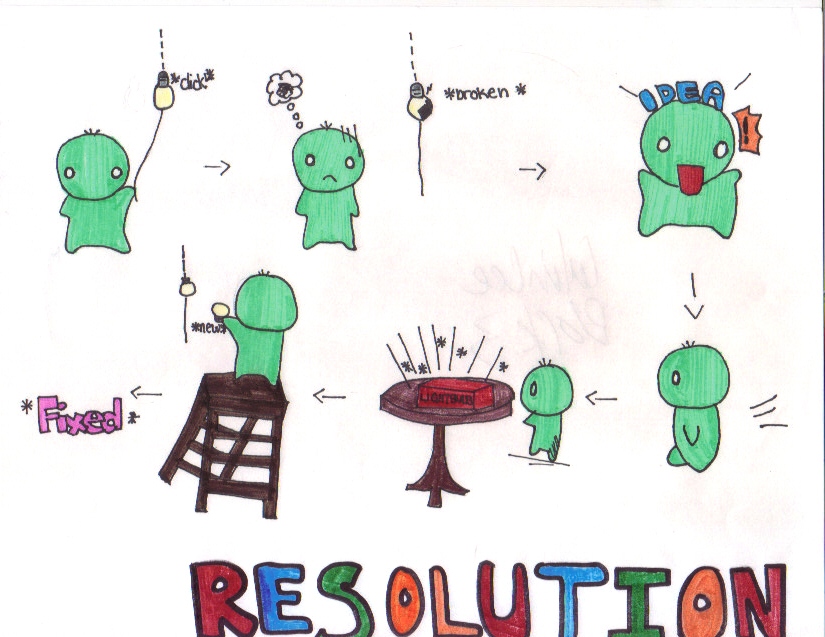
The resolution significantly shapes reader feeling, determining whether the story ends on a high or low note. A strong resolution resolution brings catharsis, making the reader is left with a sense of fulfillment. For example, a happy ending like Cinderella’s uplifts, while a tragic resolution like Romeo and Juliet’s evokes reflection.
The resolution can significantly influence how readers interpret the thematic messages. By crafting a clear resolution, writers ensure the reader feeling aligns with the story’s plot, embodying resolution definition literature through emotional resonance.
FAQs About Resolution in Literature
What is the resolution definition literature?
The resolution in literature is the final part where the main conflict is resolved, providing closure and tying up loose ends in the story’s plot.
How does resolution differ from climax?
The climax is the turning point in a story where tension peaks, while the resolution resolves the conflict, occurring after the falling action.
Why is a strong resolution important?
A strong resolution ensures the story is concluded meaningfully, addressing plot points and leaving a lasting impression on readers.
Can a resolution be unresolved?
Yes, in contemporary literature, an unresolved resolution may reflect life’s complexities, leaving lingering questions to provoke thought.
What are some examples of resolutions?
Examples include Cinderella’s marriage (happy) and Romeo and Juliet’s family reconciliation (tragic), showcasing varied resolution types.
How does falling action lead to resolution?
Falling action bridges the climax and resolution, easing tension and setting up the central conflict’s resolution.
How can writers use resolution effectively?
Writers can use resolution by resolving loose ends, ensuring character growth, and aligning with thematic elements for a satisfying conclusion.
Conclusion on Resolution Definition Literature
The resolution definition literature underscores the resolution as a pivotal part of a narrative, where the story’s conflict is resolved and the story concludes. From William Shakespeare’s tragic endings to Cinderella’s happy ending, the resolution in literature shapes how readers perceive the story’s plot.
A well-crafted resolution ties together character arcs, addresses unanswered questions, and provides closure, leaving a lasting impression.
Whether in contemporary literature or classic tales, the resolution plays a crucial role in providing a satisfying conclusion. By understanding and applying resolution definition literature, writers can craft stories that resonate across different genres, ensuring the reader is left with a sense of fulfillment.
Key Takeaways:
- Resolution is the final part where the central conflict is resolved, embodying resolution definition literature.
- A strong resolution addresses loose ends, aligns with thematic goals, and ensures character growth.
- Examples of resolutions vary, from Cinderella’s joy to Romeo and Juliet’s tragedy, showcasing versatility.
- Writers can use resolution to create impactful endings by focusing on falling action and emotional resonance.
- In contemporary literature, resolution may be unresolved to reflect complex realities, enhancing reader feeling.
