

Rhythm literary definition describes the musical flow created by the pattern of stressed and unstressed syllables in a poem or prose.
In poetry, rhythm is the heartbeat of a line of poetry, shaped by meter, rhyme, and word rhythm to evoke emotion and enhance meaning. This literary device drives the pace and tone, making a poem or narrative feel alive. Whether through the structured iambic pentameter or the fluid free verse, rhythm in literature captivates readers, creating a rhythmic experience that resonates deeply across literary genres.
What Is the Rhythm Literary Definition?
The rhythm literary definition centers on the pattern of stresses in a poem or prose, where stressed and unstressed syllables create a rhythmic flow. Rhythm refers to the natural cadence that emerges when words are arranged to emphasize certain sounds, often likened to music.

In poetry, this rhythm is foundational, giving each verse a distinct pulse that guides the reader’s experience. For example, a stressed syllable followed by an unstressed syllable in an iamb creates a gentle, rising beat, as seen in Shakespeare’s works.
Rhythm in literature isn’t limited to poetry. In prose, rhythm emerges through sentence length, punctuation, and word rhythm, influencing how a narrative feels. The definition of rhythm highlights its role in making texts engaging, as rhythm helps readers connect emotionally with the content. Whether in a poem’s rhythm or a novel’s pacing, this literary device ensures the rhythm is the pattern that carries the story forward, making it memorable and impactful.
How Does Rhythm Differ from Meter?
Rhythm and meter are closely related but distinct literary devices. Meter is the structured framework of stressed and unstressed syllables, forming a metrical pattern like iambic pentameter, which consists of five iambs or ten syllables per line. Rhythm, however, is the broader, more fluid pattern of unstressed and stressed syllables that gives a poem its natural flow. While meter is called the technical backbone, rhythm is the expressive pulse that brings a poem to life.
For instance, a poet might use iambic meter (an unstressed syllable followed by a stressed syllable) to create a consistent beat, but the rhythm in poetry can vary through pauses or word choice, adding emotional depth. Understanding the rhythm literary definition requires recognizing how rhythm and meter work together: meter provides structure, while rhythm adds personality.
This interplay is evident in English poetry, where rhythm plays a crucial role in shaping the reader’s experience across verse poetry.
What Are the Types of Rhythm in Poetry?
Poetry features different types of rhythm, each defined by the arrangement of stressed and unstressed syllables.
A poetic foot is the basic unit, such as an iamb (unstressed syllable followed by one stressed syllable), a trochee (stressed syllable followed by an unstressed syllable), an anapest (two unstressed syllables followed by a stressed syllable), or a dactyl (one stressed syllable followed by two unstressed syllables). These create distinct rhythmic patterns that shape the poem’s rhythm.
Common types of rhythm include iambic rhythm, which feels natural and conversational, and trochaic rhythm, which has a bold, driving beat.
For example, iambic pentameter uses five iambs, creating a steady, flowing rhythm, while trochaic meter emphasizes the first syllable is stressed, giving a forceful tone. Spondees (two stressed syllables) and anapests add variety, allowing poets to craft unique rhythmic effects that enhance the emotional impact of their verse.
What Are Examples of Rhythm in Poetry?
Examples of rhythm in poetry illustrate how rhythm shapes a poem’s emotional tone. In Shakespeare’s Sonnet 18, the iambic pentameter creates a smooth iambic rhythm with five iambs per line, like “Shall I compare thee to a summer’s day?” The unstressed and stressed syllables form a soothing cadence that mirrors the poem’s romantic tone. Similarly, Edgar Allan Poe’s “The Raven” uses trochaic meter, with trochees creating a haunting rhythm that amplifies the poem’s eerie mood.
Another example of rhythm is Robert Frost’s “Stopping by Woods on a Snowy Evening,” which employs iambic meter to create a reflective poetic rhythm. The rhythm examples show how poets manipulate stressed syllables and unstressed syllables to evoke specific feelings. In contrast, Walt Whitman’s free verse in Leaves of Grass relies on natural word rhythm rather than strict meter, demonstrating how rhythm in poetry can vary widely to suit the poet’s intent.
How Does Meter Shape Rhythm in Poetry?
Meter is the structured pattern of stressed and unstressed syllables that underpins poetic meter. Common types of meter include iambic pentameter, trochaic meter, and anapestic meter, each defined by the number of syllables and their stress patterns.
For example, iambic pentameter consists of ten syllables per line, with each iamb being an unstressed syllable followed by a stressed syllable. This meter creates a predictable rhythm that feels natural in the English language.
Other kinds of meter, like trochaic meter, start with a stressed syllable followed by an unstressed syllable, as seen in Longfellow’s “Hiawatha.” Anapests and dactyls offer more complex rhythmic patterns, with anapests having two unstressed syllables followed by a stressed syllable, and dactyls reversing this pattern. These metrical structures ensure the intended rhythm is maintained, allowing poets to craft poems that resonate with readers through consistent rhythm throughout.
What Is the Function of Rhythm in Literature?
The function of rhythm in literary genres is to create a sense of movement and emotional resonance. In poetry, rhythm helps establish the pace, whether it’s the steady beat of iambic meter or the galloping feel of anapestic lines.

This rhythmical quality engages readers, making the poem feel dynamic and alive. For example, a fast-paced rhythm in a battle scene can heighten tension, while a slow rhythm in a reflective verse evokes calmness.
In prose, rhythm in writing emerges through sentence structure and word rhythm. Short, choppy sentences create a tense rhythm, while longer, flowing sentences evoke a lyrical feel. The rhythm literary definition emphasizes how rhythm plays a role in guiding the reader’s emotional journey, ensuring that the rhythm is used to enhance the narrative’s impact across both poetry and prose.
How Does Rhythm Differ in Free Verse vs. Traditional Verse?
Verse poetry often relies on strict meter and rhyme scheme to create a consistent rhythm, as seen in sonnets or ballads.
In contrast, free verse breaks away from metrical patterns, allowing poets to craft rhythm through natural speech patterns and word rhythm. For example, T.S. Eliot’s “The Love Song of J. Alfred Prufrock” uses free verse to create a conversational rhythm in poetry, with varying stressed and unstressed syllables that mimic thought processes.
While verse poetry maintains a predictable pattern of unstressed and stressed syllables, free verse offers flexibility, letting the poet shape rhythm through line breaks and pacing. This rhythm created in free verse can feel more organic, reflecting the English language’s natural cadence. Both approaches demonstrate how rhythm in literature adapts to the poem’s purpose, whether structured or fluid.
How Does Rhythm Vary Across Literary Genres?
Rhythm in literature varies significantly across literary genres, reflecting the unique demands of each form. In poetry, rhythm is tightly controlled through meter and rhyme, creating a musical quality.
In prose, rhythm emerges through sentence length and structure, as seen in the lyrical prose of Toni Morrison’s novels. Drama uses rhythm in dialogue to mimic natural speech, with pauses and pacing shaping the rhythmic flow.
The table below compares rhythm across literary genres:
| Genre | Rhythm Characteristics | Techniques Used | Example Work |
| Poetry | Structured meter, rhyme | Iambs, trochees, anapests | Shakespeare’s Sonnet 18 |
| Prose | Sentence length, pacing | Varied word rhythm, punctuation | Morrison’s Beloved |
| Drama | Dialogue rhythm, pauses | Natural speech, stressed syllables | Miller’s Death of a Salesman |
This comparison highlights how rhythm in literature adapts to each literary genre, with poets and writers using rhythm to enhance emotional and narrative impact.
What Is the Role of Rhythm in English Poetry?
English poetry has a rich tradition of rhythm, shaped by the English language’s natural stress patterns. Rhythm in English often relies on iambic meter, which mirrors the language’s conversational flow, as seen in Chaucer’s Canterbury Tales. The rhythm literary definition in this context emphasizes how poets use stressed and unstressed syllables to create a rhythmical structure that feels intuitive to readers.
Historically, English poetry evolved from Old English’s alliterative verse to the metrical forms of the Renaissance, like iambic pentameter. Poets like John Milton used rhythm to elevate their poems, with rhythm examples like Paradise Lost showcasing ten syllables per line.
This rhythm created a grand, epic tone, demonstrating how rhythm in poetry enhances the poetic experience across centuries.
How Can Writers Create Rhythm in Their Writing?
Creating rhythm in writing requires attention to the rhythm of words and sentences. In poetry, writers use meter and poetic feet like iambs, trochees, or dactyls to craft a consistent rhythm.

For example, an example of iambic rhythm might be “The curfew tolls the knell of parting day,” where the unstressed and stressed syllables create a flowing beat. In prose, varying sentence lengths ensures a dynamic rhythm in writing.
Poets should focus on the number of syllables and their stress patterns to maintain the intended rhythm. Reading aloud helps test the poem’s rhythm, ensuring it flows naturally. For prose writers, using short sentences for tension and longer ones for reflection can shape the rhythm throughout a piece, making the rhythm literary definition a practical tool for engaging readers.
What Are Common Mistakes When Using Rhythm?
One common mistake in using rhythm is over-relying on strict meter, which can make a poem feel mechanical. For example, forcing every line into iambic pentameter without varying the rhythm can stifle creativity. Another error is neglecting rhyme and rhythm balance, where an overly complex rhyme scheme disrupts the poetic rhythm. Writers should ensure rhythm comes naturally, reflecting the poem’s tone.
In prose, inconsistent rhythm in writing—such as abrupt shifts from short to long sentences—can confuse readers. Writers must also avoid ignoring stressed and unstressed syllables in poetry, as this can break the metrical pattern. By focusing on natural word rhythm and testing the rhythm is used effectively, writers can create compelling poems and narratives.
FAQs About Rhythm Literary Definition
What is the rhythm literary definition?
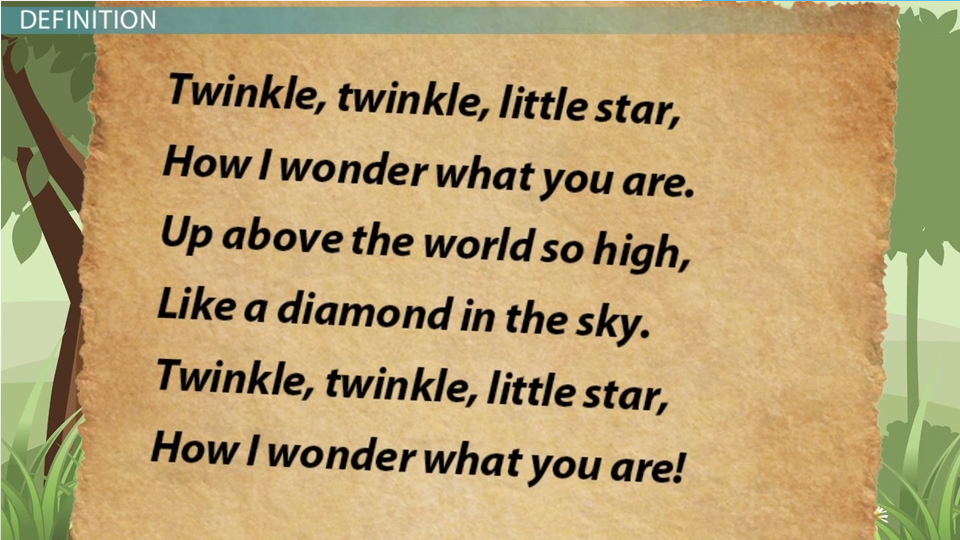
The rhythm literary definition is the flow created by stressed and unstressed syllables in poetry or prose, shaping the poem’s rhythm and emotional tone.
How does rhythm differ from meter?
Rhythm is the natural flow of stressed and unstressed syllables, while meter is the structured metrical pattern, like iambic pentameter, guiding the rhythm.
What are examples of rhythm in poetry?
Examples of rhythm in poetry include Shakespeare’s iambic pentameter in Sonnet 18 and Poe’s trochaic rhythm in “The Raven,” creating distinct emotional effects.
What is a poetic foot?
A poetic foot is a unit of meter, like an iamb (unstressed syllable followed by a stressed syllable) or trochee, shaping the rhythm of a poem.
What are common types of rhythm in poetry?
Common types of rhythm include iambic, trochaic, anapestic, and dactylic, each defined by unique patterns of stressed and unstressed syllables.
How does rhythm enhance literature?
The function of rhythm is to create flow and emotional resonance, making poems and prose engaging by guiding the reader’s experience through rhythmic patterns.
Why is iambic pentameter popular in English poetry?
Iambic pentameter is popular in English poetry because its five iambs mimic the English language’s natural cadence, creating a conversational rhythm.
Conclusion on Rhythm Literary Definition
The rhythm literary definition underscores its role as the pulse of poetry and prose, driven by stressed and unstressed syllables to create a rhythmic flow.
Whether through the structured meter of iambic pentameter or the fluid rhythm of free verse, rhythm in literature enhances emotional impact and engagement. By understanding different types of rhythm, poets and writers can craft poems and narratives that resonate deeply. From Shakespeare’s iambic rhythm to Whitman’s free verse, rhythm plays a vital role in making literary genres vibrant and memorable.
Key Takeaways:
- Rhythm literary definition involves the pattern of stressed and unstressed syllables creating flow in poetry and prose.
- Rhythm and meter differ, with meter providing structure and rhythm adding expressive flow.
- Poetic feet like iambs, trochees, and anapests shape rhythmic patterns in poems.
- Examples of rhythm in poetry show how poets use meter to evoke emotions, from iambic to trochaic rhythm.
- Writers must balance rhyme and rhythm to maintain a natural, engaging poetic rhythm.
