


Rising Action Definition? Rising action is the part of a story where events build tension and develop the main conflict, leading up to the climax.
Rising action is the heartbeat of a compelling narrative, the part of the story where tension builds, stakes rise, and readers are drawn deeper into the plot. In story structure, rising action in a story begins after the exposition and inciting incident, propelling the narrative toward its climax through a series of events that intensify conflict and suspense.
Originating from Gustav Freytag’s dramatic framework, known as Freytag’s pyramid, this element of plot is crucial in every story, making up the longest part of the story in many cases. For example, in Suzanne Collins’ The Hunger Games, the rising action includes Katniss’s preparation and early challenges in the arena, keeping readers on the edge of their seat. With over 70% of a narrative often dedicated to this phase, understanding rising action is essential for writers and readers alike to grasp how stories become unputdownable.
The purpose of the rising action is to build tension and develop the central conflict, whether internal conflict or external conflict, setting the stage for the dramatic climax. By exploring rising action definition, examples of rising action, and its role in plot structure, this article will show how rising action builds momentum, making it a vital part of storytelling that moves the story forward and captivates audiences.
What Is the Rising Action in a Story?
Rising action in a story is the section of the plot where the narrative gains momentum, leading to the climax of the story. It follows the exposition, which introduces characters and setting, and the inciting incident, the event that sparks the main plot. The rising action begins with challenges that complicate the protagonist’s journey, gradually increasing stakes until the story’s climax.
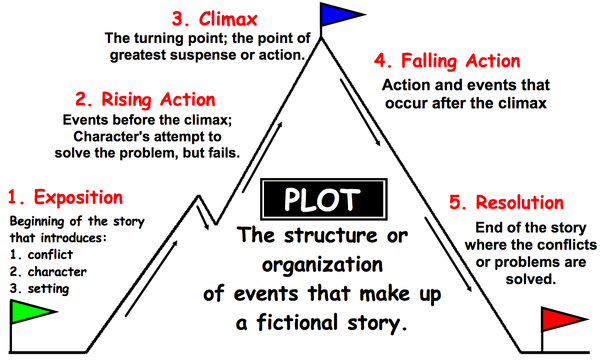
This phase is where the story progresses, introducing obstacles that test characters and deepen engagement. Think of rising action as the climb up a mountain—each step heightens anticipation for the peak. It’s not just a random collection of events; it’s a deliberate series of events that moves the plot toward resolution, ensuring the narrative remains dynamic.
Rising Action Definition and Its Purpose
The rising action definition is the sequence of events that build toward the climax, intensifying conflict and suspense. The function of rising action is to develop the central conflict, whether it’s a character against another, society, nature, or themselves. It’s where tension in the story grows, making the rising action a vital part of narrative momentum.
The purpose of the rising action is multifaceted: it deepens character development, escalates stakes, and keeps readers invested. Without strong rising action, the climax feels unearned, lacking emotional weight. For instance, in a mystery novel, the rising action might involve clues piling up, each discovery pushing the detective closer to a revelation.
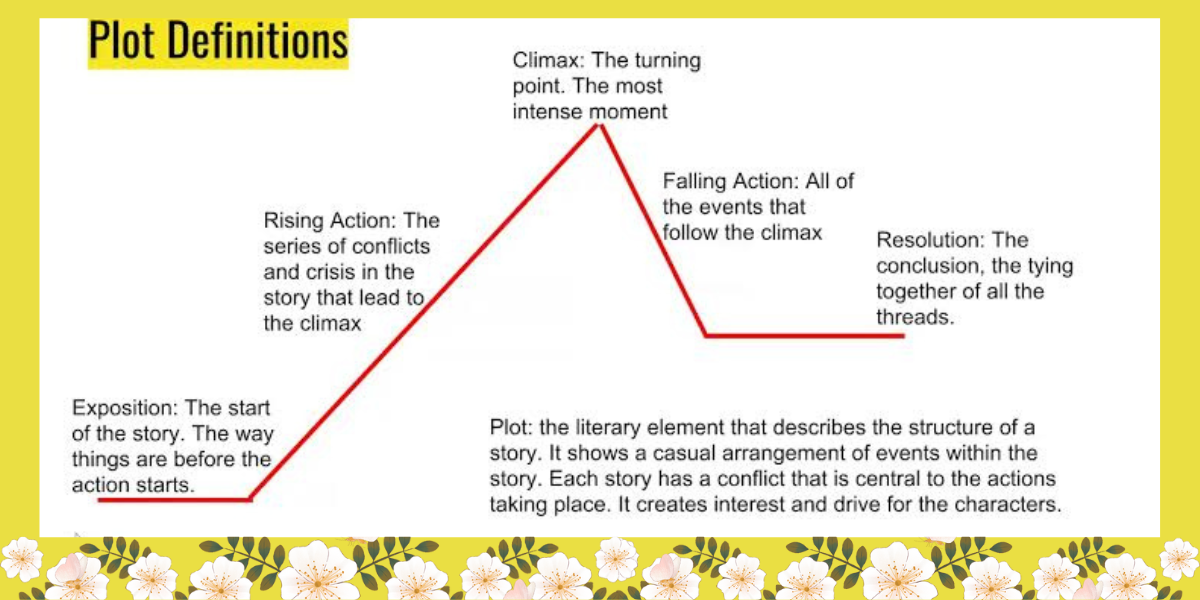
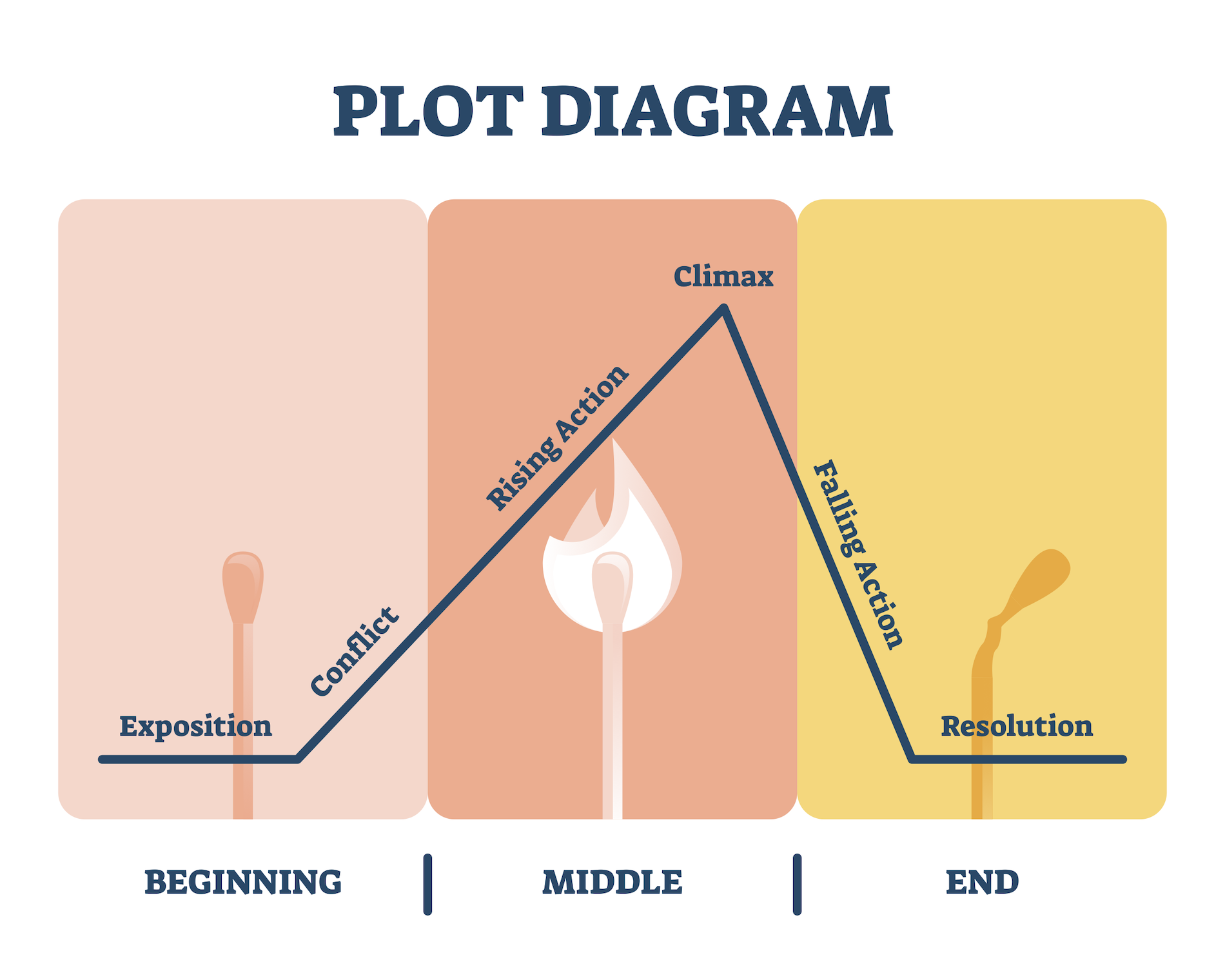
Gustav Freytag, a 19th-century German novelist, outlined the plot structure in Freytag’s pyramid, which includes exposition, inciting incident, rising action, climax, falling action, and resolution. The rising action fit occupies the upward slope, where events in the story build complexity and suspense, leading to the peak—the climax.
In this model, rising action is often the longest part of the story, as it encompasses multiple challenges and developments. For example, in Shakespeare’s Romeo and Juliet, the rising action includes the lovers’ secret meetings and escalating family tensions, setting up the tragic climax. This framework helps writers describe the rising action as a structured ascent, ensuring a cohesive narrative arc.
Features of Rising Action
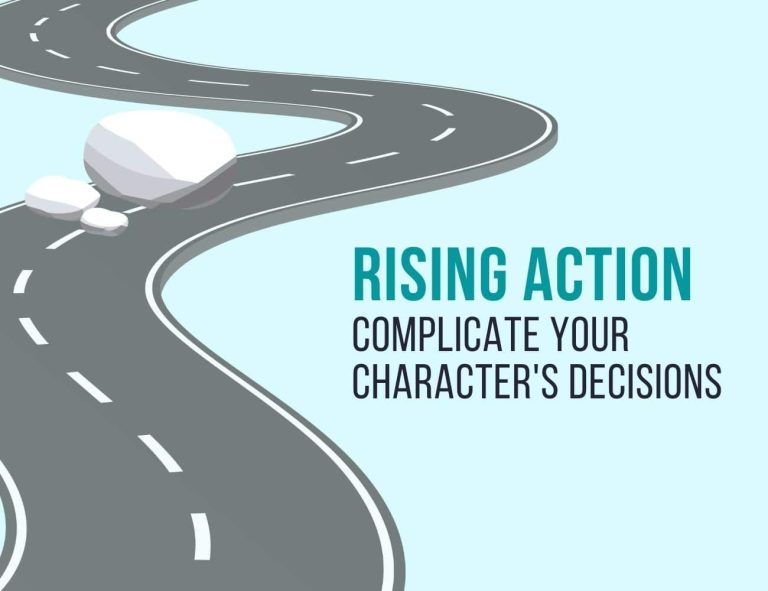
The features of rising action make it the core of the story, where the narrative gains depth and urgency. It’s characterized by increasing complexity, where each event raises the stakes and deepens the audience’s investment. These features ensure the rising action works to maintain engagement and prepare for the dramatic climax.
Rising action is often a blend of action, dialogue, and internal monologues that reveal character motivations. It’s not just about what happens but how those events of the rising action shape the trajectory toward the climax. This phase is dynamic, with twists and turns that keep the story unputdownable.
Building Tension in the Story
To build tension is a hallmark of effective rising action. This involves introducing obstacles that challenge the protagonist, whether through external conflict like a villain’s schemes or internal conflict like self-doubt. Each event in the rising action escalates pressure, making outcomes uncertain.
For example, in a thriller, the rising action might include a detective uncovering a conspiracy, with each clue raising the stakes. Tension in the story grows as deadlines loom or dangers intensify, ensuring readers remain hooked. This deliberate pacing is what makes rising action builds so compelling.
Internal and External Conflicts in Rising Action
Rising action includes both external and internal conflicts to enrich the narrative. External conflict pits characters against outside forces—like society, nature, or antagonists—while internal conflict explores personal struggles, such as moral dilemmas or fears. Both raise the stakes, driving the plot forward.
Consider The Lord of the Rings, where Frodo’s external conflict with Sauron’s forces intertwines with his internal conflict over the Ring’s corrupting influence. These part of the rising action create a layered story, enhancing emotional depth and suspense as the rising action starts to unfold.
Examples of Rising Action in Literature
Examples of rising action illuminate how this element of story structure captivates readers across genres. By examining rising action in literature, we see how authors craft sequences that build toward pivotal moments, making the climax impactful. These examples highlight the versatility of rising action in creating memorable stories.
From classic to modern works, rising action in literature showcases varied techniques. Whether it’s a gradual buildup or a rapid escalation, these events of the rising action demonstrate the artistry of storytelling, keeping audiences engaged.
Rising Action in Classic Novels
In Pride and Prejudice by Jane Austen, the rising action begins with Elizabeth Bennet’s initial encounters with Mr. Darcy, marked by misunderstandings and social pressures. Each interaction, from Darcy’s proposal to Elizabeth’s rejection, escalates the central conflict of pride and prejudice, moving the plot toward the climax where truths are revealed.
Similarly, in Moby-Dick by Herman Melville, the rising action involves Captain Ahab’s growing obsession with the white whale, with crew tensions and dangerous hunts intensifying. These two examples show how rising action builds anticipation, making the climax inevitable yet thrilling.
Rising Action in Modern Stories
Modern works like Suzanne Collins’ The Hunger Games offer vivid examples of rising action. After the inciting incident of Katniss volunteering, the rising action includes her training, alliances, and survival challenges in the arena. Each event moves the story closer to the climax of the Games’ final battle.
In Harry Potter and the Sorcerer’s Stone by J.K. Rowling, the rising action encompasses Harry, Ron, and Hermione’s discoveries about the Philosopher’s Stone, with obstacles like Fluffy and the Mirror of Erised. These part of the rising action keep readers on the edge of their seat, eager for the resolution.
How Rising Action Works in Plot Structure
Understanding how rising action works is key to appreciating its role in story structure. The rising action is the part of the plot where the story progresses, introducing complications that move the plot toward the story’s climax. It’s not static; it dynamically shapes the narrative arc.
The rising action isn’t just filler—it’s a deliberate escalation that prepares the audience for the peak. By weaving events in the story, it ensures the climax occurs with maximum impact, making the narrative cohesive and engaging.
Events Leading to the Climax
The events of the rising action are carefully crafted to lead to the climax. These might include betrayals, discoveries, or battles that complicate the protagonist’s journey. In a romance, the rising action might involve misunderstandings that threaten love, building tension in the story.
For instance, in The Great Gatsby, the rising action includes Gatsby’s lavish parties and his pursuit of Daisy, each event escalating the emotional stakes until the climax of confrontation. These part of the rising action ensure the plot forward movement is relentless.
Difference Between Rising Action and Other Plot Elements
The rising action is distinct from other plot elements like exposition or falling action. While exposition sets the stage and inciting incident sparks the conflict, rising action develops these into a crescendo. The opposite of rising action, falling action, resolves tensions post-climax.
For example, in To Kill a Mockingbird, the exposition introduces Scout and Maycomb, the inciting incident is Tom Robinson’s arrest, and the rising action involves the trial’s buildup. The falling action follows the verdict, distinguishing these phases clearly.
Writing Effective Rising Action
To write rising action that captivates, writers must focus on pacing and escalation. Effective rising action balances action with character development, ensuring each event feels purposeful. This phase should make the rising action compelling by introducing surprises and deepening conflicts.
Crafting strong rising action requires understanding reader expectations. By strategically pacing events in the story, writers can create a narrative that feels both inevitable and unpredictable, keeping audiences invested.
Techniques to Raise the Stakes
To raise the stakes, writers introduce obstacles that increase risk. This might involve:
- Adding time pressure: A deadline forces quicker decisions.
- Escalating consequences: Failure impacts more than just the protagonist.
- Introducing subplots: Secondary conflicts intertwine with the main plot.
In The Da Vinci Code, Dan Brown uses cryptic clues and pursuers to raise the stakes, making each chapter of the rising action more intense. These techniques ensure the rising action builds momentum effectively.
Making Rising Action Unputdownable
To make the rising action unputdownable, writers use cliffhangers, revelations, and character growth. Each scene should feel essential, with stakes rising progressively. For example, in Gone Girl, Amy’s diary entries and Nick’s discoveries create a rising action that’s impossible to put down.
Pacing is key: too slow, and readers disengage; too fast, and the climax feels rushed. Rising action needs balance, ensuring every moment moves the story forward with purpose.
Importance of Rising Action in a Compelling Narrative
The importance of rising action lies in its ability to sustain reader interest and build emotional investment. It’s the section of the story where characters are tested, making the climax rewarding. Without it, stories feel flat or rushed.
Rising action is so important because it shapes the narrative’s heart. It’s where readers connect with characters’ struggles, making the story unputdownable and the climax impactful.
Why Rising Action Is Vital to Every Story
Rising action is a vital component because it transforms a premise into a journey. It’s where the story forward momentum builds, turning the inciting incident into a complex web of challenges. In every story, rising action ensures engagement.
For instance, in 1984 by George Orwell, the rising action involves Winston’s rebellion and secret romance, making his eventual capture in the climax devastating. This phase is essential for emotional payoff.
How Rising Action Moves the Plot Forward
Rising action moves the plot by introducing complications that demand resolution. Each event in the rising action pushes characters toward decisions, altering their paths. This dynamic progression keeps the plot forward, ensuring the climax arrives with weight.
In The Fault in Our Stars, the rising action includes Hazel and Augustus’s growing relationship and quest for meaning, driving the plot toward their emotional peak. This movement is the core of the story.
- Rising action is crucial for building tension and preparing for the dramatic climax.
- Internal and external conflicts in rising action deepen character arcs and engagement.
- Examples of rising action from literature show its versatility across genres.
- Effective rising action requires strategic pacing to raise the stakes and keep readers hooked.
- Rising action fits within story structure to ensure a cohesive, impactful narrative.
Comparing Rising Action, Climax, and Falling Action
Comparing rising action, climax, and falling action clarifies their roles in plot structure. Rising action builds tension, the climax is the peak, and falling action resolves conflicts. This table summarizes their functions:
| Plot Element | Description | Example (The Hunger Games) |
| Rising Action | Builds tension through escalating conflicts | Katniss’s training, arena challenges |
| Climax | The turning point or most intense moment | Final battle in the Games |
| Falling Action | Resolves conflicts post-climax | Katniss and Peeta’s victory, return home |
This comparison highlights how rising action sets up the climax, distinct from the falling action’s resolution, ensuring a cohesive story structure.
FAQs About Rising Action Definition
What is the rising action in a story?
The rising action in a story is the series of events after the inciting incident that build tension and move the plot toward the climax, escalating the central conflict.
How does rising action differ from the climax?
Rising action develops conflicts and raises the stakes, while the climax is the peak moment of highest tension, where the story’s climax resolves the main conflict.
What role does the inciting incident play in rising action?
The inciting incident sparks the main plot, initiating the rising action by introducing the central conflict that the rising action builds upon until the climax.
Can rising action include internal conflict?
Yes, rising action includes internal conflict, like a character’s doubts, alongside external conflict, both driving the plot forward and intensifying tension in the story.
Why is rising action the longest part of the story?
Rising action is often the longest part of the story because it encompasses multiple events of the rising action, developing conflicts to make the climax impactful.
How do you write rising action effectively?
To write rising action, raise the stakes with obstacles, use cliffhangers, and balance pacing to make the rising action compelling and unputdownable until the climax.
What happens if rising action is weak?
Weak rising action leads to an unearned climax, reducing emotional impact and making the story structure feel disjointed, disengaging readers from the narrative.
Conclusion on Rising Action Definition
Rising action is the engine that drives a compelling narrative, transforming a simple premise into a gripping journey toward its climax. By building tension, escalating internal and external conflicts, and strategically pacing events in the story, rising action ensures the climax resonates deeply.
From classics like Pride and Prejudice to modern hits like The Hunger Games, examples of rising action demonstrate its power to captivate. Writers who master rising action in their writing create unputdownable stories, using Freytag’s pyramid to structure a plot forward momentum. Understanding the importance of rising action empowers storytellers to craft narratives that linger, making every story unforgettable.
