

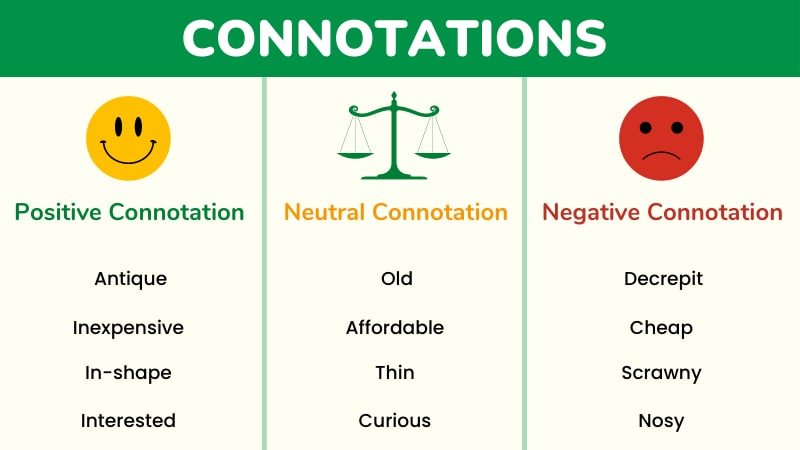
Sentence of connotation refers to phrases that carry emotional or cultural associations beyond their literal meaning.
This powerful linguistic tool shapes how we interpret messages in literature, advertising, and daily communication. Understanding connotation helps you express subtle emotions, persuade audiences, and analyze texts more effectively.
What Is a Sentence of Connotation?
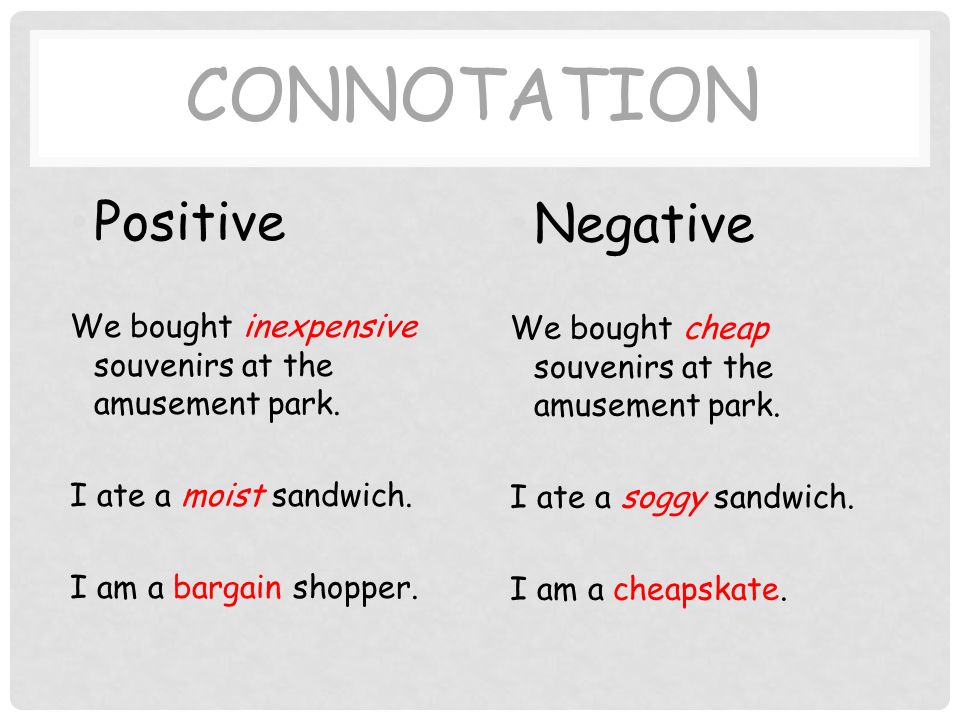
A sentence of connotation uses words with implied meanings that evoke emotions, attitudes, or judgments. Unlike denotation (the dictionary definition), connotation adds layers of interpretation.
Key Characteristics of Connotative Sentences
- Emotional Impact: Words like “home” (warmth) vs. “house” (neutral).
- Cultural Associations: “Snake” implies deceit in many cultures.
- Context-Dependent: The same word can have different connotations (e.g., “childish” vs. “youthful”).
Example:
- “She’s stubborn” (negative) vs. “She’s determined” (positive).
Sentence of Connotation Examples
Connotative sentences appear everywhere—from literature to political speeches. Here are 5 real-world examples:
- Advertising: “This cream revitalizes your skin.” (Positive connotation: renewal, energy).
- Politics: “The regime imposed harsh laws.” (Negative connotation: oppression).
- Literature: “The fragile old man smiled.” (Connotes vulnerability).
- Daily Life: “He’s thrifty.” (Positive) vs. “He’s cheap.” (Negative).
- Media: “Protesters clashed with police.” (Suggests violence).
Positive Sentence of Connotation
Positive connotations inspire, uplift, or praise. They’re used in compliments, marketing, and motivational speech.
Examples:
- “Her radiant smile lit up the room.”
- “The heroic firefighter saved the family.”
- “This luxurious fabric feels divine.”
Why It Matters: Positive words build trust and enthusiasm, making them key in sales and leadership.
Negative Sentence of Connotation
Negative connotations criticize, warn, or evoke discomfort. Common in news, debates, and cautionary tales.
Examples:
- “The slimy politician avoided questions.”
- “A stench filled the alley.”
- “His cocky attitude annoyed everyone.”
Effect: Such language can manipulate opinions or highlight problems.
Neutral Sentence of Connotation
Neutral connotations state facts without emotional bias. Used in scientific reports, legal documents, and direct communication.
Examples:
- “The average temperature rose by 2°C.”
- “She works as a salesperson.”
- “The building has five floors.”
When to Use: Neutral tones ensure objectivity in formal writing.
Sentence of Connotation in Literature
Authors use connotation to deepen themes and characterizations.
Famous Examples:
- Shakespeare’s Macbeth:
- “Life’s but a walking shadow.” (Connotes futility).
- Dickens’ Oliver Twist:
- “Fagin led a gang of urchins.” (Negative: criminality, poverty).
- Frost’s The Road Not Taken:
- “The less traveled path.” (Connotes individuality).
Why Writers Use It: Connotation enriches subtext without explicit explanation.
Sentence of Connotation in a Paragraph
Connotative language shapes narrative tone. Compare these paragraphs:
Neutral:
“The woman entered the room. She wore a red dress.”
Negative Connotation:
“The gaunt woman slunk into the room. Her blood-red dress clung to her.”
Positive Connotation:
“The graceful woman glided in. Her vibrant dress flowed elegantly.”
Takeaway: Word choice transforms reader perception.
Sentence of Connotation for Students
Students can identify and use connotations to improve essays and creative writing.
Exercises:
- Replace Neutral Words:
- Original: “The man walked.”
- Revised: “The elderly man trudged.”
- Analyze Advertisements:
- “Triumph with our elite course!” (Positive buzzwords).
Tip: Use a thesaurus to explore connotative synonyms.
Sentence of Connotation with Meaning
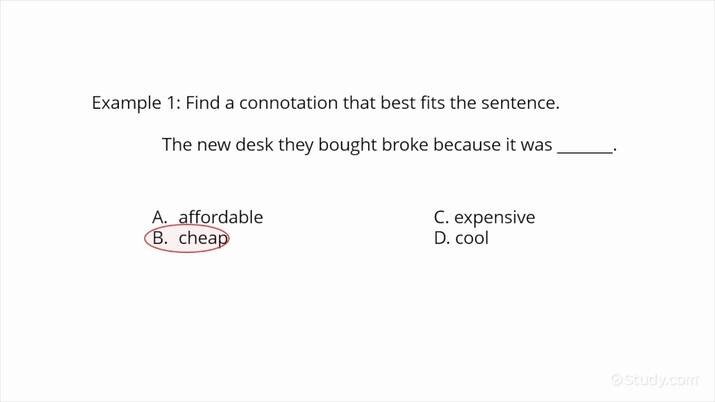
Some words have sharply different connotations despite similar denotations.
| Word | Denotation | Positive Connotation | Negative Connotation |
| Economical | Saves money | Thrifty, smart | Stingy, cheap |
| Innocent | Not guilty | Pure, honest | Naive, gullible |
| Ambitious | Goal-oriented | Driven, motivated | Greedy, ruthless |
Sentence of Connotation in Daily Life
We unconsciously use connotations in:
- Compliments: “You’re brilliant!” (vs. “You’re not dumb”).
- Criticism: “That’s unusual.” (Could imply disapproval).
- Social Media: “Epic fail!” (Amplifies negativity).
Real-Life Example:
- “She’s curvy.” (Positive) vs. “She’s overweight.” (Negative).
Sentence of Connotation in Writing
Writers leverage connotations to:
- Set tone (e.g., gloomy vs. hopeful).
- Develop characters (e.g., “Sly grin” for a villain).
- Persuade (e.g., “Crisp, refreshing soda”).
Pro Tip: Avoid mixed connotations like “The cheap but elegant dress.”
Sentence of Connotation and Denotation
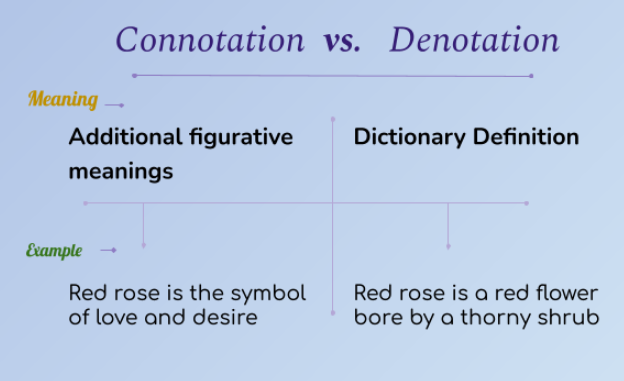
Denotation = Literal meaning. Connotation = Emotional/cultural associations.
Example:
- “It’s a cool day.”
- Denotation: Low temperature.
- Connotation: Pleasant, refreshing.
Exercise:
- “The dog barked.” (Neutral)
- “The mutt barked.” (Negative)
- “The puppy barked.” (Positive)
Sentences of Connotation for Grades 5–8
Class 5:
- “The adorable kitten purred.” (Positive).
- “The scary dog growled.” (Negative).
Class 6:
- “His clever plan worked.” (Positive).
- “Her sneaky trick failed.” (Negative).
Class 7:
- “The legendary warrior fought bravely.” (Heroic).
- “The notorious thief escaped.” (Villainous).
Class 8:
- “The aroma of coffee woke me.” (Pleasant).
- “The stench of garbage lingered.” (Unpleasant).
FAQs About Sentence of Connotation
1. Can one word change a sentence’s connotation?
Yes. “She’s assertive” (positive) vs. “She’s pushy” (negative).
2. Is connotation always intentional?
No—cultural biases can unintentionally influence word choice.
3. How do I teach connotation to kids?
Use animal adjectives: “Lionhearted” (brave) vs. “Mousey” (timid).
4. Why do ads rely on positive connotations?
To create desire (e.g., “New! Improved!”).
5. Can neutral words gain connotations?
Yes. “Google” shifted from a noun to a verb with tech-savvy connotations.
6. What’s the connotation of “youthful” vs. “childish”?
“Youthful”: Vigor (positive).
“Childish”: Immaturity (negative).
7. How do poets use connotation?
Through symbolism (e.g., “Roses” = love, “Thorns” = pain).
Conclusion on Sentence of Connotation
Mastering sentences of connotation empowers you to communicate persuasively, analyze texts deeply, and avoid unintended meanings. Whether you’re a student, writer, or professional, recognizing these hidden layers in language sharpens your critical thinking and expression.
Start practicing today—swap neutral words for emotionally charged alternatives and watch your communication transform!
