

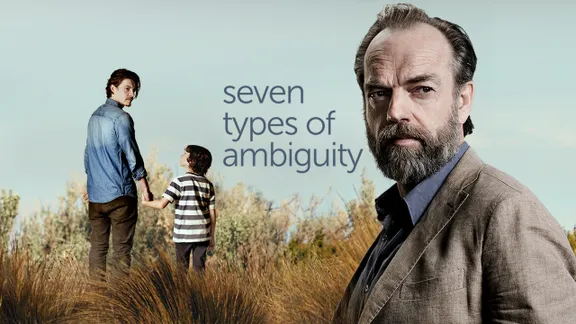
Seven types of ambiguity is a phrase that resonates in literary circles, originating with William Empson’s groundbreaking literary criticism book Seven Types of Ambiguity, published in 1930, and later echoed by Elliot Perlman’s 2003 novel of the same name. Both works explore ambiguity—the capacity of language or narrative to hold multiple meanings—but in distinct ways.
Empson’s book dissects poetry through a lens of linguistic complexity, laying the foundation for new criticism. Perlman’s novel, a psychological thriller, weaves ambiguity of human relationships through interconnected narratives.
William Empson and the Foundations of Literary Ambiguity
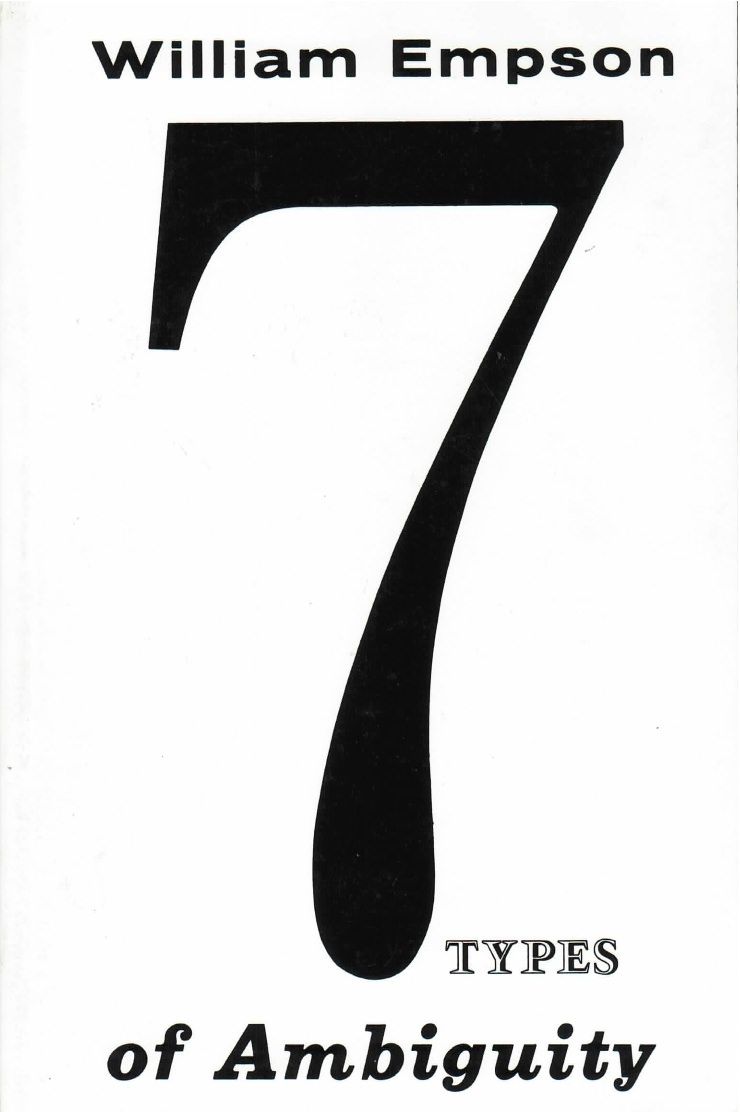
Who Was William Empson and His Role in Literary Criticism
William Empson, a pivotal literary critic, reshaped literary analysis with his innovative approach to poetry. Born in 1906, Empson was a Cambridge scholar whose work emphasized close reading and textual complexity. His seminal book, Empson’s book, Seven Types of Ambiguity, introduced a method of interpreting poetry that focused on ambiguity as a source of richness rather than confusion.
Literary critic William Empson argued that ambiguity in language—where words or phrases carry multiple meanings—enhances a poem’s depth. His analytical rigor made him a cornerstone of new criticism, a movement that prioritized the text itself over external contexts, influencing generations of scholars.
Overview of Empson’s Seven Types of Ambiguity
Empson’s Seven Types of Ambiguity, published in 1930, is a landmark in literary criticism. The book identifies seven types of ambiguity in poetry, each representing a different way language can convey multiple meanings. According to Empson, these ambiguities arise from verbal nuances, structural complexities, or conflicting interpretations, making poetry a fertile ground for exploration.
The 7 types range from simple linguistic ambiguities, like a word with two meanings, to complex psychological conflicts within the poet’s mind. Empson’s book revolutionized how critics approached texts, encouraging readers to embrace ambiguity as a deliberate artistic choice rather than a flaw.
Why Empson’s Book Defined New Criticism
New criticism, a 20th-century literary theory, owes much to Empson’s work. His focus on ambiguity as a central feature of poetry aligned with the movement’s emphasis on close textual analysis. By dissecting how ambiguous language creates depth, Empson provided a framework for interpreting literature without relying on authorial intent or historical context.
Empson’s approach highlighted the paradox of language—its ability to be both precise and open to interpretation. This made Seven Types of Ambiguity a foundational text, shaping how scholars analyze poetry and prose.
Elliot Perlman’s Seven Types of Ambiguity: A Modern Novel
Introduction to Elliot Perlman and His Literary Vision
Elliot Perlman, an Australian author and barrister, is celebrated for his intricate narratives and social commentary. Perlman’s novel Seven Types of Ambiguity (2003) draws inspiration from Empson’s title, using ambiguity to explore modern human relationships. Compared to authors like Jonathan Franzen, Elliot Perlman crafts stories that blend psychological depth with societal critique.
Perlman’s work reflects his interest in the ambiguity of human relationships, addressing themes like love, betrayal, and moral dilemmas. His novel uses seven parts, narrated by six characters, to weave a complex tapestry of interconnected lives, showcasing his narrative ambition.
Plot and Structure of Perlman’s Novel
Elliot Perlman’s Seven Types of Ambiguity is a psychological thriller centered on Simon Heywood, an unemployed teacher obsessed with his ex-girlfriend Anna. The novel begins with Simon’s brief abduction of Anna’s son, Sam, triggering a chain of events that entangles multiple characters, including Simon’s psychiatrist Alex Klima, Anna’s husband Joe, and a prostitute named Angelique. Narrated in seven parts by six voices, the story unfolds non-linearly, revealing ambiguity in motives and perspectives.
Perlman’s structure mirrors the seven types of ambiguity, as each narrator offers a unique lens, creating a paradox of truth where no single account is definitive. The novel explores ambiguous emotions and ethical gray areas, making it a compelling study of human complexity.
Ambiguity of Human Relationships in Perlman’s Work
The ambiguity of human relationships is central to Perlman’s novel. Each narrator’s perspective reveals conflicting motivations—love versus obsession, duty versus desire—highlighting how ambiguity shapes interactions. For instance, Simon’s actions are both sympathetic and troubling, depending on the narrator, illustrating multiple meanings in human behavior.
Perlman’s use of ambiguity underscores the uncertainty of modern life, from fractured relationships to societal pressures like corporate greed. This narrative approach makes the novel a poignant reflection of “our times,” as critics note its relevance to contemporary issues.
Understanding Types of Ambiguity in Literature
Defining Ambiguity in Literary Contexts
Ambiguity in literature refers to the capacity of words, phrases, or narratives to convey multiple meanings or interpretations. A type of ambiguity might arise from linguistic elements, like a word with dual meanings, or from narrative structure, where events are open to debate. Ambiguity enriches texts by inviting readers to engage actively with the material.
In literary analysis, ambiguity is not a flaw but a strength, allowing for diverse interpretations. Both Empson and Perlman leverage this to create works that challenge readers to question assumptions and explore complexity.
Empson’s Seven Types of Ambiguity Explained
William Empson outlined seven types of ambiguity in his book, each a distinct way language creates multiple meanings in poetry:
- First type: A word or phrase with multiple meanings used simultaneously (e.g., a metaphor comparing two unlike things).
- Second type: Two meanings resolved into one through context, like a paradox.
- Third type: A single word with dual references, creating layered meaning.
- Fourth type: Conflicting meanings that clarify the poet’s complex state of mind.
- Fifth type: A simile that bridges two ideas, leaving interpretation open.
- Sixth type: A statement so vague readers invent their own meaning.
- Seventh type: Opposing meanings within a word, revealing the poet’s internal conflict.
These types of ambiguity provide a framework for dissecting poetry, as Empson demonstrated with examples from Shakespeare and Wordsworth.
How Perlman Adapts Ambiguity in Narrative
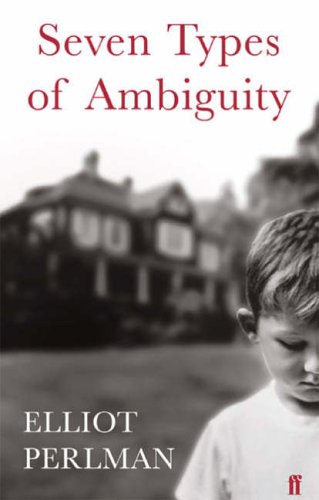
Elliot Perlman’s novel adapts Empson’s framework by applying ambiguity to narrative perspective. Each of the seven parts offers a different viewpoint, creating ambiguous interpretations of events. For instance, Simon’s abduction is seen as both a desperate act of love and a criminal offense, depending on the narrator.
Perlman’s use of type of ambiguity mirrors Empson’s in its complexity, but shifts focus to human psychology and relationships. This narrative ambiguity invites readers to question truth and morality, aligning with literary theory’s emphasis on interpretation.
The Literary Impact of Empson and Perlman
Empson’s Influence on Literary Theory
Empson’s Seven Types of Ambiguity reshaped literary theory by introducing a systematic approach to ambiguity. His work empowered critics to explore linguistic nuances, making new criticism a dominant force in mid-20th-century scholarship. Empson’s focus on poetry as a site of multiple meanings inspired later theorists to value textual complexity.
His legacy endures in academic circles, where ambiguity remains a key lens for literary analysis. Empson’s book is still studied for its innovative dissection of language.
Perlman’s Contribution to Contemporary Fiction
Perlman’s Seven Types of Ambiguity brought ambiguity to modern fiction, earning praise as a “colossal achievement” for its narrative depth. Critics liken Elliot Perlman to 19th-century novelists for his intricate plotting and social critique, addressing issues like corporate excess and fractured relationships.
Perlman’s novel, a bestseller in France, showcases how ambiguity can drive psychological thrillers, making it a standout in contemporary literary works. Its adaptation into a 2017 ABC Television series further cemented its cultural impact.
Lasting Legacy of Ambiguity in Literature
Both Empson and Perlman highlight ambiguity’s enduring power in literature. Empson’s framework informs scholarly analysis, while Perlman’s storytelling captivates modern readers. Together, they demonstrate how ambiguity fosters engagement, encouraging readers to grapple with multiple meanings.
The seven types of ambiguity remain relevant, as writers and critics continue to explore language and narrative’s capacity for complexity.
Comparing Empson and Perlman’s Approaches
Both William Empson and Elliot Perlman use ambiguity to explore complexity—Empson in poetry, Perlman in human relationships. Both works embrace multiple meanings, whether through linguistic nuances or narrative perspectives. For example, Empson’s analysis of a word’s dual meanings parallels Perlman’s shifting character viewpoints.
This shared focus on seven types of ambiguity underscores their commitment to intellectual engagement, inviting audiences to unpack layered meanings.
Differences in Style and Medium
Empson’s work is academic, rooted in literary criticism and poetry analysis, with a dense, analytical style. Perlman’s novel, however, is a narrative-driven thriller, using seven parts to weave a story accessible to a broader audience. While Empson dissects linguistic paradox, Perlman explores emotional and ethical ambiguity.
These differences highlight how ambiguity adapts across genres, from scholarly texts to fiction.
Why Both Works Resonate Today
The seven types of ambiguity resonate because they address universal themes—language’s complexity and human uncertainty. Empson’s work remains a touchstone for scholars, while Perlman’s novel reflects modern anxieties about relationships and society.
Their shared title, though coincidental, underscores ambiguity’s timeless appeal in exploring truth and perception.
- Seven types of ambiguity explore multiple meanings in poetry and fiction.
- William Empson’s literary criticism defined new criticism with linguistic analysis.
- Elliot Perlman’s novel uses seven parts to weave ambiguous narratives.
- Types of ambiguity range from verbal nuances to narrative perspectives.
- Ambiguity fosters engagement by challenging readers to interpret texts.
- Both works highlight poetry and relationships as sites of complexity.
- Their legacy endures in literary theory and contemporary fiction.

FAQs on Seven Types of Ambiguity
What are the seven types of ambiguity?
The seven types of ambiguity, per William Empson, are linguistic and structural nuances in poetry that create multiple meanings, from dual-word meanings to conflicting authorial intentions.
How does Empson define ambiguity?
Empson defines ambiguity as language or poetry elements with multiple meanings, enriching texts by allowing varied interpretations without misreading.
What is Elliot Perlman’s novel about?
Elliot Perlman’s Seven Types of Ambiguity is a thriller about a teacher’s abduction of his ex-lover’s son, told in seven parts with ambiguous perspectives.
How does Perlman use ambiguity?
Perlman’s novel uses ambiguity through multiple narrators, creating ambiguous views of events and relationships, reflecting moral and emotional complexity.
How does Empson’s work relate to new criticism?
Empson’s Seven Types of Ambiguity shaped new criticism by emphasizing close textual analysis and ambiguity as a strength in poetry.
What connects Empson and Perlman’s works?
Both explore seven types of ambiguity—Empson in poetry, Perlman in relationships—using multiple meanings to engage readers with complexity.
Why is ambiguity important in literature?
Ambiguity enriches literature by fostering diverse interpretations, encouraging readers to explore multiple meanings and engage deeply with texts.
Conclusion on Seven Types of Ambiguity
Seven types of ambiguity encapsulate the brilliance of William Empson and Elliot Perlman, two authors who harness ambiguity to illuminate the complexities of language and human experience. Empson’s Seven Types of Ambiguity, published in 1930, revolutionized literary criticism by dissecting poetry’s linguistic nuances, shaping new criticism.
Perlman’s 2003 novel reimagines ambiguity through a gripping narrative of interconnected lives, reflecting the ambiguity of human relationships. Both works, though distinct in style and medium, demonstrate how ambiguity enriches storytelling and analysis, inviting readers to embrace multiple meanings. Their shared title underscores a universal truth: ambiguity is a powerful lens for understanding the paradox of human thought and emotion.
