



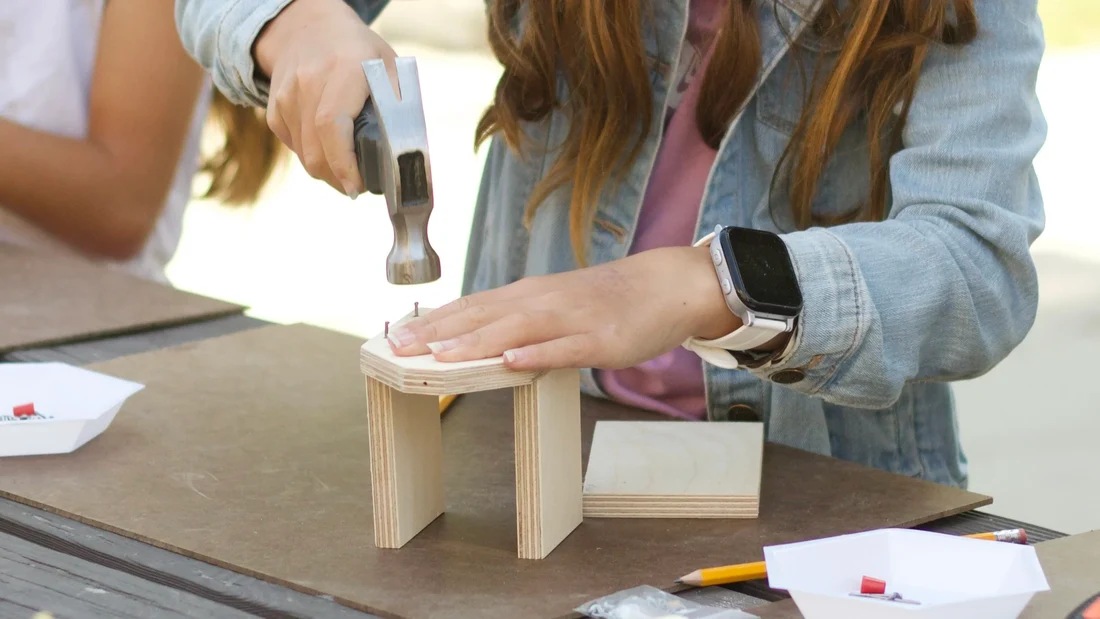
Learning a skill can feel abstract when it stays inside a course, a notebook, or a list of videos to watch later. A small project changes that. It gives you a reason to practise, a result you can examine, and a clearer sense of what you still need to learn. Whether you are exploring writing, design, music, or a new game, making something is often the point where information begins to stick.
Why projects make learning more memorable
Reading or watching a demonstration can introduce useful ideas, but active practice asks you to make decisions. You have to choose a direction, test it, notice what goes wrong, and try again. That process builds more than technical ability: it develops patience, judgment, and confidence in your own problem-solving.
A project also gives learning a natural shape. Instead of setting a vague goal such as “get better at writing,” you might aim to create a short review, explain a topic to a friend, or publish a series of concise posts. Each task creates a visible next step. Finishing one is satisfying, and reviewing it shows where your effort has paid off.
Choose a project small enough to finish
Ambition can be useful, but a first project should be manageable. A large goal often hides many different skills inside it, making progress hard to measure. Set a limit on the time, length, or tools you will use. You could sketch a character in a week, record a one-minute audio piece, or write a 500-word explainer.
Before beginning, decide what “done” means. For example, a finished piece might need a clear beginning, three supporting points, and one revision. A simple finish line makes it easier to avoid polishing endlessly or abandoning the work when it becomes challenging.
- Writing: Explain one idea in plain language or review a film, song, or game.
- Art: Make a small set of illustrations using one colour palette or technique.
- Entertainment: Edit a short video, create a playlist with a theme, or learn a scene from a script.
- Education: Build a mini-guide that helps someone else understand a subject you are studying.
Practise with feedback, not guesswork
Practice is most useful when it gives you information. After completing a draft or attempt, compare it with your goal. What worked? Where did you hesitate? What would you change if you made it again? Keep the review specific. “I need to improve” is difficult to act on; “the explanation needs a clearer example” suggests a practical next move.
Feedback from another person can reveal blind spots, but it helps to ask focused questions. Instead of asking whether a piece is good, ask whether the main point is clear or which section feels confusing. You can also compare your work with a strong example, paying attention to structure and choices rather than copying the result.
Some skills benefit from individual guidance as well. In competitive games, for instance, a coach may help a player identify repeated habits that are difficult to see during a match. Osdire’s Valorant coaching guide discusses costs, choosing a coach, and avoiding scams. If you are asking how long until coaching results, the useful measure is not a promised date but whether practice becomes more deliberate and you can identify specific improvements over time.
Turn practice into a routine
A creative habit does not require a free afternoon every day. A regular, short session is easier to protect than an occasional marathon. Choose a time you can realistically repeat and make the first action simple: open the document, warm up with a few sketches, or review one section of a lesson.
It can help to keep a brief practice log. Record what you worked on, what felt difficult, and what you plan to try next time. This prevents you from starting each session from zero. It also provides evidence of progress when improvement feels gradual.
- Choose one skill and a small project connected to it.
- Set a clear finish line and a realistic deadline.
- Practise in short sessions, focusing on one challenge at a time.
- Review the result and decide on one specific improvement.
- Repeat the process with a slightly harder project.
Sharing a finished project can make learning feel more purposeful. It gives you a chance to communicate an idea, see how readers respond, and build a collection of work that reflects your interests. Choose a setting that suits the subject and the stage of your work. A personal blog, a community forum, or a publication can each offer a different kind of audience and feedback.
For example, someone interested in transport might write about public transit design, cycling, or the history of rail. Finding publications that cover a particular field can be part of the research process; iCopify’s transport publication directory lists websites and blogs in that sector. The important step is to read a publication’s guidelines and make sure your proposed article genuinely serves its readers.
Keep learning visible
Creative progress is rarely a straight line. Some attempts will feel polished; others will expose gaps you did not know you had. Treat both as useful. Save early drafts, note what you learned, and return to an old project after gaining more experience. Comparing versions can reveal progress that is easy to miss day by day.
A small project will not make anyone an expert overnight. It can, however, turn curiosity into action and practice into something you can see. Choose a manageable challenge, seek useful feedback, and make the next step clear. Over time, those finished attempts become more than a portfolio: they become a record of how you learned to do the work.


