



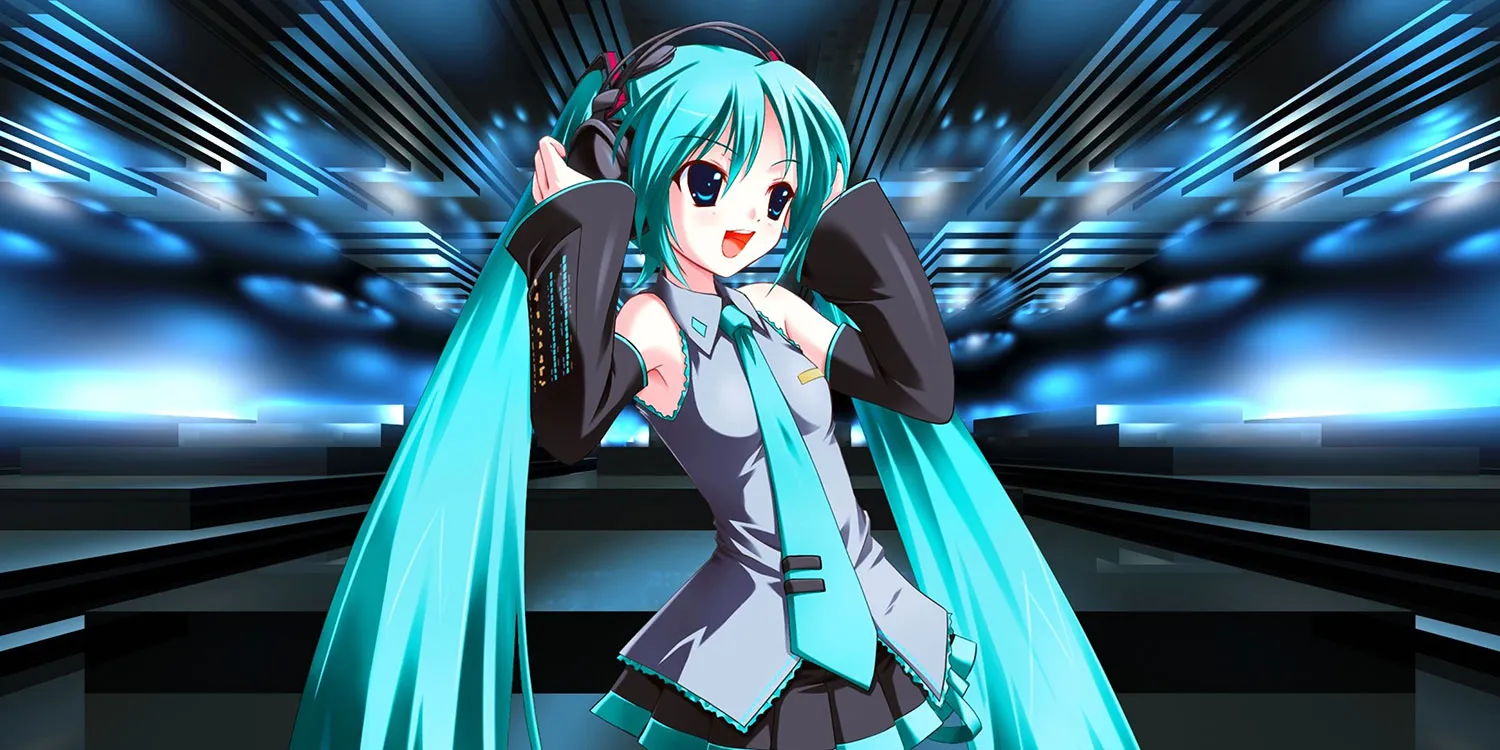
Hatsune Miku, the iconic virtual idol created by Crypton Future Media, has captivated audiences worldwide. Since her debut in 2007 as a Vocaloid character, Miku has transcended her role as a software mascot to become a cultural phenomenon. With her signature turquoise pigtails and futuristic charm, she inspires creativity, fandom, and even introspection. What makes Hatsune Miku so appealing? By delving into psychology and fandom culture, we can better understand her magnetic allure, from her music to her Hatsune Miku costumes and even Project Diva costumes.
Customizable Identity
One of the most remarkable aspects of Hatsune Miku is her flexibility as a character. Unlike traditional idols with set personalities and stories, Miku is a blank slate. Her voice, created through Vocaloid technology, can sing any song, in any genre, with lyrics and melodies created entirely by fans. This open-ended nature allows each person to project their imagination onto her, creating a unique connection.
Miku’s customizable identity taps into the psychological concept of parasocial relationships—one-sided connections that fans form with public figures. Because Miku is essentially what fans make of her, she becomes a reflection of their own creativity, fostering a deeper emotional bond than a predefined character might.
Aesthetic Appeal
Hatsune Miku’s visual design is a major part of her enduring popularity. Created by artist KEI, her futuristic outfit and bright color palette are iconic. Her Hatsune Miku costumes, particularly the teal-and-gray ensemble with twin-tails and thigh-high boots, have become instantly recognizable symbols of modern pop culture.
In addition to her signature look, Miku’s Project Diva costumes offer fans a variety of styles to enjoy. These outfits, featured in the Project Diva rhythm games, range from traditional Japanese attire to playful, avant-garde designs. Each costume reflects a different side of her persona, giving fans even more ways to connect with her aesthetic.
From a psychological perspective, Miku’s visual appeal is tied to her balance of familiarity and novelty. While her design is consistent, her costumes and personas evolve, keeping her image fresh and exciting. This duality helps maintain long-term engagement with her fanbase.
The Power of Music
Music is another significant factor in Miku’s appeal. The songs created using her Vocaloid voicebank span countless genres and styles, from pop and rock to electronic and classical. Fans worldwide contribute to her growing discography, making her a collaborative project on a massive scale.
Psychologically, music has a profound impact on emotions and memory. Miku’s voice acts as a vessel for these emotions, allowing fans to connect deeply with her music. Additionally, her songs often explore universal themes such as love, loss, and self-discovery, resonating with listeners on a personal level.
Community and Creativity
Hatsune Miku thrives on her fandom’s creativity. From music production to artwork, cosplay, and animations, her fanbase continually expands her universe. The act of creating or consuming Miku-related content fosters a sense of community and belonging.
Cosplay is a particularly vibrant part of this community. Fans often dress in Hatsune Miku costumes or Project Diva costumes to showcase their love for her at conventions and events. This act of embodying Miku not only celebrates her character but also allows fans to express themselves.
This collaborative nature sets Miku apart from traditional idols. Instead of being a passive consumer, each fan becomes an active participant in her world. This participatory culture aligns with modern psychology’s emphasis on creativity and agency as key components of personal satisfaction.
The Virtual Idol Phenomenon
Miku’s digital existence also plays into her appeal. As a virtual idol, she transcends the limitations of human performers. She never ages, makes mistakes, or becomes embroiled in scandals. This idealized nature allows her to remain a timeless figure, immune to the challenges of real-world celebrity.
In a fast-paced digital age, Miku represents the intersection of technology and artistry. Her concerts, featuring 3D holograms and cutting-edge visuals, offer fans a glimpse into the future of entertainment. This blend of innovation and artistry appeals to those who appreciate both creative expression and technological advancement.
Cultural Impact
Beyond her role as an entertainer, Hatsune Miku is a symbol of collaborative creativity and innovation. She’s been featured in commercials, art exhibits, and even performed alongside traditional orchestras. Her Hatsune Miku costumes have become iconic, inspiring fashion and cosplay enthusiasts around the globe.
Her influence extends to the gaming world as well. The Project Diva series has introduced countless fans to rhythm games, providing a platform to interact with Miku’s music and costumes. These games further solidify her status as a beloved and versatile figure in pop culture.
Conclusion
Hatsune Miku’s appeal lies in her ability to adapt, inspire, and connect with fans on a personal level. Her open-ended identity, iconic design, and the collaborative nature of her fandom make her a unique cultural phenomenon.
Whether through her music, her Hatsune Miku costumes, or her evolving presence in media, Miku continues to captivate audiences worldwide. As a symbol of creativity and innovation, she represents the future of entertainment—a world where fans and creators come together to shape something extraordinary.


