



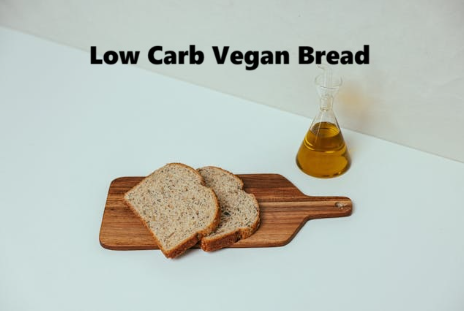
Introducing a game-changer in the world of baking – Low-Carb Vegan Bread! Are you ready to indulge in a guilt-free, tasty twist on traditional bread? Say goodbye to the carb-loaded guilt and hello to a healthier way of baking. This innovative approach combines the benefits of a low-carb diet with the goodness of plant-based ingredients, creating a delectable loaf that will tantalize your taste buds.
The Rise of Low-Carb Vegan Bread is revolutionizing the way we enjoy baked goods. Focusing on health and flavor, this trend is taking the baking world by storm. Whether you’re a seasoned baker or just starting your journey, this trend offers a delightful alternative that will satisfy your cravings without compromising on nutrition.
Get ready to elevate your baking game and discover a new world of delicious possibilities with Low-Carb Vegan Bread!
The Evolution of Bread: From Traditional to Low-Carb Vegan
Bread has been a staple in human diets for thousands of years, evolving from simple flatbreads to the diverse array of loaves we enjoy today. Traditionally made from wheat flour and yeast, bread has served as a primary source of carbohydrates for many cultures worldwide.
However, the increasing awareness of health issues related to high carbohydrate consumption has prompted a significant shift in how we perceive and produce bread. This evolution has led to the emergence of low-carb alternatives that cater to health-conscious consumers without sacrificing flavor or texture.
As dietary preferences and nutritional science have progressed, so has the bread-making process. The rise of gluten-free, keto, and now low-carb vegan options reflects a growing demand for healthier, more inclusive food choices.
Innovative flours, such as chickpea flour, are challenging traditional bread-making methods. These flours lower carbohydrate counts while still delivering the satisfying qualities of traditional bread. This transformation in approach is not merely a trend; it is a response to a significant shift in consumer behavior, which prioritizes health and wellness.
Understanding Low-Carb Vegan Bread
Low-carb vegan bread is defined by its use of ingredients that significantly reduce the carbohydrate content commonly found in traditional bread. Unlike conventional loaves made primarily from wheat flour, low-carb vegan bread often incorporates nut flour, seeds, and other plant-based components that provide essential nutrients while keeping carbohydrate levels low. Understanding the mechanics behind low-carb baking is crucial for anyone looking to explore this delicious option.
One of the primary reasons low-carb vegan bread is appealing is its versatility. Bakers can experiment with various ingredients to create different flavors and textures, moving beyond the limitations of wheat flour. For instance, almond flour can lend a rich, nutty flavor, while coconut flour offers a hint of sweetness, making it an exciting canvas for creativity in the kitchen. Additionally, incorporating seeds like flaxseed or chia seeds not only enhances the nutritional profile but also helps bind the ingredients together, ensuring a satisfying loaf.
Moreover, the absence of animal-derived products in low-carb vegan bread aligns with the growing trend towards plant-based diets. This approach not only caters to vegans and vegetarians but also appeals to those seeking to reduce their environmental footprint. By choosing low-carb vegan bread, consumers can enjoy a product that is kinder to animals and the planet while still indulging in the beloved experience of bread-eating. This understanding of low-carb vegan bread is pivotal in embracing a healthier and more ethical lifestyle.
Benefits of Low-Carb Vegan Bread
The benefits of low-carb vegan bread extend far beyond its reduced carbohydrate content. One significant advantage is its potential for weight management. Many individuals find success in regulating their weight by reducing carb intake, as it often leads to lower insulin levels and decreased hunger. Low-carb vegan bread can fit seamlessly into such a diet, providing a satisfying option that doesn’t compromise on taste or texture. The high fiber content from seeds and nut flours also promotes satiety, helping to curb cravings between meals.
Additionally, low-carb vegan bread is typically packed with nutrients, including healthy fats, proteins, and essential vitamins and minerals. Ingredients like almond flour are rich in vitamin E, magnesium, and antioxidants, which contribute to overall health. These nutrients play critical roles in maintaining energy levels, supporting immune function, and promoting cardiovascular health. Thus, incorporating low-carb vegan bread into one’s diet can be a delicious way to enhance nutritional intake while enjoying a beloved food.
Moreover, the trend of low-carb vegan bread aligns with broader dietary patterns that emphasize whole foods and minimally processed ingredients. Many commercially available breads contain additives, preservatives, and refined sugars that can detract from their nutritional value. By opting for low-carb vegan bread, whether homemade or store-bought, consumers can make more informed choices about what they are putting into their bodies. This conscious eating approach fosters a healthier relationship with food, promoting an environment where individuals feel empowered to prioritize their well-being.
Low-Carb Vegan Baking Ingredients
When embarking on the journey of low-carb vegan baking, it’s essential to familiarize oneself with the key ingredients that define this innovative approach. The foundation of any low-carb vegan bread typically begins with alternative flour. Almond flour, coconut flour, and chickpea flour are popular choices that offer lower carbohydrate counts compared to traditional wheat flour. Almond flour, for instance, is not only low in carbs but also high in healthy fats and protein, making it an excellent option for those looking to create a hearty loaf.
In addition to alternative flours, incorporating seeds is a game-changer in low-carb vegan baking. Flaxseeds and chia seeds serve dual purposes: they add nutritional value and help bind the ingredients together, mimicking the role of eggs in traditional baking. These seeds are rich in omega-3 fatty acids and fiber, contributing to a healthier final product. Ground flaxseed mixed with water can create a flax egg, a popular egg substitute that enhances the texture of low-carb bread without compromising its vegan status.
Another essential consideration in low-carb vegan baking is the choice of sweeteners. Traditional recipes often rely on sugar or honey, which can significantly elevate carbohydrate levels. Instead, low-carb vegan bakers can opt for natural sweeteners like erythritol, stevia, or monk fruit. These alternatives provide the sweetness needed for flavor while keeping the carb count in check. By understanding and utilizing these key ingredients, bakers can create delicious low-carb vegan breads that satisfy cravings without guilt.
Health Benefits of Incorporating Low-Carb Vegan Bread Into Your Diet
Incorporating low-carb vegan bread into your diet can yield a multitude of health benefits, making it a wise choice for those seeking to enhance their nutritional intake. One of the most significant advantages is its potential to support weight loss or maintenance. By reducing carbohydrate consumption, you may experience less fluctuation in blood sugar levels, leading to improved energy stability and fewer cravings. This can create an overall sense of well-being and make it easier to adhere to a healthier eating plan.
Moreover, low-carb vegan bread, mainly when made with ingredients like chia seeds or flaxseeds, offers a rich source of dietary fiber. Fiber is known to support digestive health, promoting regular bowel movements and preventing constipation. It can also play a role in heart health by helping to lower cholesterol levels and improve overall cardiovascular function. By adding low-carb vegan bread to your meals, you can enhance your fiber intake and contribute to improved health outcomes.
Additionally, this type of bread is often rich in essential nutrients, including healthy fats, proteins, vitamins, and minerals. For instance, almond flour is an excellent source of vitamin E, which acts as an antioxidant, while chickpea flour provides protein and iron. These nutrients are vital for maintaining overall health, supporting immune function, and promoting muscle strength. By integrating low-carb vegan bread into your diet, you are not only enjoying a delicious food option but also taking proactive steps towards better health.
Embracing the Low-Carb Vegan Bread Revolution
The rise of low-carb vegan bread is more than just a fleeting trend; it represents a significant shift in how we approach baking and our dietary choices. By embracing this innovative form of bread, individuals can enjoy the comforting experience of bread while prioritizing their health and wellness. The evolution from traditional to low-carb vegan options showcases the versatility and creativity that modern baking can offer, allowing for a diverse range of flavors and textures that satisfy diverse palates.
As dietary habits continue to evolve, low-carb vegan bread stands out as a delicious alternative that caters to health-conscious consumers. From the benefits of reduced carbohydrates to the incorporation of nutrient-dense ingredients, this trend aligns perfectly with the growing demand for plant-based, wholesome foods. Whether you choose to bake your loaves or explore the variety of options available in the market, the journey into low-carb vegan bread opens up a world of culinary possibilities that can enhance your overall eating experience.
Conclusion
In conclusion, embracing the low-carb vegan bread revolution is not just about changing your diet; it’s about adopting a new lifestyle that prioritizes health, flavor, and sustainability. As more people discover the joys of low-carb vegan baking, it is clear that this delicious twist on traditional bread is here to stay, inviting everyone to indulge in the pleasures of guilt-free, nutritious bread. So why not take the plunge and explore this exciting trend? Your taste buds and body will thank you! Visit LowCarb Avenue for gluten-free, low-carb vegan bread!


