



Business owners face a variety of risks each day that could negatively affect their operations, profitability, and overall reputation. Whether it’s theft, vandalism, or data breaches, these issues can disrupt businesses of all sizes, leading to both immediate financial losses and long-term consequences. With the growing complexity of threats in today’s world, commercial security has become an essential aspect of safeguarding a company’s assets and ensuring smooth operations.
This blog will explore how commercial security prevents business losses by addressing the main threats organizations face, the role of modern security systems in mitigating these risks, and the importance of proactive preventive measures.
Understanding Potential Business Losses
Commercial security begins with understanding what you’re protecting your business from. Below are three of the most common threats businesses encounter:
Theft
One of the most pressing concerns for business owners is theft, which can occur internally or externally. Shoplifting, embezzlement, and employee theft can lead to direct financial losses and inventory shortages. External theft from burglars or armed robbers poses an even higher risk, potentially leading to property damage and a harmful impact on staff morale.
Vandalism
Vandalism, such as graffiti, broken windows, or deliberate property damage, can tarnish a business’s reputation and deter customers. It also leads to unexpected repair costs that could drain valuable resources from your budget.
Data Breaches
Cybersecurity has become as critical as physical security in the modern age. Data breaches and unauthorized digital access can compromise sensitive customer and company information. This not only results in financial penalties under data protection laws but can also damage customer trust and brand reputation.
Preventing these threats requires a comprehensive approach, which is where commercial security comes into play.
The Role of Security Systems
Modern commercial security systems are designed to provide businesses with tools to monitor, manage, and respond to potential threats. Here’s an overview of how security systems contribute to loss prevention:
Surveillance Systems
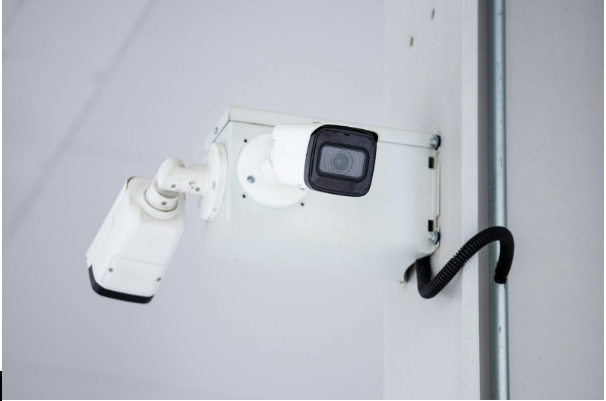
Video surveillance cameras act as both a deterrent to would-be criminals and a way to gather evidence if violations occur. High-definition cameras equipped with motion detection can capture clear footage 24/7, ensuring every corner of your business is monitored.
Additionally, many modern systems include remote access, allowing business owners and security managers to check live footage from their phones or computers, no matter where they are.
Access Control
Access control systems regulate who can enter specific areas of your business. Businesses can implement card readers, biometric scanners, or keypad systems that only grant entry to authorized personnel. For instance, restricting access to storage rooms or office areas can reduce the likelihood of theft and improve employee accountability.
Alarms and Sensors
Alarm systems safeguard businesses by detecting unauthorized entry, broken windows, or other disturbances. When triggered, these systems can alert business owners via phone notifications or contact local authorities directly for rapid response. This helps reduce potential damages caused by burglaries or after-hours incidents.
Investing in these systems not only adds a layer of measurable defense but also helps mitigate issues before they spin out of control.
Preventative Measures for Comprehensive Protection
While security systems are invaluable, commercial security goes beyond cameras and alarms. Preventative measures play a key role in enhancing your overall safety strategy. Here’s how businesses can further strengthen their defenses:
Employee Training
Your employees are the first line of defense when it comes to preventing internal and external losses. Providing staff with proper security training teaches them to recognize suspicious behavior, follow appropriate reporting protocols, and respond effectively during emergencies.
For example, employees working in retail can learn how to handle a potential shoplifting scenario safely, while office teams can receive guidance on managing confidential information responsibly.
Cybersecurity Protocols
With cyberattacks on the rise, robust cybersecurity measures are non-negotiable. Businesses should:
- Regularly update software and systems to prevent vulnerabilities.
- Require employees to follow password protection best practices.
- Encrypt sensitive data to safeguard customer and company information.
- Conduct periodic risk assessments to identify and address potential weak spots.
Hiring IT specialists or third-party providers to conduct audits and implement robust cybersecurity frameworks is a sound strategy.
Regular Maintenance and Upgrades
The effectiveness of security systems relies on their proper functionality. Scheduling regular maintenance ensures your alarms, cameras, and sensors are working at optimal levels. Additionally, staying updated with the latest advancements in commercial security technology can help you stay ahead of emerging threats.
Investing in Security for Long-Term Business Success
Implementing a robust commercial security strategy isn’t just about safeguarding assets—it’s about protecting the growth and success of your business. From reducing the likelihood of theft and vandalism to preventing costly data breaches, a well-thought-out security approach ensures your operations can thrive with peace of mind.
By combining advanced security systems with proactive preventative measures, your business can mitigate risks and build a safe, trustworthy environment for employees and customers alike.
Looking to take the first step toward improving your business’s security? Evaluate your needs, research the available tools and solutions, and prioritize long-term investments in commercial security. The peace of mind and potential savings will make it well worthwhile.


