

When was the incandescent lamp invented? This question sparks curiosity about one of humanity’s greatest inventions. The incandescent lamp changed how we live, work, and see the world after dark.
Most people think Thomas Edison invented it, but the real story involves multiple inventors across decades.
The first practical incandescent lamp appeared in 1879, but earlier versions existed much sooner.
This invention transformed cities, homes, and entire societies in ways we still experience today.
What Is an Incandescent Lamp?
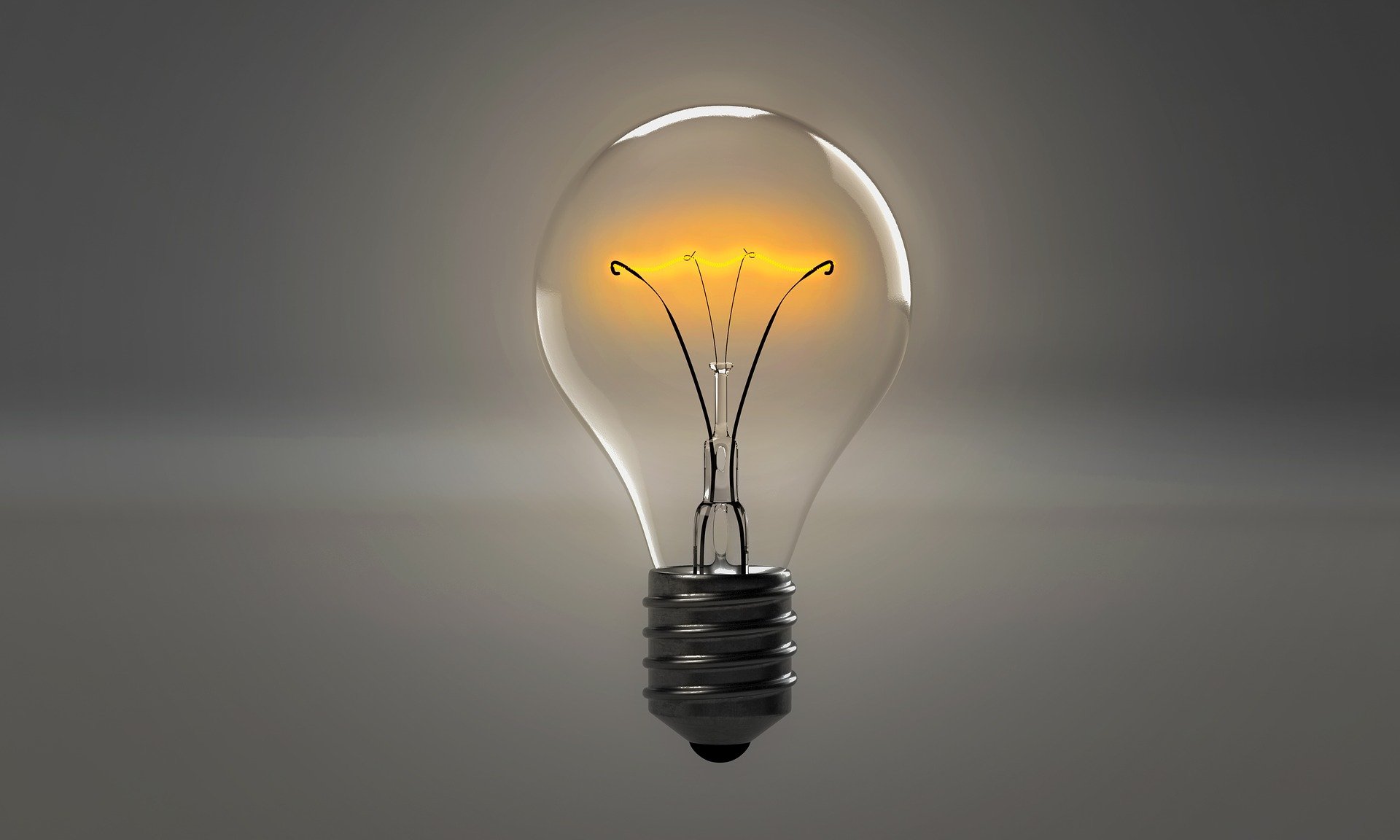
An incandescent lamp creates light by heating a thin wire filament until it glows white-hot.
The filament sits inside a glass bulb filled with inert gas or vacuum.
When electricity flows through the filament, it heats up to about 2,500 degrees Fahrenheit.
This extreme heat makes the filament emit visible light that illuminates our spaces.
The word “incandescent” means “glowing with heat,” which perfectly describes how these lamps work.
Key Components of Incandescent Lamps
The basic incandescent lamp contains several essential parts that work together:
The glass envelope protects the filament from oxygen that would cause it to burn up.
Metal base connects the lamp to electrical sockets and provides the electrical pathway.
Support wires hold the delicate filament in the correct position inside the bulb.
Filament material determines the lamp’s brightness, efficiency, and lifespan.
Fill gas prevents the filament from oxidizing and extends the lamp’s operating life.
The Year the Incandescent Lamp Was Invented
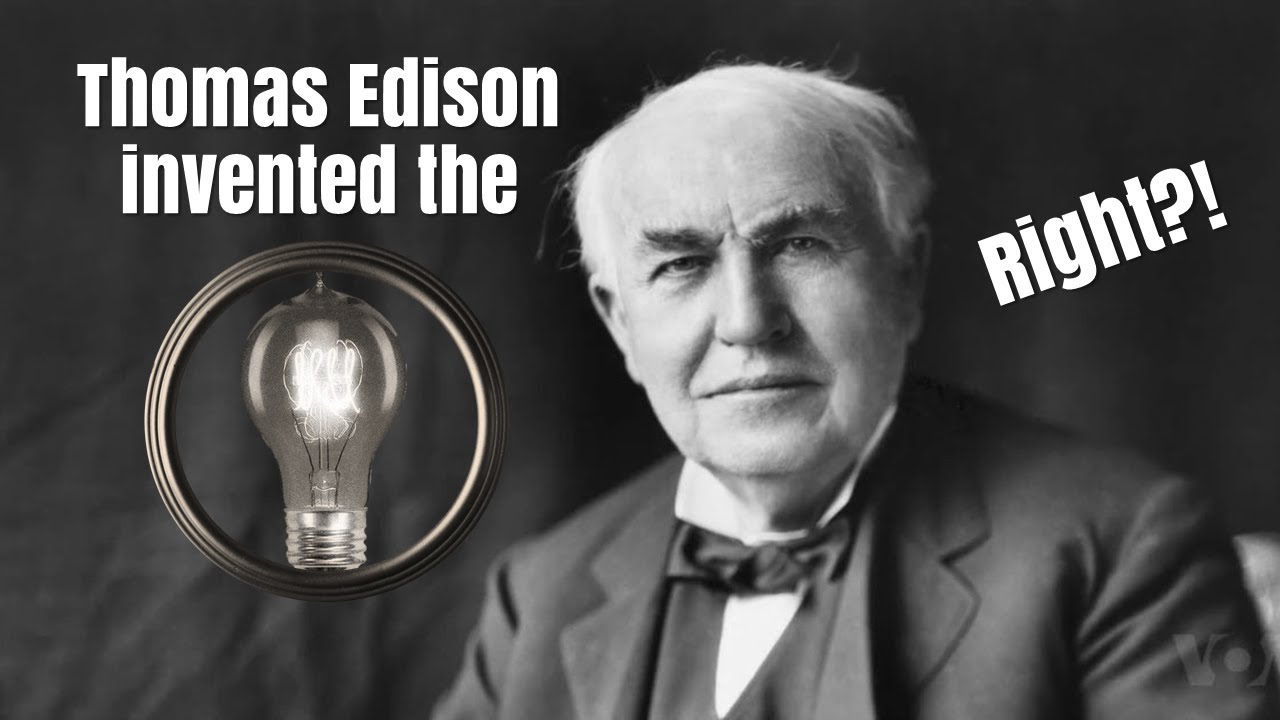
The incandescent lamp was invented in 1879 by Thomas Edison, but earlier versions existed decades before.
Edison’s lamp used a carbon filament that could burn for over 1,200 hours.
However, the complete history of incandescent lamp invention spans nearly 80 years.
Warren de la Rue created the first incandescent lamp in 1840 using a platinum filament.
His lamp worked but cost too much for regular people to buy and use.
Frederick de Moleyns received the first patent for an incandescent lamp in 1841.
Timeline of Incandescent Lamp Development
Here’s how the incandescent lamp evolved over time:
1802: Humphry Davy created the first electric light using a battery and carbon electrodes.
1840: Warren de la Rue made the first true incandescent lamp with platinum filament.
1841: Frederick de Moleyns got the first incandescent lamp patent in England.
1860: Joseph Swan began working on carbon filament lamps in England.
1878: Swan demonstrated his improved carbon filament lamp publicly.
1879: Edison perfected his carbon filament lamp and made it commercially viable.
1880: Edison’s lamp went into mass production and widespread use began.
Who Really Invented the Incandescent Lamp?
The incandescent lamp invention involves multiple brilliant inventors working across different countries.
Thomas Edison gets most credit, but he built upon earlier work by other scientists.
Joseph Swan in England developed working incandescent lamps before Edison’s success.
Heinrich Göbel claimed he invented incandescent lamps in New York during the 1850s.
Warren de la Rue’s 1840 platinum filament lamp was technically the first working model.
Thomas Edison’s Contribution
Edison didn’t invent the incandescent lamp, but he made it practical for everyday use.
His team tested over 3,000 different materials to find the perfect filament.
Edison created the entire electrical system needed to power incandescent lamps in homes.
He built the first power station to generate electricity for his lamp customers.
Edison’s business approach made incandescent lamps affordable for ordinary families.
Key Edison Statistics:
- Tested 3,000+ filament materials
- Filed 1,093 patents in his lifetime
- His first lamp burned for 13.5 hours
- Improved version lasted 1,200+ hours
- Built 30 power stations by 1890
Joseph Swan’s Earlier Work
- Joseph Swan actually demonstrated working incandescent lamps before Edison’s famous version.
- Swan received his first lamp patent in England during 1878, one year before Edison.
- His carbon filament lamps lit homes and public buildings across England.
- Swan faced the same problems as other early inventors with short-lived filaments.
- He later partnered with Edison to form the Edison & Swan Electric Company.
Early Attempts at Electric Lighting Before 1879
Scientists experimented with electric lighting for nearly 80 years before Edison’s breakthrough.
Most early attempts failed because they couldn’t create long-lasting, affordable light sources.
The main problems were finding the right filament material and creating proper vacuum conditions.
Humphry Davy’s Arc Lamp (1802)
- Humphry Davy created the first electric light by connecting battery terminals with carbon rods.
- His arc lamp produced incredibly bright light but consumed enormous amounts of electricity.
- The carbon rods burned away quickly, making this method impractical for regular use.
- Davy’s work proved that electricity could create artificial light for human use.
- This breakthrough inspired other inventors to pursue better electric lighting solutions.
Warren de la Rue’s Platinum Lamp (1840)
- Warren de la Rue built the first true incandescent lamp using a platinum wire filament.
- Platinum worked well because it had a high melting point and resisted oxidation.
- His lamp produced steady light and lasted longer than earlier electric lighting attempts.
- The major problem was cost – platinum was extremely expensive for mass production.
- Only wealthy people could afford de la Rue’s platinum filament lamps.
Heinrich Göbel’s Claims (1850s)
- Heinrich Göbel claimed he created working incandescent lamps in New York during the 1850s.
- He supposedly used carbonized bamboo fibers as filament material inside glass bulbs.
- Göbel’s lamps allegedly burned for several hours using simple battery power.
- However, historians debate whether Göbel’s claims are accurate or exaggerated.
- No physical evidence exists to prove his early incandescent lamp inventions.
Thomas Edison’s Breakthrough in 1879
Edison’s success came from systematic experimentation and business planning rather than pure invention.
His Menlo Park laboratory tested thousands of materials to find the ideal filament.
Edison’s team tried everything from human hair to exotic plant fibers.
The breakthrough came when they tested carbonized cotton thread as filament material.
The Famous October 21, 1879 Test
Edison’s team successfully tested their carbon filament lamp on October 21, 1879.
This lamp burned continuously for over 13 hours without failing or dimming.
The carbon filament was made from ordinary cotton sewing thread.
They heated the thread in an oxygen-free environment until it turned to carbon.
This process created a filament strong enough to handle electrical current.
Edison’s 1879 Lamp Specifications:
- Filament: Carbonized cotton thread
- Burn time: 13.5 hours continuous
- Power consumption: 1.6 watts
- Light output: 16 candlepower
- Voltage: 110 volts DC
Improvements Leading to Commercial Success
Edison didn’t stop with his first successful test on October 21, 1879.
His team continued improving the filament material and manufacturing process.
They discovered that carbonized bamboo fibers worked even better than cotton thread.
Bamboo filaments lasted over 1,200 hours, making them commercially viable.
Edison also developed the screw-in base design still used in modern light bulbs.
The First Practical Incandescent Lamp Design
Edison’s practical incandescent lamp solved the major problems that plagued earlier inventors.
The key innovations were better filament materials, improved vacuum technology, and mass production methods.
Filament Material Breakthrough
- Edison’s team discovered that organic materials made the best filaments when carbonized properly.
- Bamboo from Japan provided fibers with the ideal combination of strength and conductivity.
- The carbonization process required precise temperature control and oxygen-free conditions.
- Different bamboo species produced filaments with varying lifespans and light quality.
- Edison’s company established bamboo supply chains across multiple countries.
Vacuum Technology Improvements
- Creating a proper vacuum inside the glass bulb was crucial for filament longevity.
- Air inside the bulb would cause the hot filament to oxidize and burn out quickly.
- Edison’s team developed better vacuum pumps that removed more air from the bulbs.
- They also improved glass-blowing techniques to create stronger, more airtight bulbs.
- The combination of better vacuum and stronger glass increased lamp lifespan dramatically.
Mass Production Methods
- Edison focused on making incandescent lamps affordable for average families.
- His factory standardized the manufacturing process to reduce costs and improve quality.
- Assembly line methods allowed workers to produce hundreds of lamps per day.
- Quality control systems ensured that each lamp met minimum performance standards.
- These innovations made Edison’s lamps much cheaper than competitors’ products.
How Incandescent Lamps Work
Understanding how incandescent lamps work helps explain why they took so long to perfect.
The basic principle is simple, but the engineering details are quite complex.
The Physics of Incandescence
- When electricity flows through a thin wire, the wire heats up due to electrical resistance.
- As temperature increases, the wire begins glowing red, then orange, then white-hot.
- The color and brightness depend on the filament’s temperature and material properties.
- Higher temperatures produce whiter light but also cause filaments to wear out faster.
- Engineers must balance light quality, brightness, and lamp lifespan.
Electrical Resistance and Heat Generation
- Filament materials must have the right amount of electrical resistance.
- Too little resistance won’t generate enough heat to produce visible light.
- Too much resistance requires excessive voltage that makes the system dangerous and expensive.
- The filament’s thickness and length determine its electrical resistance characteristics.
- Edison’s team calculated the optimal dimensions for different voltage levels.
Light Emission Process
- Hot filaments emit electromagnetic radiation across a broad spectrum of wavelengths.
- Some of this radiation falls within the visible light range that human eyes can detect.
- Incandescent lamps produce warm, yellowish light similar to sunlight or candlelight.
- Most of the energy becomes heat rather than visible light, making these lamps inefficient.
- Only about 5% of the electrical energy becomes useful light in typical incandescent lamps.
Materials Used in Early Incandescent Lamps
Early inventors tried hundreds of different materials before finding practical solutions.
Each material had advantages and disadvantages that affected lamp performance and cost.
Carbon-Based Filaments
Carbon became the standard filament material for early commercial incandescent lamps.
Edison’s team carbonized various organic materials to create strong, conductive filaments.
Popular Carbon Filament Sources:
- Cotton sewing thread
- Bamboo fibers from Japan
- Paper strips
- Cardboard pieces
- Human hair
- Horsehair
- Cork
- Flax fibers
Metal Filament Experiments
Several inventors experimented with metal filaments before carbon became popular.
Metals offered advantages like consistency and availability but had significant drawbacks.
Metal Filaments Tested:
- Platinum (used by Warren de la Rue)
- Iridium
- Chromium
- Molybdenum
- Osmium
- Tantalum
Platinum worked well technically but cost too much for commercial production.
Most other metals melted at temperatures needed for bright light production.
Glass Bulb Materials
The glass envelope protecting the filament required special properties.
Regular window glass couldn’t handle the thermal stress of hot filaments.
Early lamp makers used hand-blown glass bulbs made from special heat-resistant formulations.
Glass had to be thin enough for light transmission but strong enough to hold vacuum.
Manufacturing consistent, defect-free glass bulbs was a major production challenge.
Manufacturing Process of Early Incandescent Lamps
Creating incandescent lamps required precise manufacturing processes and skilled craftsmen.
Early lamp production involved many hand-assembly steps that modern automation has replaced.
Filament Preparation
Making carbon filaments began with selecting high-quality organic materials.
Cotton thread, bamboo fibers, or paper strips were cut to exact lengths.
These materials were placed in special ovens heated to 1,800°F without oxygen present.
The carbonization process took several hours and required careful temperature control.
Finished filaments were tested for electrical resistance and mechanical strength.
Filament Production Steps:
- Material selection and cutting
- Forming into desired shape
- Carbonization in oxygen-free oven
- Cooling and handling
- Electrical testing
- Mechanical strength testing
- Storage until assembly
Glass Bulb Production
Glass bulbs were hand-blown by skilled craftsmen using special heat-resistant glass.
Each bulb had to be perfectly round with uniform wall thickness.
The neck opening needed precise dimensions to fit the metal base assembly.
Quality control rejected bulbs with air bubbles, stress marks, or dimensional variations.
Early production could only make 100-200 bulbs per craftsman per day.
Assembly Process
Lamp assembly required steady hands and attention to detail.
Workers mounted the delicate filament inside the glass bulb using support wires.
The metal base was attached to the bulb neck with heat-resistant cement.
Electrical connections were soldered carefully to avoid damaging the filament.
Finally, air was removed from the bulb using vacuum pumps.
Assembly Quality Control:
- Visual inspection of all components
- Electrical continuity testing
- Vacuum level measurement
- Burn-in testing for new designs
- Final packaging inspection
Modern Legacy of Edison’s Invention
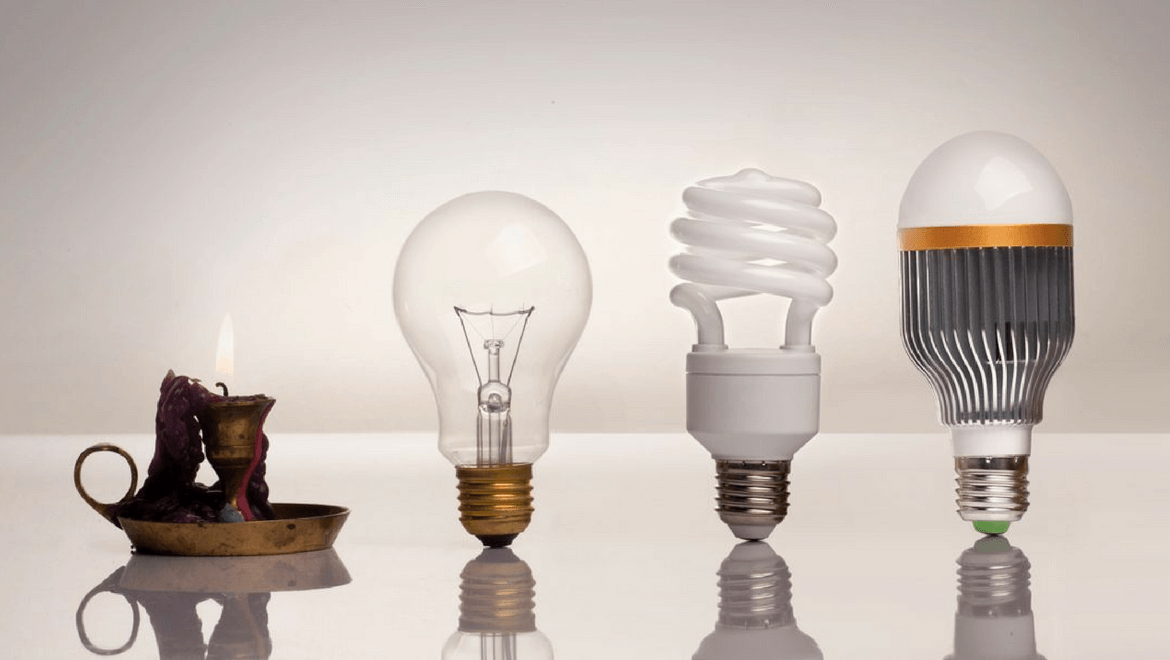
The incandescent lamp invention laid the foundation for today’s global electrical infrastructure.
Modern LED and fluorescent lights evolved from principles established in early incandescent research.
Technological Lineage
Edison’s electrical system design influenced power grid development worldwide.
The 110-volt standard Edison chose is still used in North America today.
Screw-base lamp sockets invented by Edison remain the global standard.
Research methods developed during incandescent lamp invention shaped modern R&D practices.
Modern Connections:
- Power grid voltage standards
- Light bulb socket designs
- Quality control processes
- Patent protection strategies
- Mass production techniques
Cultural Impact
The phrase “bright idea” comes from the association between light bulbs and innovation.
Edison became a cultural icon representing American ingenuity and entrepreneurship.
Electric lighting symbolizes progress, civilization, and human advancement.
The light bulb remains the universal symbol for creativity and innovation.
Educational Value
The incandescent lamp invention story teaches important lessons about innovation.
Students learn that major inventions build upon earlier work by multiple contributors.
The story demonstrates how business acumen is as important as technical innovation.
Edison’s systematic research approach became a model for modern industrial R&D.
FAQs
When was the first incandescent lamp made?
The first practical incandescent lamp was created by Thomas Edison in 1879.
However, early prototypes by Humphry Davy (1802) and others came before.
Edison’s version was the first commercially viable, long-lasting bulb.
How old are incandescent light bulbs?
Incandescent light bulbs are over 140 years old, dating back to 1879.
Though early versions existed earlier, Edison’s design set the standard.
They’ve been widely used since the late 19th century.
Were there lightbulbs in 1920?
Yes, incandescent light bulbs were common by the 1920s.
Homes, businesses, and streetlights used them widely by then.
Their popularity grew after mass electrification in the early 20th century.
When were incandescent lights banned?
Many countries began phasing out incandescent bulbs in the 2010s.
In the U.S., most types were effectively banned starting August 2023.
The move aims to promote energy-efficient lighting like LEDs.
Why is it called an incandescent lamp?
The name comes from “incandescence,” meaning to emit light from heat.
Electric current heats a filament inside the bulb until it glows.
This glowing effect defines how incandescent lamps produce light.
What is the oldest incandescent light bulb?
The oldest known working bulb is the Centennial Light in California.
It has burned almost continuously since 1901, over 120 years.
It’s on display at Livermore Fire Station and holds a Guinness World Record.
Conclusion: The Lasting Impact of the Incandescent Lamp
When was the incandescent lamp invented? The answer is more complex than most people realize.
While Edison perfected the practical incandescent lamp in 1879, the invention involved decades of work by multiple innovators.
Warren de la Rue created the first working version in 1840, but Edison made it commercially successful.
This invention transformed human civilization by extending productive hours beyond sunset.
Cities became safer, businesses more profitable, and families could gather in well-lit homes.
The economic impact created millions of jobs and entirely new industries.
Modern society still depends on the electrical infrastructure that began with Edison’s lamp.
Today’s LED lights and smart bulbs trace their lineage back to that first successful carbon filament test in 1879.
The incandescent lamp invention proves that great innovations combine technical brilliance with business vision.
Edison understood that invention without practical application and mass production means little.
The story continues inspiring inventors, entrepreneurs, and students around the world.
From a simple glowing wire in a glass bulb came the foundation of our electrically powered civilization.
The incandescent lamp invention remains one of humanity’s most transformative achievements.
