

A damp basement often starts quietly. A small wet spot appears after heavy rain, a musty odor lingers near a wall, or boxes stored on the floor begin to feel damp. These signs may look minor at first, but moisture can spread into bigger problems when its source goes unnoticed.
Modern Battle Creek basement waterproofing takes a broader approach to moisture control. Instead of focusing only on the spot where water appears, newer methods examine drainage, foundation openings, groundwater, humidity, and conditions around the building. Better inspection tools and monitoring devices also make it easier to spot changes before standing water takes over the basement.
Understanding these newer options gives residents a clearer picture of what may be happening below ground and what steps may keep the space dry.
Finding Where The Water Starts
Water inside a basement does not always come from an obvious crack. Rainwater may collect near foundation walls because of poor grading, short downspouts, clogged gutters, or drainage problems around the building.
Groundwater creates another concern. When the soil surrounding a foundation becomes saturated, pressure may push moisture through small cracks, joints, or gaps around pipes. Water may also enter where the basement wall meets the floor.
Not every damp area comes from outside. Condensation may form when humid indoor air meets cooler basement walls, pipes, or floors. Plumbing leaks and HVAC equipment may create similar signs.
Before choosing a repair method, look at when and where the moisture appears. A wet wall after rainfall suggests something different from condensation that develops throughout humid weather. Finding that pattern is an important first step.
Technology Makes Inspections More Detailed
A flashlight and visual inspection still matter, but moisture investigations have become more sophisticated.
Moisture meters provide readings from walls and other materials that may contain moisture even when the surface appears dry. Humidity monitors track changing conditions inside the basement. Thermal imaging may reveal temperature differences associated with damp sections behind finished surfaces.
Digital photos also make it easier to document cracks, water stains, or other changes. Comparing images taken months apart may show a crack changing or moisture repeatedly developing in one location.
These tools provide more information during a basement waterproofing evaluation, but technology should be paired with a complete inspection. Exterior drainage, grading, gutters, foundation conditions, and interior moisture patterns all deserve attention.
Interior Drainage Keeps Water Moving
When water regularly reaches the basement, an interior drainage system may become part of the solution.
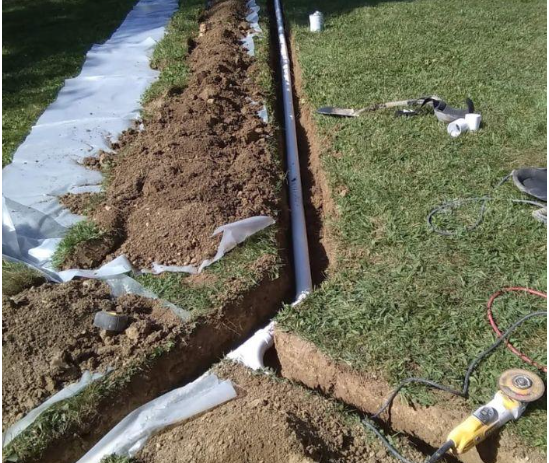
Perimeter drainage channels collect moisture near basement walls and floors. Water is then directed toward a sump basin rather than spreading across the floor. A sump pump moves the collected water through a discharge line and away from the structure.
Modern systems may also include battery backups and high-water alarms. A backup source becomes particularly useful during storms when power outages and high groundwater may happen at the same time. Water-level alarms provide another warning if a pump stops working or the basin fills unusually quickly.
Routine maintenance remains important. Test pumps periodically, and keep discharge lines clear. Backup batteries also need inspection per the manufacturer’s instructions.
Exterior Drainage Remains A Major Factor
Smart technology is useful, but keeping rainwater away from the foundation remains one of the most practical moisture-control strategies.
Start by looking upward. Gutters collect a large amount of roof runoff during storms. If gutters overflow or downspouts release water next to the foundation, that water may soak into the surrounding soil.
Next, examine the ground. Soil should generally direct surface water away from the structure rather than allowing it to collect beside basement walls.
The U.S. Environmental Protection Agency states that basement water may result from missing gutters or water flowing toward a building. The agency also advises correcting leaks and seepage and maintaining ground that slopes away from the foundation. Readers interested in moisture prevention may review the EPA’s official guidance here. EPA moisture-control guidance
Exterior cracks and openings should also receive attention. Depending on the source and severity of the problem, the overall plan may include exterior drainage improvements, foundation repairs, or waterproofing materials.
Smart Sensors Provide Earlier Warnings
Water sensors have introduced another useful layer of protection.
Small connected sensors may be placed near sump pumps, utility equipment, foundation walls, or areas with a history of leaking. When water reaches the sensor, some devices send an alert to a phone.
Humidity monitors provide similar information about changing moisture levels. Instead of discovering high humidity after condensation becomes visible, residents may notice rising readings earlier.
These devices do not replace basement waterproofing systems. Their value comes from providing additional information. Early alerts may give someone time to investigate a leak, pump problem, or humidity increase before more of the basement becomes wet.
Monitoring is especially useful in finished basements or spaces where valuable items are stored close to the floor.
Humidity Deserves Attention Below Ground
A basement may feel damp without visible water entering through the foundation.
Warm, humid air sometimes produces condensation when it reaches cool basement surfaces. Moisture may collect on pipes, walls, windows, or other materials. Over time, persistent humidity creates conditions where unwanted biological growth may develop.
A dehumidifier is one practical option when humidity remains high. Ventilation and air movement may also reduce condensation in certain situations.
The EPA recommends keeping indoor humidity below 60 percent when possible, with an ideal range between 30 and 50 percent. It also advises drying wet materials within 24 to 48 hours following leaks or spills to reduce the chance of mold growth.
Tracking humidity gives residents another piece of the puzzle. If readings rise during certain seasons or weather patterns, those trends may guide the next inspection.
Combining Several Methods Often Works Better
Basement moisture problems rarely follow one exact pattern.
One building may need longer downspouts and better grading. Another may require crack repairs and interior drainage. A third may benefit from a sump pump, humidity management, and exterior drainage improvements working together.
Successful basement waterproofing starts with matching the response to the actual moisture source. Covering a damp wall without investigating where the water originated may hide symptoms while the underlying issue continues.
Ask practical questions during an inspection. Where does the moisture first appear? Does it occur during rain, snowmelt, humid weather, or throughout the year? Are gutters working properly? Is water collecting outside? Have you tested the sump pump recently?
Those observations provide useful information when deciding what comes next.
Staying Ahead Of Basement Moisture
Modern moisture control has become more proactive. Moisture meters, thermal imaging, connected sensors, sump pump alarms, drainage systems, and humidity monitoring provide more ways to detect trouble earlier.
Technology is only part of the picture. Good exterior drainage, routine inspections, clean gutters, functioning pumps, and timely repairs remain key to keeping water under control.
A thoughtful basement waterproofing strategy looks beyond the first wet spot and considers how water moves around the entire structure. Noticing early warning signs may keep a manageable moisture issue from becoming a much larger project.
For an evaluation of basement moisture, drainage concerns, foundation cracks, or recurring water problems, contact Battle Creek Foundation Repair Pros to discuss practical options for keeping your basement dry.
