




How Much to Travel to Hawaii depends on several key factors, including when you go, where you’re flying from, which island you visit, and how you like to travel. For most people, a 7-day trip to Hawaii will cost between $2,000 and $3,000 per person.
Couples can expect to spend $4,000 to $5,500 total, while families may need $6,000 or more, especially when factoring in airfare, lodging, food, transportation, and activities.
Flights to Hawaii are a significant part of your budget. Round-trip airfare from the U.S. West Coast typically ranges from $400 to $800.
From the Midwest or East Coast, expect to pay between $700 and $1,500. Booking early and traveling during off-peak seasons—such as April to June or September to mid-November—can help reduce costs significantly.
Accommodation prices in Hawaii vary based on your travel style and destination. Budget options like hostels or economy hotels can cost around $100 to $150 per night.
Mid-range hotels average between $200 and $400 per night, while luxury beachfront resorts easily exceed $500 per night. Vacation rentals through platforms like Airbnb or Vrbo are a great option for families or groups, often offering more space and savings on meals thanks to kitchen access.
Food expenses also add up quickly. If you’re budget-conscious, expect to spend $30 to $50 per day by eating at food trucks, grocery stores, or casual spots. Mid-range travelers should plan for $50 to $100 per day, while luxury dining experiences can bring your daily food cost to $100 or more. Many visitors mix it up—eating out for a few meals while preparing others at their accommodations.
Transportation is another important cost to consider. On islands like Maui, Kauai, and the Big Island, renting a car is often necessary and usually costs $50 to $100 per day, not including gas or parking.
On Oahu, however, public transportation is widely available and affordable. If you’re visiting multiple islands, inter-island flights typically cost between $70 and $150 each way.
Activities and excursions vary widely depending on your interests. Many of Hawaii’s best attractions—like beaches, waterfalls, and hiking trails—are free.
However, organized tours can be pricey. For example, snorkeling or sunset cruises often cost $75 to $150 per person, helicopter tours can range from $250 to $400, and traditional Hawaiian luaus usually run between $100 and $180. Planning two or three major excursions and filling the rest of your itinerary with low-cost or free activities is a smart way to balance your budget.
In addition to major categories, don’t forget about hidden expenses. These include resort fees ($25–$50 per night), hotel parking fees ($20–$40 daily), travel insurance ($50–$100), and other extras like tips, souvenirs, and unexpected costs. Always build in a little buffer to stay comfortable.
Ultimately, how much to travel to Hawaii depends on the kind of experience you want. Whether you’re aiming for a budget-friendly escape or a luxury island getaway, understanding the costs involved will help you plan wisely.
With thoughtful budgeting and flexible planning, Hawaii can be both a dream destination and a realistic travel goal.
Average Cost of a Trip to Hawaii
The average cost of a trip to Hawaii depends on your travel style, destination island, and time of year, but most travelers can expect to spend between $2,000 and $3,000 per person for a 7-day vacation.
This estimate includes round-trip airfare, lodging, meals, transportation, and activities. For couples, the cost typically ranges from $4,000 to $5,500, while a family of four might spend anywhere from $6,000 to $10,000 or more, depending on accommodations and excursions.
Flights are usually the largest upfront expense, with round-trip airfare ranging from $400 to $1,200, depending on where you’re flying from and when you book.
Accommodations can range from $100 per night for budget stays to $500+ per night for luxury resorts. Food, rental cars, and popular activities—like snorkeling tours or luaus—can quickly add to your total.
Overall, Hawaii is not a low-cost destination, but it offers unforgettable value through its natural beauty, culture, and once-in-a-lifetime experiences. With smart planning, you can tailor your trip to fit almost any budget.
Flight Prices to Hawaii from Major Cities


Flight prices to Hawaii can vary significantly depending on your departure city, travel season, and how far in advance you book.
On average, round-trip flights from the U.S. West Coast—including cities like Los Angeles, San Diego, and San Francisco—range from $400 to $800, especially if booked early or during off-peak months like April, May, September, or October.
Travelers flying from Midwestern cities such as Chicago, Denver, or Minneapolis can expect to pay $700 to $1,200, while those departing from East Coast cities like New York, Boston, or Miami might pay $800 to $1,500 or more.
Prices can spike during peak travel times, such as summer, winter holidays, and spring break. Booking flights 2–4 months in advance and flying midweek (Tuesday or Wednesday) can often result in lower fares.
Also, flying into Honolulu (Oahu) is usually cheaper than flying directly to Maui, Kauai, or the Big Island. Use fare alert tools and flexible date searches to find the best deals for your Hawaii trip.
Hotel and Accommodation Costs in Hawaii
Hotel and accommodation costs in Hawaii can vary widely based on the island, location, season, and type of lodging you choose.
On average, budget travelers can find economy hotels, hostels, or motels for around $100 to $150 per night. Mid-range hotels typically cost $200 to $400 per night, offering comfortable amenities and good locations near beaches or attractions.
If you’re looking for a more luxurious stay, high-end resorts and beachfront properties often charge $500 or more per night, especially in areas like Waikiki (Oahu), Wailea (Maui), or the Kohala Coast (Big Island).
Vacation rentals through Airbnb or Vrbo are popular options, particularly for families or longer stays. These rentals can range from $150 to $350 per night depending on size and location, and often include kitchens, which help save on dining costs.
Keep in mind that many hotels and resorts also charge daily resort fees ($25–$50) and parking fees ($20–$40), which can significantly increase the total cost of your stay.
Daily Food and Dining Expenses
Daily food and dining expenses in Hawaii can vary depending on where and how you choose to eat. For budget-conscious travelers, it’s possible to spend around $30 to $50 per day by grabbing meals from food trucks, local diners, grocery stores, or casual cafes.
Mid-range travelers who dine at sit-down restaurants and enjoy the occasional treat can expect to spend $50 to $100 per day on meals. For those opting for fine dining or resort restaurants, daily food costs can easily exceed $100 per person.
Breakfast is often included in some hotel stays, which helps reduce overall costs. For lunch, many visitors enjoy quick bites like poke bowls, plate lunches, or fresh fruit from farmers markets.
Dinner tends to be the most expensive meal, especially if you’re dining at popular beachfront restaurants or enjoying seafood and cocktails. To save money, consider preparing some meals in your rental or booking accommodations with kitchen access.
Overall, food in Hawaii is delicious but often pricier than the mainland due to import costs—so budgeting wisely can go a long way.
Transportation
Transportation costs in Hawaii largely depend on the island you’re visiting and how much flexibility you want during your trip.
On Maui, the Big Island, and Kauai, renting a car is highly recommended for exploring at your own pace, with average rental rates ranging from $50 to $100 per day, plus gas and parking fees. Parking at hotels may cost an additional $20 to $40 per day, and gas prices are typically higher than on the mainland.
On Oahu, especially in Honolulu and Waikiki, public transportation is a more budget-friendly and convenient option.
The island’s bus system, known as TheBus, covers most major attractions and costs only $3 per ride or $7.50 for a full-day pass. Rideshare apps like Uber and Lyft are also available on most islands but can become expensive for longer distances.
If you plan to island-hop, expect to pay $70 to $150 per one-way inter-island flight. Booking early and flying midweek can help reduce costs. For most travelers, a mix of rental cars, transit, and walking works well depending on the island.
Cheapest Time of Year to Visit Hawaii
The cheapest time of year to visit Hawaii is typically during the shoulder seasons, which fall between mid-April to early June and September to mid-December.
These months offer lower airfare, reduced hotel rates, and fewer crowds compared to peak travel periods like summer, the winter holidays, and spring break.
During the shoulder seasons, you’ll often find flights for $400–$700 round-trip and hotel discounts of 20–40%, especially if you book early or choose midweek stays.
Not only are prices lower, but the weather remains warm and pleasant—perfect for beach days and outdoor activities. Plus, attractions are less crowded, making for a more relaxing experience overall.
If you’re looking to save even more, try flying into Honolulu (Oahu), where flights tend to be cheaper, and then use inter-island flights for day trips or short stays elsewhere.
By planning your trip during these off-peak windows, you can enjoy Hawaii’s beauty and culture at a much more affordable price without sacrificing the experience.
Hidden Costs Most Travelers Overlook
When budgeting for a Hawaii trip, many travelers forget to account for hidden costs that can quickly add up. One of the most common is the daily resort fee, which ranges from $25 to $50 per night at many hotels and isn’t always included in the base price.
Parking fees at hotels, especially in urban areas like Waikiki, can cost $20 to $40 per night, whether you valet or self-park. Taxes on accommodations and rental cars are also higher in Hawaii than in many other states.
Other overlooked expenses include baggage fees for inter-island flights, travel insurance, which typically runs $50 to $100, and tipping, which is customary for hotel staff, tour guides, and restaurant service.
Don’t forget about souvenirs, snacks, and last-minute items like sunscreen or bug spray, which are often more expensive on the islands.
Factoring in these hidden costs in advance helps avoid budget surprises and ensures your Hawaii vacation stays stress-free and financially smooth.
Tips to Travel to Hawaii on a Budget
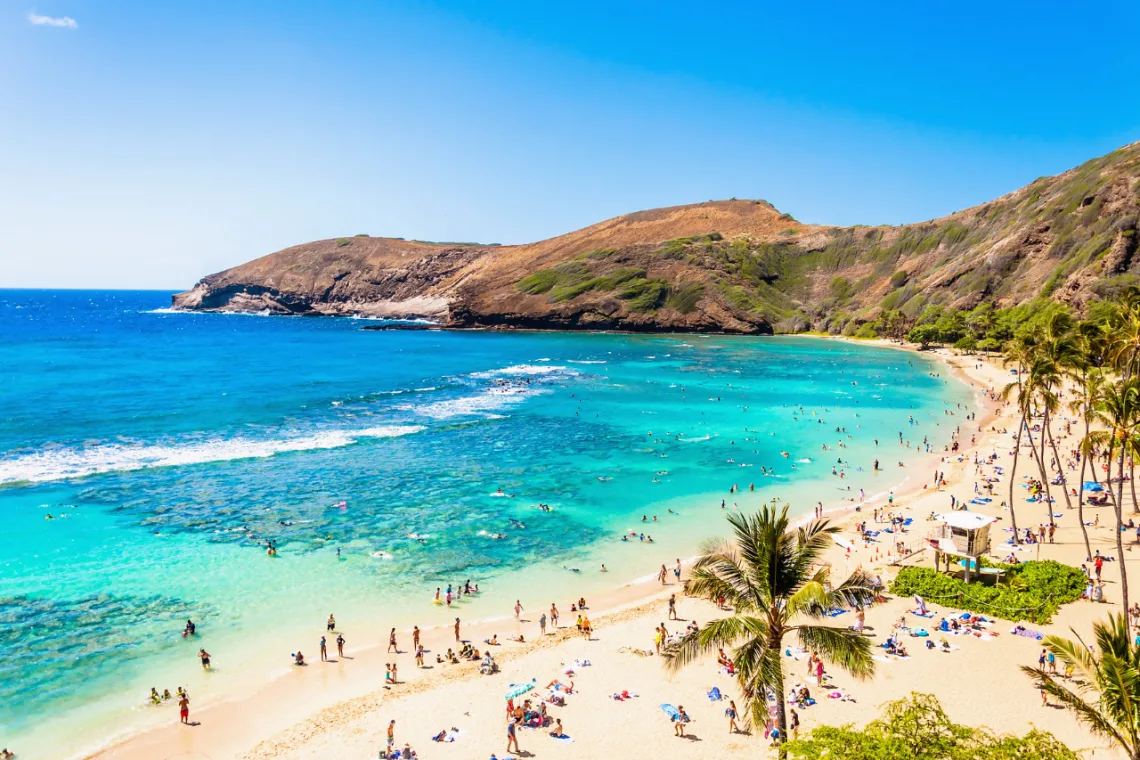

Traveling to Hawaii on a budget is absolutely possible with some smart planning and flexibility. Start by booking your flights and accommodations well in advance, ideally during the shoulder seasons—April to early June and September to early December—when prices are typically lower.
Use fare alert tools and compare flights into different islands, as flying into Honolulu (Oahu) is often the cheapest option. For accommodations, consider budget hotels, vacation rentals, or even hostels, and look for places with kitchen access so you can cook some of your own meals.
Getting around can also be affordable—use public transportation on Oahu, or split rental car costs with travel companions on other islands.
Focus your itinerary on free or low-cost activities like beaches, hiking trails, scenic drives, and cultural festivals. Limit expensive excursions to one or two highlights. Finally, pack essentials like sunscreen and reusable water bottles to avoid marked-up prices on the islands.
Conclusion
Hawaii is a dream destination for many—and with thoughtful planning, it can also be a financially manageable one.
From flights and hotels to food, transportation, and excursions, the total cost of traveling to Hawaii varies based on your choices, travel season, and the island you visit. On average, a 7-day trip will cost between $2,000 and $3,000 per person, though you can spend less or more depending on your travel style.
By understanding the major expenses and accounting for hidden costs, you can create a realistic budget that fits your needs.
Traveling during off-peak months, using smart booking tools, choosing budget-friendly accommodations, and focusing on free natural attractions can all help you save without sacrificing the experience.
Whether you’re visiting for relaxation, adventure, or a once-in-a-lifetime celebration, Hawaii offers incredible value through its natural beauty, rich culture, and welcoming spirit. With the right approach, your Hawaiian getaway can be both unforgettable and affordable.


