

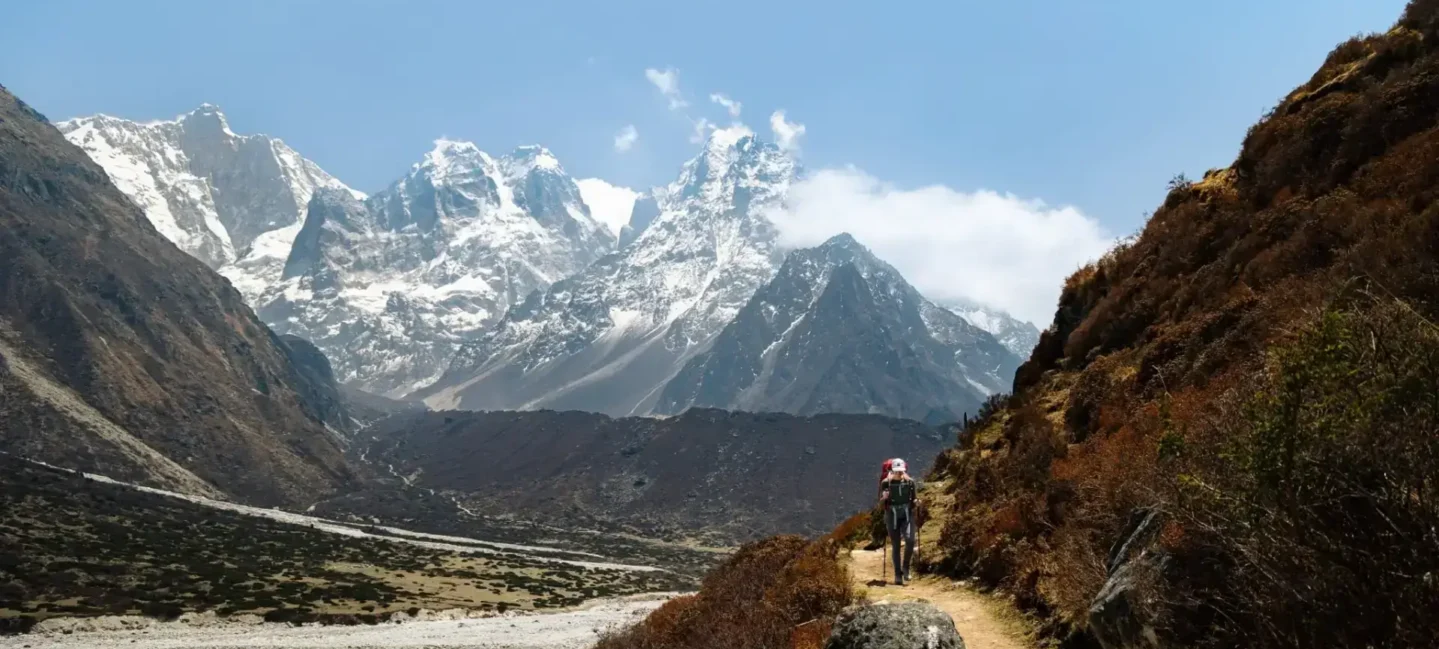
Three months sounds like a long time. It isn’t — not when you’re heading to 4,130 meters above sea level. The Annapurna Base Camp Trek pulls in over 150,000 trekkers every year, making it one of the busiest mountain trails on the planet, according to the Nepal Tourism Board. Yet a surprising number of those trekkers show up underprepared — wrong gear, no fitness base, and zero knowledge of altitude. The result? Turned back halfway, or worse. This guide gives you a clear, month-by-month plan to arrive ready.
What Exactly Is the Annapurna Base Camp Trek?
Before you prep, you need to understand what you’re actually getting into.
The ABC Trek is a 7 to 12-day trek through the Annapurna Sanctuary in the Himalayas of central Nepal. You start in the foothills around Nayapul or Phedi, climb through rhododendron forests and traditional Gurung villages, and eventually reach a glacier-ringed amphitheater at 4,130 meters.
It’s not a technical climb. No ropes, no crampons. But it’s a serious, sustained physical effort at high altitude and that combination trips up people who think, “I go to the gym three times a week; I’ll be fine.”
You won’t be fine without preparation. But with three months of smart, structured prep? You’ll be more than fine.
Why Do So Many Trekkers Struggle on the ABC Trail?
What Are the Biggest Challenges on Annapurna Base Camp Trek?
Here are the three most common reasons trekkers struggle — or bail:
- Altitude sickness (AMS) Above 3,000 meters, the air holds less oxygen. Your body needs time to adapt. Pushing too hard, too fast causes headaches, nausea, dizziness, and in serious cases, dangerous fluid buildup in the lungs or brain. The Wilderness Medical Society estimates that 25–50% of trekkers above 3,000m experience some form of AMS.
- Weak legs and poor cardiovascular fitness The ABC trail involves long days of 5–8 hours of walking, often on steep, uneven stone steps. If your daily life involves a desk and a car, your body is going to loudly object.
- Poor gear choices Cotton clothing, cheap rain jackets, and fashion sneakers are a recipe for misery. Wet cotton in the Himalayas is dangerous — it holds cold against your skin and dries painfully slowly.
The 3-Month Preparation Plan: Month by Month
Think of this like training for a marathon — except instead of a flat road, you’re heading uphill for days. Here’s exactly what to do.
Month 1: Build Your Base Fitness
Goal: Get your body moving consistently.
You don’t have to be super fit to get ready for the Annapurna Base Camp trek. All you need to do is move a little every day and build up slowly.
Week 1–2:
- Walk 30–45 minutes daily, ideally on hilly terrain
- Add bodyweight squats (3 sets of 15), lunges and step-ups
- Stretch your calves, hamstrings and hip flexors every evening
Week 3–4:
- Increase walks to 60–75 minutes
- Add light jogging for 20 minutes on flat ground, 3x per week
- Begin stair climbing — 10 to 15 floors, twice a week
Key focus areas for Month 1:
- Legs and glutes (they do 80% of the work on trail)
- Cardiovascular endurance (your heart needs to work efficiently uphill)
- Flexibility and joint health (knees take a beating on downhill sections)
Think of Month 1 as laying the concrete foundation. Nothing flashy happens yet. But everything you build later depends on it.
Month 2: Build Trekking-Specific Strength
Goal: Train your body for the specific demands of mountain trekking.
Generic gym fitness and trekking fitness are not the same thing. A person who deadlifts 200 pounds can fall apart on a 6-hour uphill day. Here’s how to close that gap.
Training focus:
| Activity | Frequency | Duration |
| Loaded hiking backpack (7–10 kg) | 2x per week | 90–120 min |
| Stair climbing with pack | 2x per week | 45–60 min |
| Jogging or cycling | 3x per week | 30–45 min |
| Strength training (legs, core) | 2x per week | 45 min |
| Yoga or stretching | Daily | 20 min |
Add a pack. This is the most overlooked step. On ABC, you’ll carry a daypack of 6–10 kg every day. Train with it. Your shoulders, hips, and knees need to get used to it.
Weekend hikes: Try to get out on actual trails at least twice in Month 2. Even a 3–4 hour local hike with elevation gain is more valuable than any gym session.
Month 3: Simulate the Trek
Goal: Replicate what the actual trail will feel like.
By Month 3, you should be feeling noticeably stronger. Now it’s time to push your endurance closer to real-trek conditions.
Key activities:
- Plan at least one overnight or multi-day hike if accessible
- Do back-to-back hiking days (e.g., Saturday 5 hours + Sunday 4 hours) to simulate consecutive trek days
- Reduce rest days — your body needs to adapt to moving without full recovery
Two weeks before departure: Start tapering. Reduce intensity by 30–40%. You want to arrive fresh, not exhausted. Sleep becomes your best training tool in this final phase.
What Gear Do You Actually Need for ABC Trek?
What to Bring for Your Annapurna Base Camp Trek
Gear isn’t just comfort — it’s safety. Here’s what matters most:
The Non-Negotiables:
- Trekking boots — waterproof, ankle-supporting, already broken in (never wear new boots on trek day one)
- Layering system — moisture-wicking base layer, insulating mid-layer (fleece or down), waterproof outer shell
- Trekking poles — critical for descents; reduces knee impact by up to 25%, per research published in the Journal of Sports Sciences
- Sleeping bag — designed for cold conditions, at least -10°C; teahouses provide blankets but they’re often not warm enough above 3,500m
- Headlamp — with spare batteries; power outages in teahouses happen regularly
- Water purification — tablets or a SteriPen; never drink untreated water on trail
Gear Comparison: Prepared vs. Underprepared Trekker
| Item | Prepared Trekker | Underprepared Trekker |
| Footwear | Broken-in waterproof boots | Running shoes or new boots |
| Clothing | Technical layering system | Cotton hoodies and jeans |
| Pack weight | 7–9 kg, well-distributed | 14+ kg, poorly packed |
| Water | Purification system | Buying bottles daily (expensive + wasteful) |
| Medication | Diamox, blister kit, altitude meds | Nothing |
| Navigation | Offline maps + guide | Phone with no offline data |
The difference isn’t just comfort. It’s the difference between finishing the trek and being escorted back down.
Health Prep: What to Do Before You Leave Home
Do You Need Any Vaccinations or Medical Checks?
Yes and don’t skip this step.
Recommended vaccinations (check with your doctor or a travel health clinic):
- Hepatitis A and B
- Typhoid
- Tetanus booster
- Rabies (optional but worth considering)
Talk to your doctor about Diamox (acetazolamide). This prescription medication helps your body acclimatize faster. It’s commonly used by trekkers above 3,000m. It doesn’t replace proper acclimatization it supports it.
Get a fitness check: If you have any history of heart, lung, or blood pressure conditions, get cleared by a doctor before booking. Altitude puts real strain on your cardiovascular system.
Mental Preparation: The Part Nobody Talks About
How Do You Stay Motivated When It Gets Hard?
Physical fitness gets you to Base Camp. Mental fitness keeps you going when every muscle aches and the weather turns.
A few things that actually help:
Set micro-goals. Do not think “I have to get to 4,130m no matter what happens.” Think “I need to get to Bamboo today.” Breaking the trek into daily targets makes it psychologically manageable.
Set a “why” for yourself. Jot down your motivation before the Annapurna Base Camp trek and check it when day 6 feels hard.
Accept discomfort as part of the deal. Trekking at altitude is genuinely uncomfortable at times. Sore legs, breathlessness, cold nights. That discomfort isn’t a sign something’s wrong — it’s the experience. Frame it that way.
Pre-Trek Checklist (Final 2 Weeks)
Use this as your countdown list:
- ✅ Confirm all permits (TIMS Card + Annapurna Conservation Area Permit)
- ✅ Book travel insurance covering high altitude (above 4,000m) as well as helicopter rescue
- ✅ Break in your boots — wear them for at least 20+ hours before the trek
- ✅ Download offline maps (Maps.me or Gaia GPS) for the Annapurna region
- ✅ Pack a small first aid kit: blister pads, Diamox, ibuprofen, antidiarrheal meds, bandages
- ✅ Notify your bank of international travel
- ✅ Arrange airport transfer and first-night accommodation in Pokhara
- ✅ Brief your guide or agency on any health concerns
Key Takeaways
✅ Three months is enough to get genuinely prepared for Annapurna Base Camp — if you are consistent and intentional.
✅ Altitude sickness is real: 25–50% of trekkers above 3,000m feel it. Acclimatize properly, ascend slowly, and consider Diamox.
✅ Train with your pack. A loaded backpack changes everything. Add it to your training in Month 2.
✅ Gear matters more than people think. Waterproof boots, technical layering, and trekking poles are not optional extras.
✅ Permits required: TIMS Card and Annapurna Conservation Area Permit (ACAP) — both mandatory for all foreign trekkers.
✅ Travel insurance with helicopter evacuation cover is non-negotiable for any high-altitude trek in Nepal.
✅ Nepal Hiking Team provides fully guided Annapurna Base Camp Trek packages with experienced local guides, all permits arranged, and safety support throughout your journey — so you can focus entirely on the experience.
Final Thoughts
Preparing for the Annapurna Base Camp Trek in three months is completely realistic. Thousands of trekkers do it every year — office workers, parents in their 50s, first-time hikers — and they make it to that stunning glacier amphitheater because they put in the work before they ever touched down in Kathmandu.
If you want expert help making sure every detail is sorted — from permits and guide booking to daily itinerary planning and safety briefings — Nepal Hiking Team is the partner worth having in your corner. Their local knowledge, licensed guides, and years of experience on the Annapurna trail mean you won’t be figuring things out alone at altitude.
