



The term “male hawk” can refer to different things depending on the context, particularly in the realms of ornithology and popular culture.
In the bird world, a male hawk is often called a tercel. This term is used in falconry to describe male raptors, including hawks and falcons.
Generally, male hawks are smaller than their female counterparts. This size difference is notable in species like the Cooper’s Hawk, where the male is usually about 14.6 to 15.3 inches long and weighs around 7.8 to 14.5 ounces, while females tend to be larger and heavier. This size difference is common across many bird species.
In a more specific context, Pale Male was a famous red-tailed hawk that gained popularity in New York City.
He became a symbol of urban wildlife, nesting on a skyscraper at 927 Fifth Avenue. His story attracted birdwatchers and conservationists.
He passed away in 2023, leaving behind a legacy of raising awareness for urban wildlife preservation.
In other cases, Rufus, a male Harris’s hawk, became well-known for his role at the Wimbledon Championships, where he was used to deter pigeons. His unique job made him a local celebrity.
Thus, “male hawk” could refer to either a gender-specific term for a bird or famous hawks with unique stories.
What is a Male Hawk? Understanding the Tercel
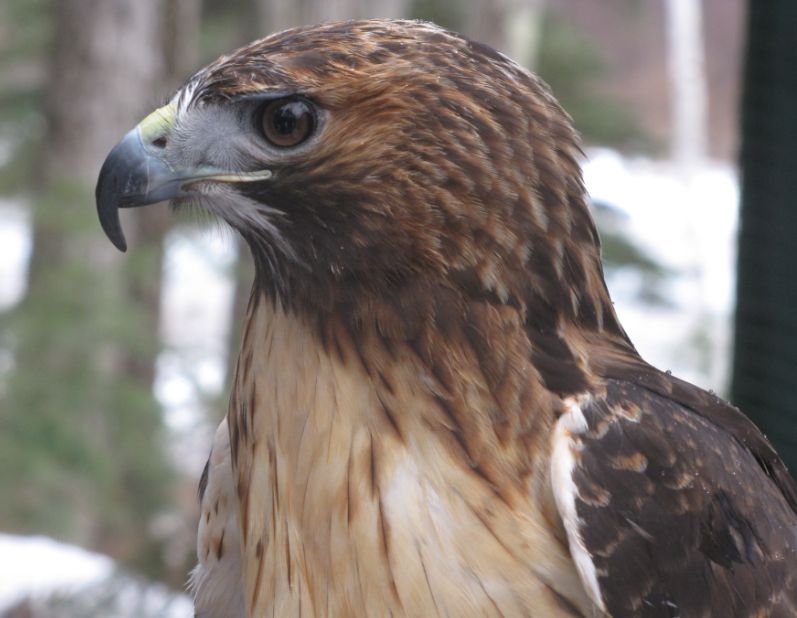

In the world of hawks and raptors, a male hawk is commonly referred to as a tercel. This term originates from falconry and is used to describe male members of certain bird species, especially raptors like falcons and hawks.
The word tercel is derived from the Latin word “tertius,” meaning “third,” as male raptors are generally one-third smaller than their female counterparts.
In many hawk species, including Cooper’s Hawks and Red-tailed Hawks, males are notably smaller and lighter than females.
This size difference is a characteristic known as sexual dimorphism, which is common in raptors.
Males typically weigh less, have shorter wingspans, and are more agile in flight compared to females.
This size disparity plays a significant role in their behavior, as smaller males are more capable of maneuvering through dense foliage while hunting.
Male hawks, or tercels, are incredibly skilled hunters and are vital to maintaining ecological balance.
They use their sharp talons and excellent vision to catch small to medium-sized prey. In addition to their hunting abilities, male hawks also play a crucial role in courtship and territory defense, often engaging in aerial displays to attract females and protect their nesting areas.
The Gender Differences in Hawk Species
In many species of hawks, a notable gender difference exists, particularly in size, behavior, and hunting strategies.
This phenomenon, known as sexual dimorphism, is common in birds of prey, including hawks, and plays a significant role in their survival and reproduction.
Size and Physical Differences
One of the most noticeable differences between male and female hawks is their size. In most hawk species, females are larger and heavier than males.
For example, in species like the Cooper’s Hawk and Red-tailed Hawk, females can weigh up to 50% more than males.
This size difference is particularly important in terms of hunting and survival. Females, being larger, can target bigger prey, while males, being smaller, are more agile and able to hunt smaller, quicker animals in dense environments.
This division of labor in hunting can help the species maintain a balanced diet and ensure that both sexes contribute to feeding the young.
Behavioral Differences
Male and female hawks also exhibit different behavioral traits. For instance, during mating seasons, males often perform aerial displays to attract females, showcasing their agility and strength.
Males are typically more active in territory defense as well, sometimes engaging in aggressive calls or flight displays to warn off rivals.
Hunting Strategies
Due to their size differences, male hawks tend to hunt more prey like small birds or rodents, while females focus on larger prey, such as rabbits or other mammals.
This division of labor ensures that the pair can hunt different types of prey simultaneously, allowing for a more varied and plentiful food source.
Famous Male Hawks in History


Several male hawks have made their mark in history, either through their remarkable lives in the wild or by becoming symbols in popular culture.
Here are a few famous male hawks that have captured the public’s attention:
Pale Male
Perhaps the most famous male hawk in urban history, Pale Male was a red-tailed hawk that gained international fame for nesting on a luxury building at 927 Fifth Avenue in New York City.
Pale Male’s story became a symbol of urban wildlife conservation, as he successfully raised multiple generations of offspring despite living in the heart of one of the world’s busiest cities.
His presence attracted birdwatchers, photographers, and nature enthusiasts, making him a celebrity among the urban community.
Pale Male lived to the remarkable age of 33, passing away in 2023, but his legacy as an urban wildlife pioneer lives on.
Rufus the Harris’s Hawk
Rufus was a male Harris’s hawk known for his work at the Wimbledon Championships in London. He was employed to help keep pigeons away from the tennis grounds, performing his duties as an official “bird of prey” for the event.
Rufus became a local celebrity, as fans and media took a liking to his impressive skills and unique role in the event.
His work not only made him famous but also contributed to the natural control of pigeon populations in the area.
Tony Hawk (Not the Skater)
Although not a bird, Tony Hawk, the famous professional skateboarder, shares the name of the hawk species and has become a significant figure in both pop culture and the animal kingdom’s fame.
As a symbolic “hawk” of extreme sports, Tony Hawk’s influence transcends his skateboarding career and into broader cultural territory.
His contributions to skating, video games, and philanthropy make him one of the most recognized “hawks” in history—albeit a human one.
The Tercels of Falconry
Throughout history, various male hawks, often called tercels in falconry, have been highly prized for their agility and hunting prowess.
These trained raptors have been featured in royal falconry hunts in ancient Egypt, medieval Europe, and even modern-day practices.
The tercels were often chosen for their smaller size and greater speed, making them ideal for hunting smaller game.
The Life and Legacy of Pale Male
Pale Male, a red-tailed hawk, became one of the most iconic birds in New York City and a symbol of urban wildlife conservation.
Born around 1991, he gained widespread attention after he began nesting on the ledge of a building at 927 Fifth Avenue, just across from Central Park.
His choice of a highly urbanized environment for a nest sparked curiosity and admiration, as it highlighted the adaptability and resilience of wildlife in urban settings.
An Urban Legend
Pale Male’s story was extraordinary not only because of his success in an urban environment but also because of the challenges he overcame.
Red-tailed hawks are typically forest-dwelling birds, but Pale Male made the city his home, showing that nature could thrive even in the most developed areas.
His nesting site was situated on a building between Central Park and the affluent Upper East Side, offering him an ideal vantage point to scout for food.
Raising Generations of Offspring
Pale Male’s nesting on the building led to the birth of numerous offspring, as he successfully raised generations of hawks over the years.
His mate, first “Lola” and later other hawks, helped him raise young that were often seen in Central Park, further cementing his role in the city’s ecosystem.
Pale Male’s ability to adapt and thrive in such an environment was groundbreaking, demonstrating the resilience of wildlife when given the chance.
A Symbol of Conservation
The story of Pale Male helped raise awareness about the importance of preserving urban wildlife.
His presence brought attention to the need for bird-friendly urban spaces and inspired many birdwatchers, photographers, and nature lovers to visit the city in hopes of seeing him.
Organizations and citizens worked to protect his nesting site, making him a symbol of successful urban conservation efforts.
Passing and Legacy
Pale Male passed away in 2023 at the age of 33, an impressive feat for a hawk, as the average lifespan of a red-tailed hawk in the wild is much shorter.
Despite his passing, his legacy lives on through the many hawks that now nest in New York City. His life is a reminder of how urban spaces can be adapted to accommodate wildlife, and how cities can play a crucial role in environmental conservation.
How Male Hawks Contribute to Urban Wildlife Conservation


Male hawks play a crucial role in urban wildlife conservation, especially as species like the red-tailed hawk and Cooper’s hawk have increasingly adapted to city environments.
These birds of prey are essential for maintaining balance within urban ecosystems, and their presence in cities has important ecological and conservation implications.
Natural Pest Control
Male hawks, particularly the smaller and more agile tercels (male hawks), are highly effective predators of small animals such as rodents and pigeons, which are often abundant in urban settings.
By hunting these species, male hawks help keep the population of pests in check. This contributes to the overall health of the urban ecosystem, reducing the spread of disease and helping to maintain a balance between species.
In cities like New York, hawks have become key players in controlling populations of rats and other urban pests.
Raising Awareness for Conservation
The visibility of male hawks in urban environments often sparks public interest in wildlife conservation.
As apex predators, hawks symbolize the health of the environment and can raise awareness about the importance of preserving natural habitats, even in cities.
The success of urban hawks, like Pale Male, has brought attention to the need for bird-friendly city planning.
His nesting in New York City helped highlight how urban spaces can be adapted to support wildlife, prompting efforts to make cities more hospitable for other species as well.
Educational Opportunities
Male hawks, especially those that are part of well-known urban populations, offer unique educational opportunities.
Birdwatching and photography of these birds, as seen in New York’s Central Park, inspire individuals to learn more about raptors and the ecosystems they inhabit.
Public interest in these birds often leads to broader environmental initiatives, encouraging sustainable urban development that accommodates wildlife.
Education programs focused on these hawks teach city dwellers about the importance of protecting native species and maintaining biodiversity in urban spaces.
Ecological Indicators
Male hawks serve as important indicators of ecosystem health in cities. Their presence and breeding success can indicate the overall condition of the urban environment, including the availability of food sources and nesting sites.
If hawk populations thrive in a city, it often means that other species are benefiting from a healthy, balanced ecosystem.
Monitoring these birds provides valuable insights into the effectiveness of urban wildlife conservation efforts and the overall sustainability of city environments.
Nurturing Future Generations
Male hawks also contribute to the reproductive success of their species, ensuring the survival of future generations.
By defending territories, attracting mates through courtship displays, and assisting in raising young, male hawks ensure the continuation of their species in urban environments.
These efforts directly impact the biodiversity of urban areas, providing long-term conservation benefits.
Conclusion
In conclusion, male hawks play an indispensable role in urban wildlife conservation. Their presence in cities provides essential natural pest control, keeping populations of rodents and other pests in check.
They also raise public awareness about the importance of preserving urban ecosystems and provide valuable educational opportunities for city dwellers.
By acting as indicators of environmental health, male hawks offer insights into the state of urban habitats, demonstrating the potential for wildlife to thrive even in densely populated areas.
Their contributions to the success of future generations, through their role in reproduction and territory defense, further ensure that urban ecosystems remain balanced and biodiverse.
Ultimately, the adaptation of male hawks to city environments exemplifies the resilience of nature and underscores the need for sustainable urban planning that accommodates wildlife.


