

Newborn cognitive development is a remarkable journey that begins the moment your baby is born. You might wonder, what are two intellectual milestones for a newborn, and how can you track their progress? From recognizing familiar faces to understanding simple words, each milestone reflects their growing brain. During the first year, babies absorb everything around them, reacting to sights and sounds, recognizing patterns, and even showing early signs of communication. This guide explores these milestones and offers simple ways to support your baby’s early learning.
Key Cognitive Milestones in the First Year
Recognizing Faces and Voice
From the very beginning, newborns start recognizing faces and voices, primarily of their parents and caregivers. By two months, your baby will begin to show social smiles in response to your face or voice. This is not just a reflex but a conscious recognition and love for familiar faces. Around four months, laughing out loud becomes more commonplace. They start reacting joyfully to silly faces and playful actions.
Object Permanence
By six months, babies begin to understand object permanence, which means they realize that objects continue to exist even when they can’t be seen. This concept is often tested during games like peek-a-boo. They will actively look for hidden toys and show excitement upon finding them. This milestone marks an essential step in problem-solving and memory development.
Early Memory Development
As early as six to nine months, babies start developing memory and recognition skills. They may remember the location of toys or familiar paths around the house. Recognition extends to words as well; by nine months, many babies understand simple words and commands like “no” and “bye-bye”. By the end of the first year, your baby might even have a few words like “mama” or “dada” in their vocabulary.
How Newborns Learn: Sensory and Motor Skills
The Role of Touch and Vision in Cognitive Development
Newborns primarily experience the world through their senses, with touch and vision playing a crucial role in cognitive development. They grasp objects to explore textures and move them to observe interactions with their surroundings. These tactile and visual explorations help babies develop hand-eye coordination, spatial awareness, and an early understanding of cause and effect. Through repeated interactions, they gradually refine their sensory perceptions and motor skills, laying the groundwork for future learning.
Motor Skills and Brain Growth
Motor skills play a vital role in cognitive development. As babies learn to reach for objects, crawl, and eventually walk, their brains form essential neural connections. These physical activities not only strengthen muscles but also enhance brain development. Gross motor skills, like crawling and walking, build coordination and balance, while fine motor skills, such as grasping and transferring objects between hands, refine hand-eye coordination, fostering overall cognitive and physical growth.
Language Development: A Crucial Cognitive Milestone
From Babbling to First Words
Language development is a fascinating cognitive milestone. Around four months, babies begin babbling, producing sounds like “ba-ba” and “ga-ga.” By six months, their babbling becomes more speech-like as they experiment with tone, volume, and rhythm, often mimicking sounds they hear. Around nine months, they may understand simple words and respond to their name. By 12 months, many babies say their first recognizable words, like “mama” or “dada,” signaling the beginning of verbal communication.
Encouraging Early Communication Skills
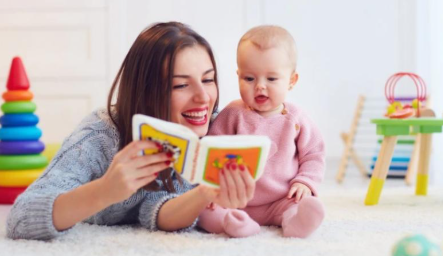
To encourage these skills, engage constantly with your baby through conversation, reading, and interactive play. Talk to them throughout the day, describing everyday activities and surroundings. Read colorful picture books, using expressive tones to capture their attention. Respond to their coos and babbles, reinforcing that communication is a two-way process. These interactions not only strengthen your bond but also promote cognitive development and early language skills, building a strong foundation for future learning.
Cognitive Challenges in Newborns and How to Support Development
Overcoming Early Learning Struggles
Babies grow and develop at their own pace, and slight delays in reaching milestones are usually normal. However, if you observe persistent delays in motor skills, speech, or social interactions, consulting a pediatrician is essential. Early intervention can provide crucial support, helping your baby develop effectively. Regular monitoring, engaging activities, and professional guidance contribute to healthy cognitive, emotional, and physical growth, ensuring your child reaches their full potential.
Activities to Boost Cognitive Growth
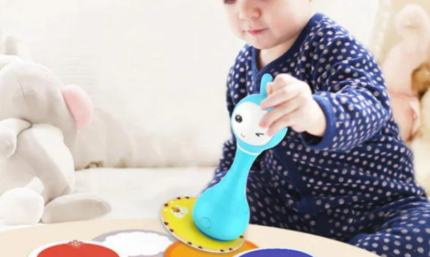
Interactive play is crucial for cognitive development. Activities like peek-a-boo, sound-making or light-up toys, and sensory play with textured objects stimulate curiosity and enhance problem-solving skills. These interactions help infants explore their surroundings, improve coordination, and develop essential cognitive abilities. Engaging playtime fosters learning, encouraging infants to understand their environment and build a strong foundation for future growth.
Conclusion
In their first year, your baby’s cognitive development flourishes with every new milestone. Every smile, laugh, and curious glance signifies growth. Supporting their development with interactive play, constant communication, and a nurturing environment helps them reach these milestones and fosters a love for learning. Remember, every baby grows at their own pace, but if you have concerns about delays, consulting your pediatrician is always a good step. Celebrate these early achievements and enjoy the fascinating journey of watching your baby’s mind grow.
