

A trimeter is a foundational poetic structure, defined as a meter with three metrical feet per line, creating a rhythmic flow that captivates readers. This type of meter, widely used in English literature, shapes the rhythm of a poem through its concise, six-syllable structure.
Whether in iambic trimeter, with its unstressed syllable followed by a stressed syllable, or other forms like trochaic trimeter, this meter used in poetry offers a versatile framework for poets. Its usage spans classical works to modern ballads, making it a cornerstone of poetry that balances brevity and musicality.
What is the Trimeter Definition?
The trimeter definition describes a line of poetry consisting of three metrical feet, typically totaling six syllables. In poetry, a metrical foot is a unit of rhythm, such as an iamb (an unstressed syllable followed by a stressed syllable) or a trochee (a stressed syllable followed by an unstressed syllable).

For example, an iambic trimeter consists of three iambs, creating a da-dum beat repeated three times per line. This structure, often found in English literature, gives poems a steady, predictable rhythm that enhances their musicality.
Trimeter is distinct for its brevity compared to longer meters like pentameter. A poem written in trimeter feels compact yet expressive, making it ideal for verse that conveys emotion or narrative efficiently. According to dictionary definitions, trimeter is a poetic meter defined as a meter with three metrical units, versatile enough to adapt to various poetic forms, from ballads to tragedy.
Types of Trimeter in Poetry
Trimeter encompasses several forms, each defined by the type of metrical foot used. The most common is iambic trimeter, which features three iambic feet—a six-syllable line with an unstressed syllable followed by a stressed syllable (e.g., “I wandered lonely as”). Another form, trochaic trimeter, uses trochees, where the first syllable is stressed, and the second syllable is unstressed, creating a different rhythmic feel. Less common is dactylic trimeter, built on dactyls (one stressed syllable followed by two unstressed syllables).
Each type serves distinct purposes in poetry. The Iambic trimeter mimics natural speech, making it prevalent in English literature, while the trochaic trimeter offers a bolder, more emphatic beat. Understanding these variations helps poets choose the right meter for their poem, ensuring the lines contain the desired emotional or narrative weight.
How Does an Iambic Trimeter Work?
Iambic trimeter is a meter where each line of poetry contains three iambs, totaling six syllables in an unstressed-stressed pattern. For example, in Emily Dickinson’s poem “Because I could not stop for Death,” the first and third lines often follow this meter, creating a gentle, flowing rhythm. The iamb—a syllable followed by a stressed syllable—gives the poem a conversational tone, making it accessible yet profound.
This poetic meter is effective because it balances brevity with expressiveness. A poet using an iambic trimeter can craft a stanza that feels complete yet concise, often pairing it with a consistent rhyme scheme to enhance memorability. Its usage in classical and modern poetry highlights its versatility, from narrative ballads to introspective verse.
Historical Usage of Iambic Trimeter in English Literature
In English literature, iambic trimeter has been a common meter used in various genres, particularly in tragedy and ballads. Ancient Greek poets like Archilochus employed trimeter in classical works, using it to convey intense emotion in tragedy. In English, poets like Robert Herrick used iambic trimeter to create compact, lyrical verse, as seen in his poem “Upon Julia’s Clothes,” where the six-syllable line enhances the rhythmic flow.
During the Romantic era, poets like William Wordsworth and Samuel Taylor Coleridge integrated trimeter into ballads, often alternating iambic tetrameter and iambic trimeter in common meter. This alternate structure, where first and third lines use trimeter and second and fourth lines use tetrameter, creates a sing-song quality, as seen in traditional ballads like “The Rime of the Ancient Mariner.”
Trimeter vs. Pentameter: Key Differences
Trimeter and pentameter are both poetic meters, but they differ in the number of metrical feet per line. Trimeter has three metrical feet, typically six syllables, while pentameter has five, totaling ten syllables. Iambic pentameter, famously used by Shakespeare, offers a longer, more expansive rhythm, ideal for dramatic monologues or sonnets. In contrast, the iambic trimeter feels tighter, making it suited for shorter, more direct verse.
The choice between these meters depends on the poem’s purpose. Pentameter allows for more complex ideas within a single line, while trimeter emphasizes brevity and pace. For example, a poem written in trimeter might convey urgency, while pentameter suits reflective or grandiose themes.
Trimeter vs. Dimeter and Iambic Tetrameter

Dimeter, with two feet per line, is even shorter than trimeter, often creating a stark, abrupt rhythm. For instance, a diameter line might have only four syllables, as seen in some nursery rhymes. Iambic tetrameter, with four iambic feet (eight syllables), feels more expansive than trimeter but less formal than pentameter. It’s often paired with a trimeter in a common meter, where lines are written in an alternate pattern.
To clarify these differences, consider the following comparison:
| Meter | Metrical Feet per Line | Syllables | Common Usage |
| Dimeter | Two feet | 4 | Nursery rhymes, short verse |
| Trimeter | Three metrical feet | 6 | Ballads, lyrical poetry |
| Iambic Tetrameter | Four iambic feet | 8 | Narrative poems, common meter |
| Pentameter | Five feet | 10 | Sonnets, dramatic poetry |
This table highlights how trimeter balances brevity and expressiveness, making it a versatile meter used in various poetic forms.
Classic Examples of Trimeter in Poetry
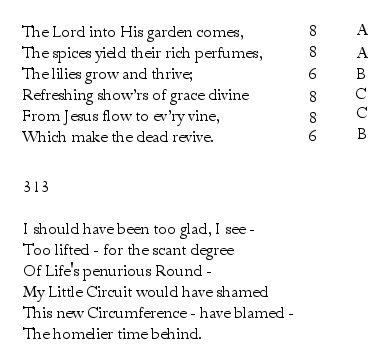
Classic examples of trimates include works by Emily Dickinson, whose poems often use iambic trimates in first and third lines of a stanza. In “I heard a Fly buzz – when I died,” the six-syllable lines contain a steady da-dum rhythm, creating a haunting effect. Similarly, Robert Frost’s “Stopping by Woods on a Snowy Evening” employs an iambic trimeter in parts, enhancing its reflective tone.
These poems demonstrate how a trimeter creates a compact yet impactful rhythm. The three metrical units allow poets to convey deep emotions or vivid imagery without overwhelming the reader, making trimmer a powerful tool in literary poetry.
Modern Examples of Trimeter and Its Usage
Modern poets continue to use the trimeter for its versatility. For instance, contemporary ballads often employ a common meter, alternating iambic tetrameter and iambic trimeter. This structure, where lines are written with six syllables in a trimeter, creates a familiar, song-like quality. Poets like Seamus Heaney have used trimates to evoke traditional forms while addressing modern themes.
The example of the iambic trimeter in modern poetry shows its adaptability. Whether in free verse or structured stanzas, trimeter maintains a rhythmic flow that resonates with readers, proving its enduring relevance in English literature.
How to Craft a Poem in Iambic Trimeter
Writing a poem in iambic trimeter requires attention to syllable count and stress patterns. Start by planning a stanza with three iambs per line, ensuring each line has six syllables in an unstressed-stressed pattern. For example, “The moon ascends with grace” follows this meter, with stress on “moon,” “-scends,” and “grace.”
To maintain a consistent rhyme scheme, consider rhyming second and fourth lines in a stanza, as in common meter. Practice reading the poem aloud to ensure the da-dum rhythm feels natural. Tools like a dictionary can help verify syllable counts and stress patterns, ensuring accuracy.
Common Challenges in Writing Trimeter
One challenge in writing a trimeter is maintaining the iambic meter without forcing unnatural phrasing. Poets may struggle to fit ideas into six-syllable lines, leading to awkward word choices. To overcome this, focus on simple, vivid language that aligns with the da-dum beat. For example, instead of “The large mountain only stands,” revise to “The hill stands tall and firm.”

Another issue is balancing rhythm with meaning. If the poem is written too rigidly, it may sound mechanical. Reading classic examples of trimeter can inspire solutions, helping poets craft verse that feels both structured and expressive.
Why Poets Choose Trimeter for Rhythmic Appeal
Trimeter is a poetic form that appeals to poets for its concise, musical quality. The three metrical feet create a rhythm that feels brisk yet controlled, ideal for ballads or narrative poetry. Its six-syllable line allows poets to convey complex ideas in a compact form, making it accessible to readers.
In the common meter, the trimeter alternates with the iambic tetrameter, creating a dynamic rhythmic flow. This alternate structure, seen in hymns and ballads, makes poems memorable and easy to recite, enhancing their emotional impact.
Trimeter in Common Meter and Stanzas
Common meter is a poetic structure where first and third lines are written in trimeter, and second and fourth lines use iambic tetrameter. This alternate meter creates a sing-song rhythm, as seen in Emily Dickinson’s poems or traditional ballads. For example, in “Amazing Grace,” the six-syllable trimeter lines pair with eight-syllable tetrameter lines, forming a balanced stanza.
This meter used in poetry is effective because it mimics natural speech while maintaining structure. The three metrical units in the trimeter provide a concise foundation, allowing poets to craft stanzas that resonate with readers.
FAQs About Trimeter in Poetry
What is the trimeter definition?
Trimeter is a poetic meter with three metrical feet per line, typically six syllables, used in poetry to create a concise rhythm.
How does iambic trimeter differ from pentameter?
The Iambic trimeter has three iambs (six syllables), while the pentameter has five (ten syllables), making the trimeter shorter and more direct.
What is an example of an iambic trimeter?
In Emily Dickinson’s “Because I could not stop for Death,” the first and third lines often use the iambic trimeter, like “Because I could not stop.”
Can a trimeter be used in modern poetry?
Yes, modern poets use trimates in ballads and free verse, leveraging its rhythmic flow for contemporary themes.
What is a trochaic trimeter?
Trochaic trimeter uses trochees (stressed-unstressed syllables) in three metrical feet, creating a bold, emphatic rhythm.
How do you write a poem in a trimeter?
Count six syllables per line, ensure three iambs (unstressed-stressed), and maintain a consistent rhyme scheme for flow.
Why is trimeter popular in ballads?
Trimeter’s six-syllable lines create a concise, sing-song rhythm, making ballads memorable and emotionally engaging.
Conclusion on Trimeter
Trimeter remains a vital meter in poetry, offering poets a concise yet expressive framework to craft verse. Its three metrical feet create a rhythmic flow that suits various forms, from classical tragedy to modern ballads.
Whether used in iambic trimeter, trochaic trimeter, or as part of common meter, this poetic structure balances brevity with emotional depth. By mastering syllable counts and stress patterns, poets can create poems that resonate with readers, proving Trimmer’s timeless appeal in English literature.
- Key Takeaways:
- Trimeter is a meter with three metrical feet, typically six syllables, ideal for concise poetry.
- The Iambic trimeter uses three iambs, creating a da-dum rhythm seen in ballads and stanzas.
- Alternating with the iambic tetrameter in the common meter, the trimeter enhances rhythmic flow.
- Classic and modern examples of the trimeter highlight its versatility in English literature.
- Writing a trimeter requires attention to syllable count and stress for natural, impactful verse.
