


Example for fiction is one of the most effective ways to understand how storytelling transforms imagination into compelling narratives. Fiction refers to narratives invented by the author, often blending imagination with elements of reality. It can be inspired by true events or entirely fabricated, allowing limitless creative freedom.
Across centuries, fiction has taken many forms—novels, short stories, plays, films—each reflecting different cultures, periods, and artistic visions. By examining types of fiction, we can see how genres shape style and purpose.
From historical fiction examples that bring the past to life, to science fiction examples that explore the future, fiction helps us understand human emotions, societal challenges, and philosophical questions.
Types of Fiction
The types of fiction are as diverse as the readers who enjoy them. Fiction can be classified in several ways, but one common approach is separating literary fiction from genre fiction.
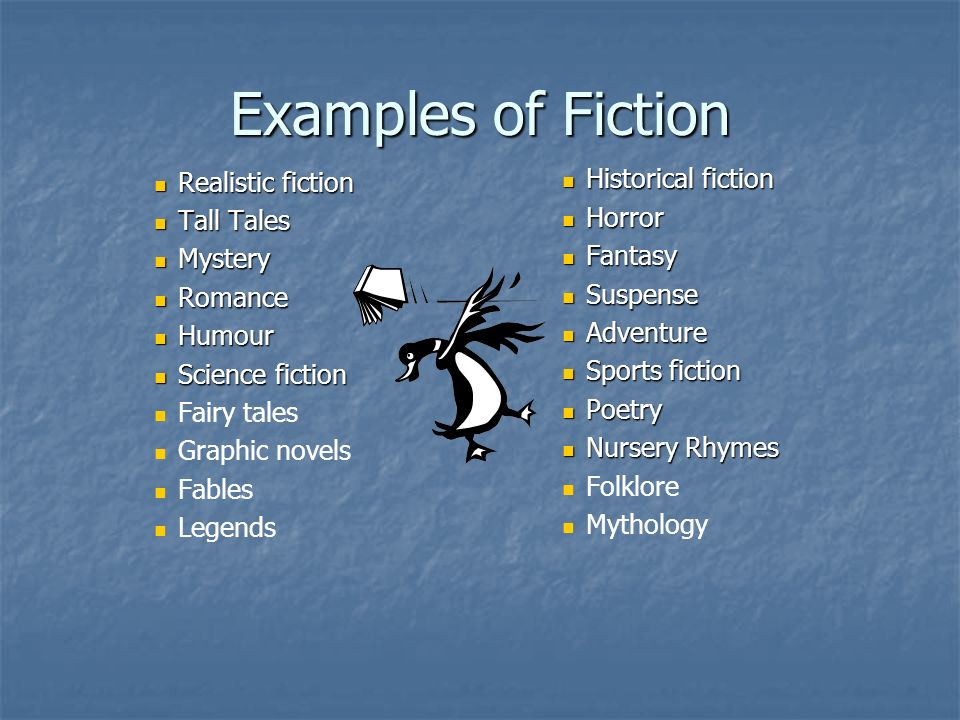
Literary fiction focuses on deep character development, psychological realism, and thematic depth. It often explores social, political, or existential issues and is valued for artistic merit.
Genre fiction follows more defined conventions and caters to audience expectations. Main genres include:
- Historical fiction examples – blending real historical events with invented characters.
- Science fiction examples – futuristic settings, advanced technology, space exploration.
- Fantasy – magical elements, mythical creatures, and fictional worlds.
- Romance – love stories and relationship-centered plots.
- Mystery/Thriller – crime-solving, suspense, and twists.
- Horror – designed to evoke fear or suspense.
Key point: Many works combine genres, such as romantic fantasy or science fiction thrillers. This flexibility keeps fiction fresh and innovative.
Fiction Examples in Literature
Fiction examples in literature showcase how different eras and cultures shape storytelling. From ancient myths to contemporary novels, fiction reflects human imagination and societal values.
Classical examples include The Iliad and The Odyssey, which mix historical events with legendary embellishments. Shakespeare’s plays, such as Hamlet and A Midsummer Night’s Dream, combine drama, poetry, and fantasy.
Modern examples highlight diverse voices and perspectives. Novels like Beloved by Toni Morrison use historical fiction examples to explore trauma and memory, while 1984 by George Orwell presents dystopian political fiction.
Fiction in literature is not only entertainment—it is a mirror of human experience. It can challenge readers’ perspectives, inspire empathy, and preserve cultural history.
Examples of Fiction Books

When looking for examples of fiction books, both classics and contemporary works offer valuable insight.
Classic examples:
- Pride and Prejudice by Jane Austen – romance, social commentary.
- Moby-Dick by Herman Melville – adventure, obsession, symbolism.
- Crime and Punishment by Fyodor Dostoevsky – psychological and moral exploration.
Modern examples:
- The Kite Runner by Khaled Hosseini – friendship, betrayal, political change.
- The Hunger Games series by Suzanne Collins – dystopian survival.
- Life of Pi by Yann Martel – adventure with philosophical themes.
Popular fiction examples often gain global readership and inspire adaptations. These books connect with audiences through relatable themes, engaging plots, and memorable characters.
Fiction vs Nonfiction Examples
Understanding fiction vs nonfiction examples helps readers choose the right material and interpret it correctly.
| Feature | Fiction | Nonfiction |
| Basis | Invented or imagined | Factual and researched |
| Purpose | Entertain, inspire, explore themes | Inform, document, persuade |
| Example | Harry Potter | Biography of Nelson Mandela |
| Flexibility | Creative freedom | Bound to evidence and accuracy |
Fiction can be based on real events but remains classified as fiction if the story includes invented details or altered facts. Nonfiction includes history books, memoirs, journalism, and academic writing. Both forms are valuable—fiction expands the imagination, while nonfiction deepens factual understanding.
Examples of Short Fiction Stories
Examples of short fiction stories prove that powerful narratives can be told in limited words.
Famous examples:
- The Lottery by Shirley Jackson – shocking social commentary.
- The Tell-Tale Heart by Edgar Allan Poe – psychological horror.
- Harrison Bergeron by Kurt Vonnegut – satire on equality.
Short stories focus on a single theme or event, allowing authors to create intensity without lengthy exposition. They are often used to experiment with style and narrative voice.
Modern Fiction Examples
Modern fiction examples reflect contemporary life, addressing issues such as technology, identity, and global culture.
Notable works include:
- Normal People by Sally Rooney – relationships in the digital age.
- The Martian by Andy Weir – survival and humor in space.
- A Man Called Ove by Fredrik Backman – community and personal redemption.
Modern fiction is diverse, embracing multicultural authorship and hybrid genres. It adapts to new formats like e-books and audiobooks, reaching audiences worldwide.
Popular Fiction Examples
Popular fiction examples dominate bestseller charts and cultural conversations.
Examples include:
- Harry Potter series – fantasy and coming-of-age themes.
- Twilight Saga – romance and supernatural elements.
- A Song of Ice and Fire – epic fantasy with political intrigue.
Popular fiction often leads to film adaptations, merchandise, and fan communities. While sometimes criticized for prioritizing entertainment, it plays a vital role in promoting reading culture.
Examples of Fiction in Movies
Examples of fiction in movies demonstrate how storytelling works visually.
Some original films, like Inception, are entirely fictional concepts. Others adapt books, such as The Lord of the Rings or The Fault in Our Stars. Fictional films can explore any genre—romance, fantasy, thriller, or science fiction.
Movies enhance fictional narratives with visuals, music, and performance, creating immersive experiences. They allow audiences to engage with fictional worlds in a different sensory way than reading.
Historical Fiction Examples
Historical fiction examples merge real-world history with imagined characters or events.
Examples:
- War and Peace by Leo Tolstoy – Napoleonic Wars with fictional families.
- All the Light We Cannot See by Anthony Doerr – WWII with intersecting fictional lives.
- The Book Thief by Markus Zusak – Nazi Germany through a child’s eyes.
Historical fiction educates while entertaining, helping readers connect emotionally with historical events. Accuracy in setting and context is key, even when the main story is invented.
Science Fiction Examples
Science fiction examples explore futuristic ideas and scientific possibilities.
Classics include:
- Dune by Frank Herbert – political and ecological themes.
- 1984 by George Orwell – dystopian control and surveillance.
- Neuromancer by William Gibson – cyberpunk innovation.
In film, examples like Blade Runner and Interstellar use visuals to explore philosophical questions. Science fiction is both speculative and reflective, often predicting or warning about technological changes.
FAQs about Example for Fiction
What is fiction?
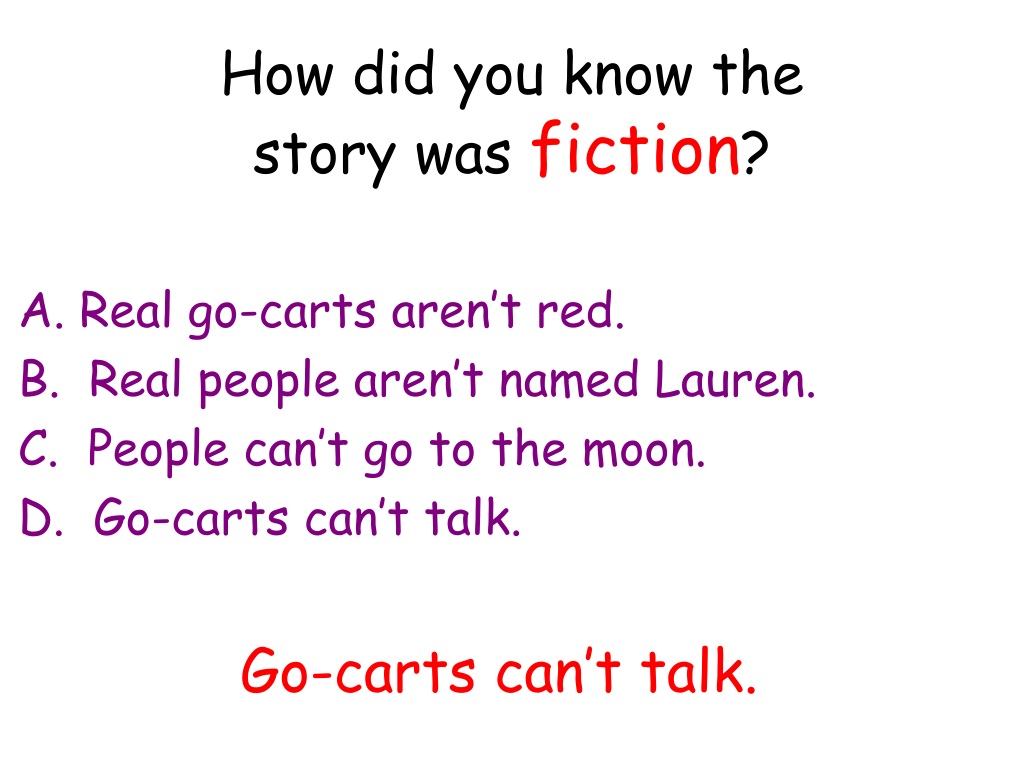
Fiction is a narrative created from imagination, not strictly factual events.
What are the main types of fiction?
They include literary fiction, romance, fantasy, science fiction, historical fiction, mystery, and horror.
Can fiction be inspired by real events?
Yes, but if it alters facts or adds imaginary details, it remains fiction.
What makes short fiction powerful?
Its brevity forces focus on one theme, creating intense impact.
How does fiction differ from nonfiction?
Fiction is imaginative; nonfiction is factual and evidence-based.
Why is popular fiction important?
It connects with large audiences and encourages reading habits.
Can movies be fiction?
Yes, many films are fictional, either as original scripts or book adaptations.
Conclusion of Example for Fiction
The world of fiction is vast and ever-evolving, encompassing historical fiction examples, science fiction examples, and everything in between. Whether found in examples of fiction books, short stories, or films, fiction inspires, challenges, and entertains.
Its many types of fiction allow writers to explore limitless themes, and its distinction from nonfiction ensures that creative storytelling continues to thrive. By engaging with fiction examples in literature and modern fiction examples, readers can broaden their perspectives while enjoying narratives that connect emotionally and intellectually. Fiction remains one of humanity’s most enduring and impactful art forms, capable of shaping thought and culture for generations.
