

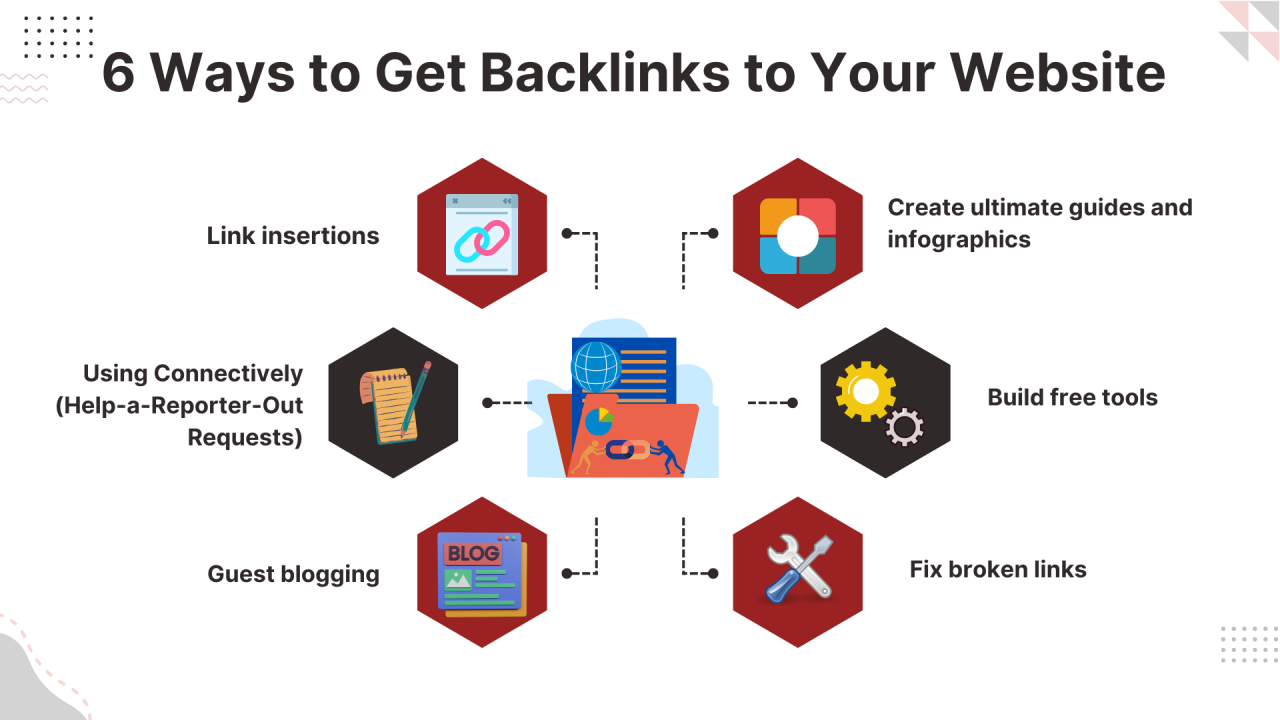
A strong backlink profile is one of the most effective ways to improve your website’s visibility and authority in search engines. But for many marketers and business owners, building links doesn’t always translate to better rankings—or at least not quickly. The key lies in strategy. Knowing where to get links, how to evaluate them, and how to track performance is essential to making link building worth the investment. In this article, we’ll walk through how to refine your backlink strategy so you can see real, measurable improvement. Whether you’re starting from scratch or revisiting an existing approach, having a clear process for evaluating links, setting goals, and adapting to performance data can make all the difference. With the right structure, backlinks can become a reliable asset that drives consistent growth across your digital presence.
Understand the Value of Each Link
Not every backlink holds the same weight. Search engines prioritize quality over quantity, so getting a few authoritative, relevant links can outperform hundreds of low-value ones. Focus on backlinks from sites that are trusted, relevant to your niche, and have strong domain authority. Avoid shady practices like buying bulk links or relying on spammy directories. Instead, build relationships with credible sources, pitch valuable content, and earn links that actually help your rankings.
Set Clear, Measurable Goals
To get results from your backlink strategy, you need to define what success looks like. Are you trying to rank a specific page? Increase your domain authority? Drive referral traffic? Each goal may require a slightly different approach to link acquisition. For example, if you’re targeting a product page, the links should be closely tied to that topic and placed within relevant content. Setting specific KPIs also helps you determine if you’re making progress—or if it’s time to shift gears.
Balance Quantity with Quality
One of the most common SEO questions is, how many backlinks do I need to see real improvement? The answer isn’t simple because it depends on your competition, industry, and current authority. If your top competitors have hundreds of backlinks, you’ll need to close that gap—but not blindly. Prioritize link-building opportunities that align with your content strategy and provide real value. Focus on acquiring a healthy mix of authoritative links across different domains rather than chasing numbers. Keep in mind that some links may take time to show impact—especially if they are on newly published pages—so allow space for results to develop over several weeks or months. It’s also helpful to benchmark your competitors’ backlink profiles to understand how your efforts stack up against theirs.
Focus on Link Diversity and Relevance
Search engines love a natural-looking backlink profile. This means links should come from a variety of sources—blogs, news sites, forums, and more—with diverse anchor text and surrounding content. Getting all your links from one type of site or using the same keyword repeatedly can trigger red flags. Relevance also plays a major role. A backlink from a high-authority site in a completely unrelated industry won’t be nearly as helpful as one from a moderately authoritative site in your niche. The more contextually aligned your links are, the more weight they’ll carry in helping you rank.
Track Performance and Refine Regularly
Even the best backlink strategy needs regular evaluation. Use tools like Ahrefs, SEMrush, or Google Search Console to track new links, check referring domains, and monitor keyword movement. If you notice that certain types of links or sources are consistently improving rankings, double down on those efforts. Likewise, disavow or clean up low-quality backlinks that may be hurting your site. Continual refinement is the difference between short-lived SEO gains and long-term growth.
Leverage Content that Attracts Links Naturally
The best backlinks often come to you—not the other way around. High-performing content like in-depth guides, original research, and interactive tools are more likely to be cited by other websites. Investing in content that solves problems or answers common questions in your industry creates opportunities for organic links. Promote this content through outreach, social sharing, and collaborations with others in your space. As your content earns credibility, your backlink profile will grow more organically.
Build with Purpose
Getting results from your backlink strategy requires more than just effort—it requires intention. Focus on earning links that add value, come from relevant sources, and support your broader SEO goals. Avoid shortcuts, and invest in a strategy that evolves with your website’s needs. You might still wonder how many backlinks do I need, but remember: it’s not just about numbers—it’s about impact. With a strategic, measured approach, your backlinks can become one of your most valuable SEO assets. Stay proactive, adapt your tactics based on performance data, and never lose sight of the fact that link building is about building credibility—both with search engines and real users. When executed properly, backlinks are more than just an SEO tool—they’re a trust signal that opens the door to long-term growth.
