

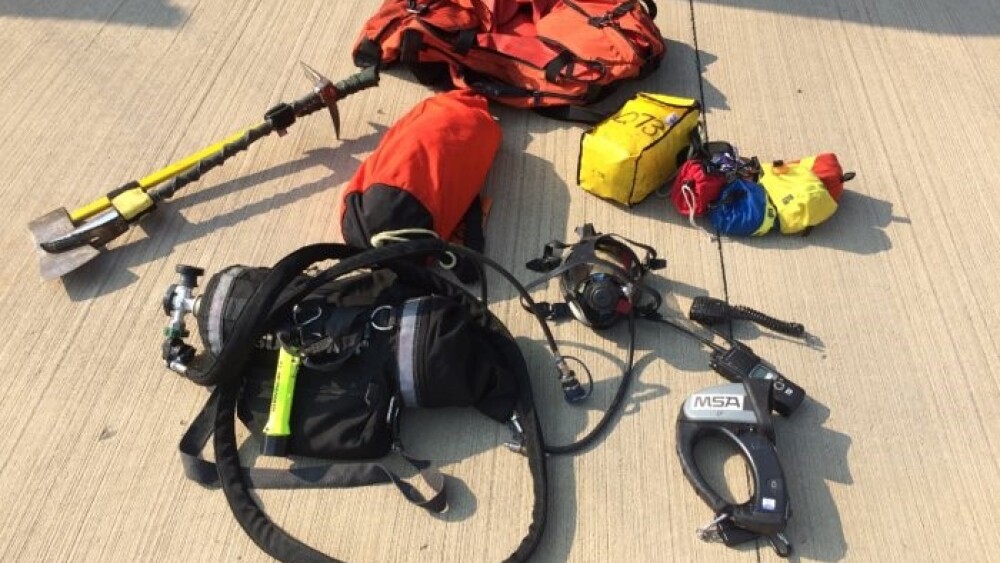
When disaster strikes, every second counts. Ensuring rescue teams are equipped to deploy rapidly can save lives and significantly improve outcomes during emergencies. From having the right tools to streamlining operational procedures, preparation is everything. This guide explores the critical components every rescue team needs to maximize efficiency and effectiveness in dynamic, high-pressure situations.
1. Create a Comprehensive Gear Checklist
One of the first steps to ensuring rapid deployment is maintaining a well-rounded gear checklist. A checklist helps teams identify the essential equipment needed for various emergency scenarios, whether dealing with natural disasters, industrial incidents, or vehicular accidents.
Recommended Items on Your Checklist:
- First-aid kits equipped for both minor and severe injuries. Include tourniquets, trauma bandages, and splints.
- Personal protective gear like helmets, gloves, and eye protection to safeguard responders.
- Communication devices such as handheld radios or satellite phones to maintain clear communication.
- Tools such as bolt cutters, rescue sleds, and portable light sources to aid in overcoming physical barriers and navigating dark or confined spaces.
By evolving this checklist based on lessons learned from past deployments, rescue teams can stay agile and ready for diverse emergencies.
2. Invest in Specialized Tools for Heavy-Duty Operations
Having access to specialized tools is vital for more complex rescue missions involving structural collapses or vehicle extractions. For example, fire rescue air bags are highly effective in lifting heavy objects like debris, vehicles, or industrial machinery to free trapped victims.
Other tools to consider:
- Hydraulic cutters and spreaders for extricating individuals from vehicles following collisions.
- Stabilization devices to support compromised structures during urban search and rescue (USAR) operations.
- Portable cutting torches for metal obstructions.
Investing in robust tools will enable rescue teams to handle high-risk scenarios, ensuring safety for both emergency personnel and those being rescued.
3. Prioritize Training and Simulations
Even the best equipment is ineffective without skilled operators. Regular training sessions and real-world simulations ensure rescue teams stay prepared.
Key Training Areas:
- Scenario simulations to practice real-life situational responses, such as collapsed buildings or flood rescues.
- Equipment mastery to ensure personnel can effectively use tools like fire rescue air bags under pressure.
- Coordination exercises to streamline teamwork and communication during high-stress scenarios.
According to a study by FEMA, rescue teams that engage in biannual training exercises are 25% more effective in their response compared to those that don’t maintain regular preparedness drills. Investing in education ensures every individual is competent and confident in their role when deployed.
4. Establish a Clear Chain of Command
Confusion and inefficiency during an emergency often stem from unstructured leadership. A clear chain of command minimizes overlaps in decision-making and ensures every team member understands their specific role.
Best Practices for Command Structures:
- Designate key personnel responsible for logistics, safety, and coordination.
- Utilize incident command systems (ICS) for structured reporting and planning.
- Implement briefing protocols before deployment to align the team on objectives and procedures.
By fostering disciplined leadership and accountability, rescue operations can maintain focus and accomplish missions more effectively.
Conclusion
Equipping a rescue team for rapid deployment requires a balance of preparation, specialized tools, regular training, and leadership. The right approach not only saves time but also ensures safer, more efficient emergency responses.
