


Is imagery figurative language? This is a question many learners of literature often ask. Imagery is the use of descriptive words that engage the reader’s senses and create vivid mental pictures. It appeals to sight, sound, taste, touch, and smell, making writing come alive.
Figurative language, however, goes beyond literal meaning with tools like metaphors, similes, and personification. Imagery often overlaps with these techniques, but it isn’t always figurative.
For example, describing “the red apple on the wooden table” is imagery but not figurative. On the other hand, calling the apple “a ruby treasure” uses figurative language to enhance imagery. So, imagery is broader, sometimes literal and sometimes figurative, but always powerful.
Is Imagery Figurative Language in Literature and Writing
While imagery can sometimes rely on figurative language to create vivid pictures, it is not limited to it.
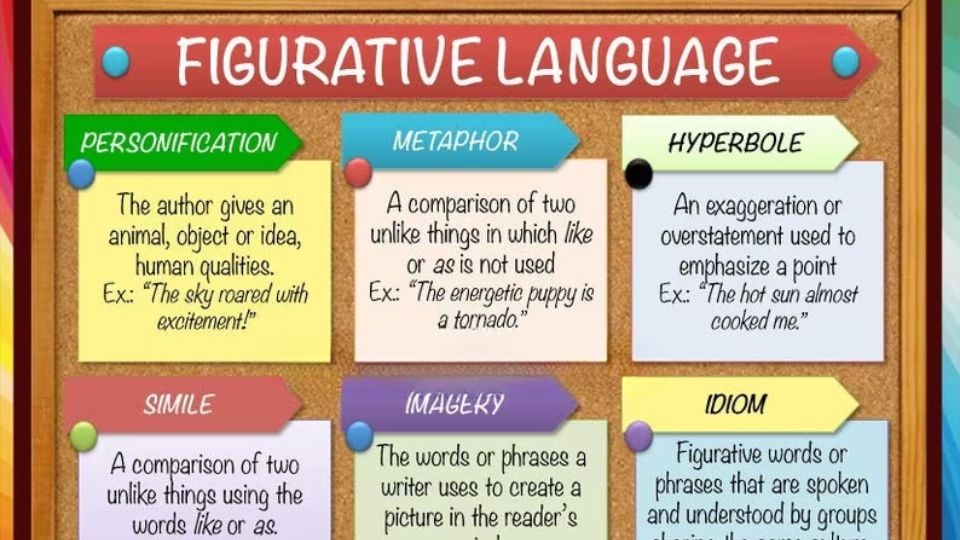
Writers can use literal imagery, such as describing a sunset’s colors, or figurative imagery, like comparing the sky to a painted canvas. Therefore, imagery is broader, often overlapping with figurative language but also standing independently in literature.
Understanding Imagery as a Literary Device
What Is the Definition of Imagery?
The definition of imagery centers on language that uses sensory details to create mental imagery. Imagery is a literary device that evokes sights, sounds, smells, tastes, or tactile sensations, making abstract concepts tangible. For instance, describing a forest as “emerald leaves whispering in the breeze” engages the sense of sight and sound, grounding readers in the scene.
Imagery involves crafting visual images or other sensory impressions to convey meaning beyond words. The imagery definition emphasizes its role in making stories relatable, as it mirrors how humans perceive the world. Writers argue that imagery is essential for emotional engagement, as it allows imagery to resonate deeply.
How Imagery Differs from Literal Language
Unlike literal language, which conveys the literal meaning of the words, imagery often employs figurative language to add depth. Literal imagery describes exactly what is seen, like “the tree is tall,” while figurative language might compare it to a giant, as in “the tree loomed like a sentinel.” This distinction highlights how literal and figurative imagery work together to enrich narratives.
Literal descriptions provide clarity, but imagery elevates them by appealing to emotions. For example, literal language might state a room is cold, whereas imagery could describe it as “frost biting at fingertips,” creating a visceral effect.
The Role of Figurative Language in Creating Imagery
Figurative language refers to language that deviates from literal meanings to evoke richer meaning. Imagery and figurative techniques, like metaphor and simile, are intertwined, as they use figurative language to craft vivid scenes. A metaphor might describe love as “a wildfire,” while a simile compares it to “a flame as fierce as the sun.”
Figurative language to create imagery enhances storytelling by making abstract ideas concrete. This use of figurative language ensures imagery appeals to readers’ senses, forging emotional connections.
Types of Imagery in Literature

Exploring Visual Imagery and the Sense of Sight
Visual imagery is the most common type of imagery, appealing to the sense of sight to create vivid pictures. It’s used to describe settings, characters, or emotions, such as “the crimson sunset bled across the horizon.” This type of figurative language dominates poetry and prose, grounding readers visually.
Visual imagery helps readers visualize scenes with clarity, making stories immersive. For instance, in vivid descriptions of landscapes, writers use imagery to transport audiences directly into the narrative world.
Auditory, Olfactory, Gustatory, and Tactile Imagery
Beyond visual imagery, other types of imagery engage different senses. Auditory imagery evokes sound, like “the distant howl of a wolf piercing the silence.” Olfactory imagery captures smells, such as “the sharp tang of pine needles.” Gustatory imagery conveys taste, like “the bitter sting of unripe berries.” Tactile imagery describes touch, as in “the rough bark scraping against palms.”
These different types of imagery create a multi-sensory experience, enriching narratives. Imagery includes these sensory details to make stories feel lifelike, as each type of imagery contributes uniquely to the reader’s perception.
Kinesthetic and Organic Imagery: Movement and Emotion
Kinesthetic imagery depicts movement or physical action, such as “muscles straining as she climbed the steep ridge.” This imagery is used to describe dynamic scenes, making readers feel the effort. Organic imagery, conversely, focuses on internal sensations or emotions, like “a heart pounding with dread.”
Both types of imagery deepen emotional resonance, allowing readers to connect physically and psychologically with characters. Imagery can also evoke empathy by mirroring human experiences.
Symbolism as a Type of Figurative Language
Symbolism, a type of figurative language, uses objects or images to represent abstract ideas, enhancing imagery. For example, a dove symbolizing peace adds layers to descriptive language. Symbolism often works with imagery to convey complex meanings beyond the literal.
This form of figurative language amplifies narratives, as symbols like a storm might represent turmoil. Imagery and figurative techniques thus intertwine to create lasting impressions.
| Type of Imagery | Sensory Focus | Example | Effect on Reader |
| Visual Imagery | Sight | “Golden fields swayed under a blazing sky” | Creates vivid mental pictures |
| Auditory Imagery | Sound | “Crickets chirped in rhythmic harmony” | Evokes soundscapes |
| Olfactory Imagery | Smell | “Freshly baked bread wafted through the air” | Triggers sensory memory |
| Gustatory Imagery | Taste | “The tartness of green apples lingered” | Engages taste sensations |
| Tactile Imagery | Touch | “Velvet petals brushed against her skin” | Conveys physical texture |
| Kinesthetic Imagery | Movement | “His legs churned through the muddy trail” | Depicts dynamic action |
| Organic Imagery | Emotion | “A wave of nausea gripped her chest” | Reflects internal states |
This table summarizes the main types of imagery, showcasing their diversity and impact.
Figurative Language: Enhancing Meaning Beyond the Literal
Common Types of Figurative Language: Metaphor and Simile
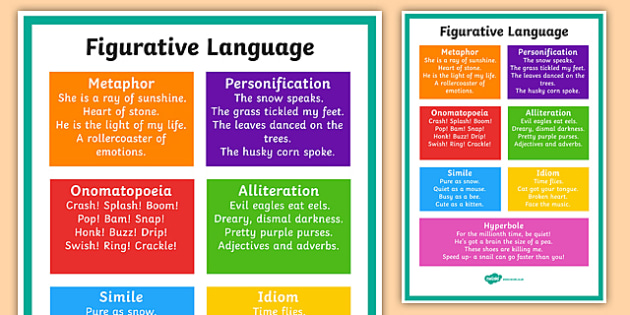
Figurative language includes figures of speech like metaphor and simile, which are foundational to imagery. A metaphor equates two unlike things, such as “time is a thief,” while a simile uses “like” or “as,” as in “her smile was like sunshine.” Both are common types of figurative language that enhance meaning.
These figures of speech that involve comparisons make abstract concepts tangible. Figurative language often pairs with imagery to create memorable expressions that resonate emotionally.
Other Figures of Speech That Involve Imagery
Beyond metaphor and simile, other figures of speech like onomatopoeia and personification contribute to imagery. Examples of onomatopoeia include words like “buzz” or “crash,” mimicking sounds to create auditory imagery. Personification, attributing human traits to objects, enhances imagery by making scenes relatable.
These different figures of speech expand the use of imagery, allowing writers to craft multi-dimensional narratives that appeal to varied senses.
Figurative Language in Everyday Speech
Figurative language isn’t confined to literature; it permeates everyday speech. Phrases like “raining cats and dogs” or “heart of gold” are common examples of figurative language to create vivid expressions. These enhance communication by adding color and emotion.
In everyday speech, figurative language simplifies complex ideas, making conversations engaging. Its overlap with imagery ensures even casual language evokes sensory responses.
Examples of Imagery and Figurative Language in Literature
Classic Imagery Examples from Literary Works
Examples of imagery in literary work include Charlotte Brontë’s description in Jane Eyre: “The wind roared like a lion through the moors,” combining auditory imagery with a simile. Such imagery examples make settings palpable.
Another example of imagery is F. Scott Fitzgerald’s The Great Gatsby, where “the green light glowed at the dock’s end” uses visual imagery and symbolism to represent longing. These common examples highlight imagery’s power.
Figurative Language Examples Across Genres
Figurative language examples span genres. In poetry, Emily Dickinson’s “Hope is the thing with feathers” uses a metaphor to personify hope. In prose, Toni Morrison’s Beloved employs tactile imagery: “The air was heavy with the scent of loss.”
These figurative language examples show how writers use imagery to evoke emotions across diverse narratives, from novels to poems.
How Writers Use Imagery to Create Vivid Scenes
Writers use imagery to craft scenes that linger in readers’ minds. For instance, Ernest Hemingway’s sparse yet evocative descriptions, like “the river flowed swiftly under the stars,” use visual imagery to set moods. Imagery is often subtle but impactful.
Imagery helps authors create vivid imagery by focusing on sensory details, ensuring readers feel immersed. This use of imagery transforms stories into sensory experiences.
The Role of Imagery in Literary and Rhetorical Devices
Why Imagery Is a Key Literary Device
Imagery is a literary device that bridges the gap between text and experience. By appealing to senses, imagery allows readers to visualize and feel narratives, making them memorable. Imagery is also versatile, fitting all genres.
Its role as a literary device used to convey meaning ensures it remains indispensable. Imagery often shapes readers’ emotional responses, enhancing narrative depth.
Imagery and Figurative Language in Rhetorical Contexts
In rhetorical and literary contexts, imagery serves as a rhetorical device to persuade. Martin Luther King Jr.’s “I Have a Dream” speech uses visual imagery like “swelter in the heat of injustice” to inspire action. Figurative language to add emotional weight amplifies impact.
Imagery involves crafting persuasive images, making speeches or essays compelling. This use of language drives home arguments effectively.
How Imagery Enhances Meaning in Every Literary Work
Imagery enriches every literary work by adding layers of meaning. Whether through descriptive language that appeals to senses or symbolism, it conveys themes subtly. For example, Shakespeare’s use of storms in King Lear reflects chaos, blending imagery and figurative elements.
Imagery can also be used to reinforce motifs, ensuring meaning that is different from the literal resonates with audiences.
Writing Imagery: Tips for Authors
How to Use Imagery to Describe Effectively
To use imagery effectively, writers should focus on specific sensory details. For instance, instead of “the room was hot,” try “sweat clung to skin in the stifling attic.” Describing imagery with precision enhances immersion.
Authors should use descriptive language sparingly to avoid overwhelming readers. Imagery is used to describe scenes vividly without sacrificing narrative flow.
Using Figurative Language to Add Depth
Using figurative language to add depth involves strategic metaphors and similes. For example, describing grief as “a shadow trailing every step” adds emotional weight. Writers should balance figurative language with clarity.
Adding imagery through figures of speech ensures narratives resonate. Figurative language resources like style guides can help refine this skill.
Figurative Language Resources for Writers
Figurative language resources include books like The Elements of Style or online thesauruses for vivid synonyms. Workshops on writing imagery also provide practical exercises. These tools help writers master imagery in writing.
By studying imagery examples, authors can learn to create imagery that captivates, ensuring their work stands out.
- Imagery is a literary device that evokes sensory experiences, enhancing immersion.
- Figurative language like metaphor and simile adds depth to meaning.
- Types of imagery include visual, auditory, olfactory, gustatory, tactile, kinesthetic, and organic.
- Symbolism enriches imagery by conveying abstract ideas.
- Writers use imagery to create vivid, relatable scenes across genres.
- Figurative language resources aid authors in mastering descriptive language.
- Imagery in literature remains vital for emotional and thematic resonance.
FAQs About Is Imagery Figurative Language
What is imagery in literature?
Imagery in literature uses descriptive language to evoke sensory experiences, appealing to sight, sound, smell, taste, or touch, enhancing meaning and immersion in narratives.
How does figurative language differ from literal language?
Figurative language conveys meaning beyond the literal, using metaphors or similes, while literal language describes exactly what is meant, like “the sky is blue.”
What are the main types of imagery?
The main types include visual imagery, auditory imagery, olfactory imagery, gustatory imagery, tactile imagery, kinesthetic imagery, and organic imagery, each targeting a specific sense.
What is an example of a metaphor?
A metaphor example is “life is a journey,” equating two unlike concepts to convey deeper meaning without using “like” or “as.”
How do writers use similes in imagery?
Writers use similes like “her laughter was like bells” to create vivid imagery, comparing elements to enhance sensory and emotional impact.
What role does symbolism play in imagery?
Symbolism, a type of figurative language, uses objects to represent ideas, enriching imagery by adding thematic depth, like a rose symbolizing love.
Why is imagery important in writing?
Imagery enhances storytelling by creating mental imagery, making scenes vivid and emotionally resonant, engaging readers across every literary work.
Conclusion on Is Imagery Figurative Language
Imagery and figurative language are indispensable tools in literature and art, transforming words into sensory experiences that captivate and resonate. From visual imagery painting scenes to organic imagery conveying emotions, these literary devices deepen meaning and engagement.
By blending metaphors, similes, and symbolism, writers craft narratives that mirror reality while transcending the literal.
Whether in classic literary works or everyday speech, imagery bridges the gap between text and experience, ensuring stories linger in readers’ minds. As authors continue to use imagery and figurative language, they uphold a timeless tradition of storytelling that connects us to the human experience.
